DT-109 reverses MASH in primates by repairing the gut
The 30-Second Skim
- What happened: An experimental drug called DT-109 reversed severe fatty liver disease (MASH) in animal studies by repairing the intestinal barrier, reducing ammonia-producing gut bacteria and preventing inflammatory microbial products from reaching the liver.
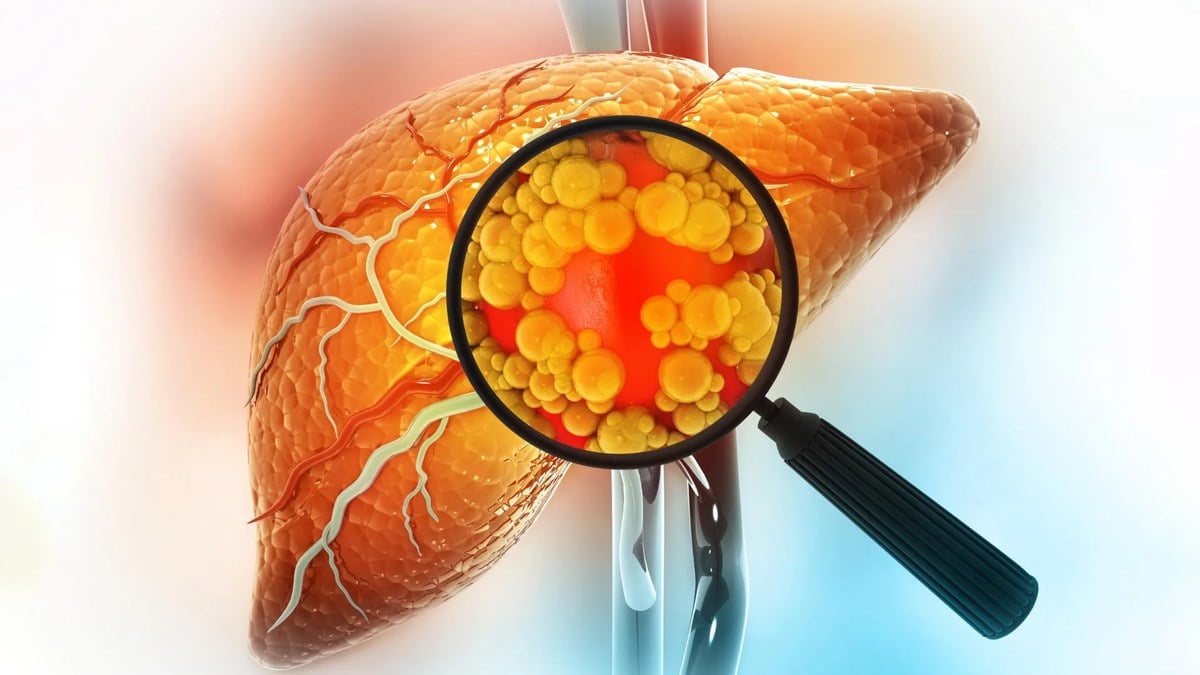
- Key facts & numbers: DT-109 reversed severe MASH in mice and nonhuman primates by reducing overgrowth of the bacterium Clostridium perfringens and lowering gut ammonia, restoring the intestinal barrier that normally keeps harmful microbial products out of the bloodstream. The nonhuman primate results were particularly encouraging — DT-109 significantly reduced liver inflammation and improved MASH severity in animals whose gut biology more closely resembles that of humans. MASH affects approximately 7% of people worldwide and can progress to cirrhosis, liver cancer, and liver failure, yet effective treatment options remain limited.
- What happens next: Buried detail: DT-109 also previously cut atherosclerosis plaques in primates. One gut drug, two organs.
- DT-109 reversed severe MASH in mice and nonhuman primates by reducing overgrowth of the bacterium Clostridium perfringens and lowering gut ammonia, restoring the intestinal barrier that normally keeps harmful microbial products out of the bloodstream.
- The nonhuman primate results were particularly encouraging — DT-109 significantly reduced liver inflammation and improved MASH severity in animals whose gut biology more closely resembles that of humans.
- MASH affects approximately 7% of people worldwide and can progress to cirrhosis, liver cancer, and liver failure, yet effective treatment options remain limited.
- The study, published in The Journal of Clinical Investigation, traced the disease pathway to ammonia from Clostridium perfringens damaging the gut lining and triggering excessive CD8+ T cell activation in the liver.
Why It Matters
For the roughly 7% of people worldwide living with MASH — a disease that can progress to cirrhosis, liver cancer, and liver failure — DT-109 offers a new therapeutic angle by repairing the gut barrier rather than targeting the liver directly. With prior primate studies already showing cardiovascular benefits, the same compound could eventually address multiple diseases tied to gut barrier breakdown, though it still must clear human clinical trials.
Background & Timeline
- Editor context: DT-109's success by taming gut-derived ammonia rather than acting on the liver directly reframes MASH as an upstream barrier-and-microbiome disorder, suggesting future therapies may increasingly target intestinal pathways instead of hepatic inflammation alone.
Sources Cited
- Science Daily — Experimental drug reverses severe fatty liver disease by repairing the gut
- Michigan Medicine — Drug candidate treats severe fatty liver disease by protecting the gut in animal models
- SciTechDaily — Common Asthma Drug May Reverse Dangerous Fatty Liver Disease
- Nature — Supplementation of L-aspartate corrects MASLD and MASH in mice by inhibiting platelet–hepatocyte interaction-mediated mitochondrial fragmentation via the ATP–P2X7–NEK7–DRP1 axis | Experimental & Molec
Related Coverage
Ask SkimNews