Protective Brain Cells Found to Fuel Cognitive Decline
The 30-Second Skim7 points
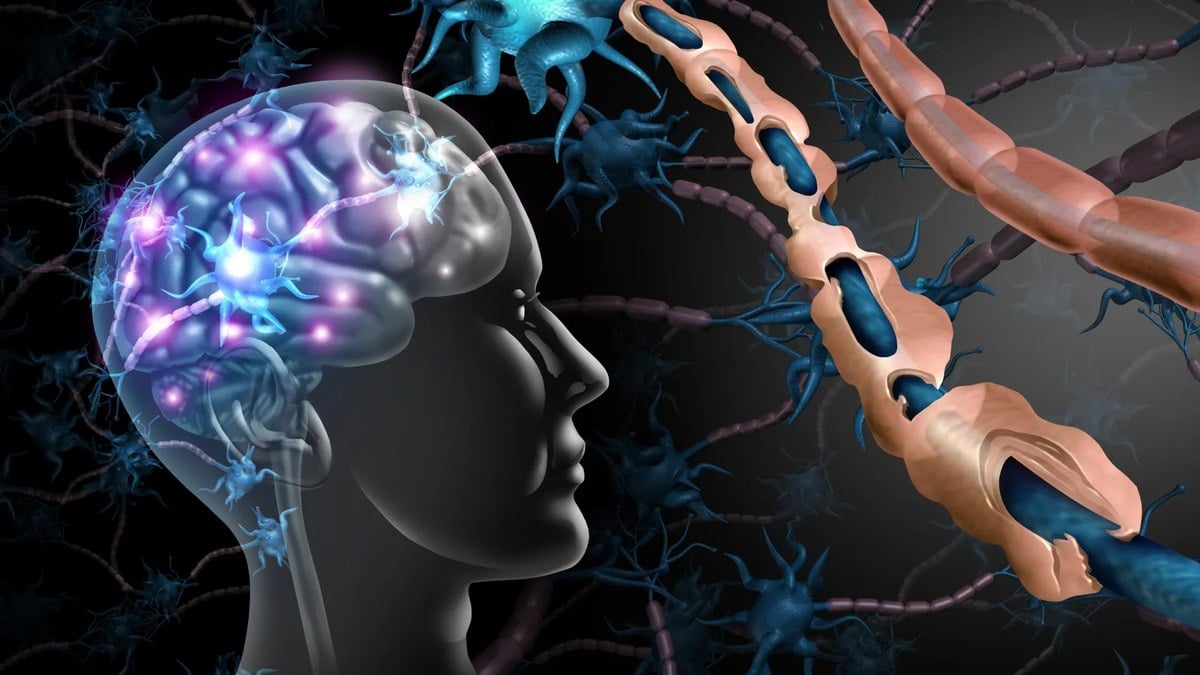
- What happenedResearch published in Nature Medicine reveals that oligodendrocytes — brain cells long considered purely protective — can become dysfunctional with age, producing abnormal myelin that damages nerve fibers and accelerates cognitive decline.
- Key facts & numbersUniversity of Edinburgh researchers published in Nature Medicine evidence that oligodendrocytes, traditionally viewed as protective, can turn dysfunctional with age and generate abnormal myelin that damages large nerve fibers in the brain. The study drew on the Lothian Birth Cohort 1936, tracking 1,091 participants from childhood into old age; 866 completed cognitive assessments after age 70, with brain tissue examined post-mortem from a subset to correlate decline rates with neural changes. Georgina Craig, the study's first author, said the findings "fundamentally shifted how we think about these brain cells in aging," showing individuals with faster cognitive decline had fewer large nerve fibers and unhealthy myelin accumulation.
- What happens nextThe lore flip: the brain's supposed heroes become the villains. NRF2 drugs already exist for MS — interesting road from here to actual aging trials.
- University of Edinburgh researchers published in Nature Medicine evidence that oligodendrocytes, traditionally viewed as protective, can turn dysfunctional with age and generate abnormal myelin that damages large nerve fibers in the brain.
- The study drew on the Lothian Birth Cohort 1936, tracking 1,091 participants from childhood into old age; 866 completed cognitive assessments after age 70, with brain tissue examined post-mortem from a subset to correlate decline rates with neural changes.
- Georgina Craig, the study's first author, said the findings "fundamentally shifted how we think about these brain cells in aging," showing individuals with faster cognitive decline had fewer large nerve fibers and unhealthy myelin accumulation.
- Scientists found lower levels of the protective protein NRF2 inside oligodendrocytes of people with more severe decline; mouse experiments confirmed that reducing NRF2 in those cells alone caused excessive myelin, nerve fiber loss, and reduced cognitive performance with age.
Why It Matters
With no existing treatments for age-related cognitive decline and a growing aging population, the discovery identifies a concrete drug-repurposing target — the NRF2 pathway — already modulated by multiple sclerosis medications tested in humans, potentially shortening the path to clinical trials for protecting memory in older adults.
Sources Cited
Related Coverage
Ask SkimNews
The day’s news in one short email, every morning.
Free. One email a day. Unsubscribe in one click.