eGenesis: Two Pig Kidney Recipients Get Human Organs
The 30-Second Skim7 points
- What happenedeGenesis announced that two recipients of its genetically engineered pig kidneys have successfully received human donor organs, confirming the xenografts do not preclude later human-to-human transplants.
- Key facts & numberseGenesis announced Thursday evening that two of its first recipients of genetically engineered pig kidneys have successfully received human donor organs, marking a milestone for xenotransplantation. In both cases, doctors removed the xenograft pig kidney and patients returned to dialysis for months before a human organ became available — the transition to a human organ was not immediate. The two recipients each spent the better part of a year off dialysis while their pig kidneys functioned, time they would not otherwise have had given the human organ shortage.
- What happens nextBuried detail: both patients went back on dialysis for months after their pig kidneys came out. Nearly a year off dialysis — a bridge, not a fix.
- eGenesis announced Thursday evening that two of its first recipients of genetically engineered pig kidneys have successfully received human donor organs, marking a milestone for xenotransplantation.
- In both cases, doctors removed the xenograft pig kidney and patients returned to dialysis for months before a human organ became available — the transition to a human organ was not immediate.
- The two recipients each spent the better part of a year off dialysis while their pig kidneys functioned, time they would not otherwise have had given the human organ shortage.
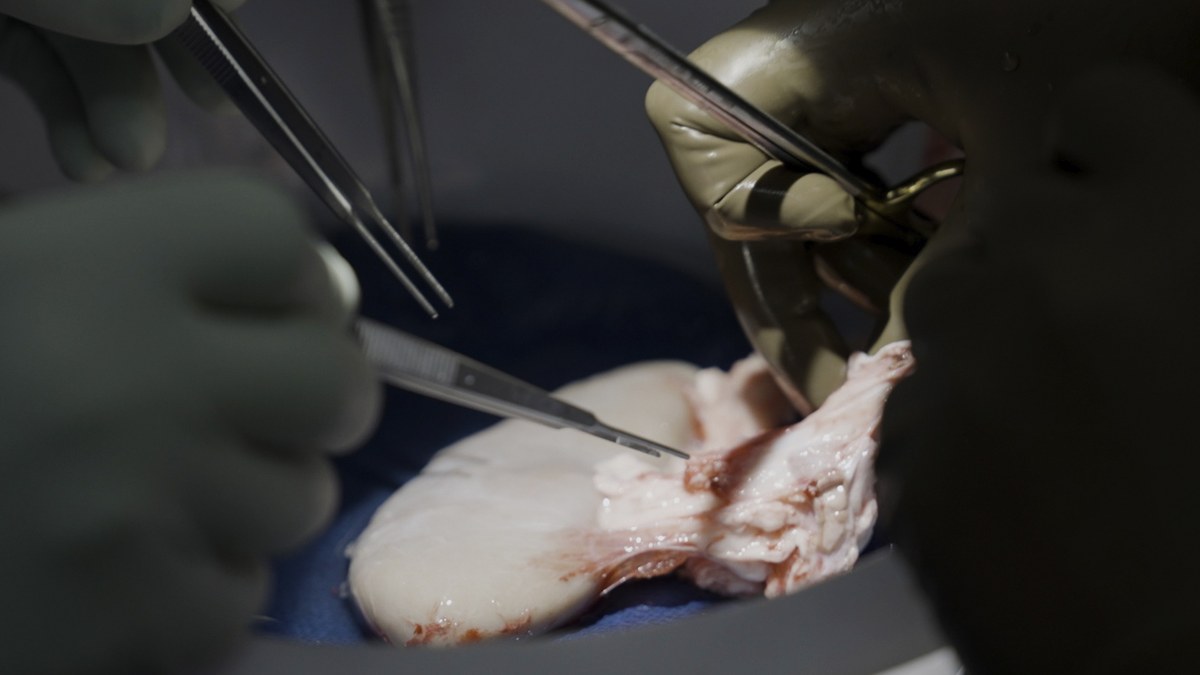
- Xenografts — genetically engineered pig organs transplanted into humans — are being developed by eGenesis and a handful of other biotech companies racing to commercialize the approach.
Why It Matters
The successful transition answers a key scientific question that had shadowed xenotransplantation since its earliest primate studies — whether pig kidneys would create antibodies that block future human transplants — and shows the organs can buy patients nearly a year off dialysis without closing the door on a human match, a meaningful bridge for patients who would otherwise die waiting.
Sources Cited
Related Coverage
Ask SkimNews
The day’s news in one short email, every morning.
Free. One email a day. Unsubscribe in one click.