ESC Issues First Heart-Kidney Disease Guidelines
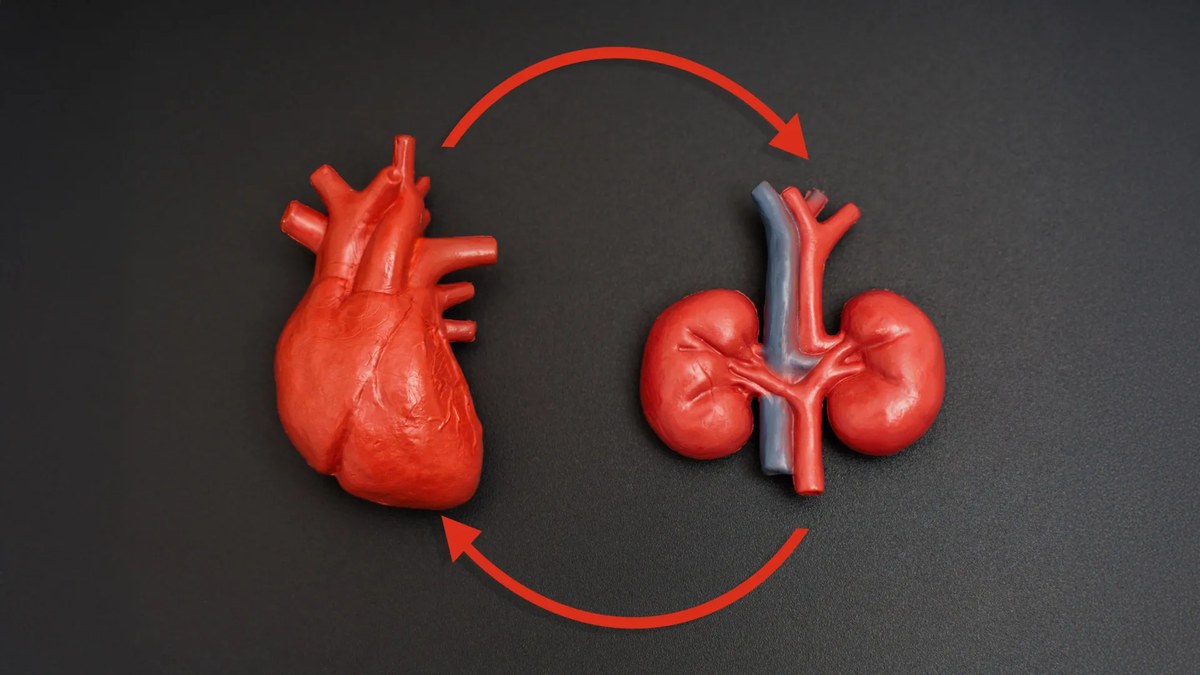
The 30-Second Skim
- What happened: The European Society of Cardiology and European Renal Association issued joint guidelines to improve outcomes for patients with both heart and kidney disease by promoting early screening, coordinated care, and targeted treatments.
- Key facts & numbers: European Society of Cardiology released its first guidelines on managing cardiovascular disease alongside chronic kidney disease in collaboration with the European Renal Association, published in the European Heart Journal on September 5, 2026 Kevin Damman emphasized that chronic kidney disease accelerates cardiovascular disease and vice versa, but recent advances in treatment can substantially reduce complications when applied early William Herrington stressed the importance of routine kidney function and urine albumin testing in patients with cardiovascular disease to identify at-risk individuals earlier
- What happens next: Most headlines focus on the heart-kidney link, but buried in the guidelines: a full STAMP framework for care coordination—this isn’t just awareness, it’s a clinical roadmap others are overlooking.
- European Society of Cardiology released its first guidelines on managing cardiovascular disease alongside chronic kidney disease in collaboration with the European Renal Association, published in the European Heart Journal on September 5, 2026
- Kevin Damman emphasized that chronic kidney disease accelerates cardiovascular disease and vice versa, but recent advances in treatment can substantially reduce complications when applied early
- William Herrington stressed the importance of routine kidney function and urine albumin testing in patients with cardiovascular disease to identify at-risk individuals earlier
- Task Force introduced the 'STAMP on CKD' framework—Screen, Triage, Address CKD Risk, Modify CVD management, Plan health services—to standardize integrated care across specialties
Why It Matters
An estimated 100 million people in Europe have chronic kidney disease, which significantly raises their risk of heart disease. By integrating kidney screening into standard cardiac care and adjusting treatments accordingly, healthcare systems could delay or prevent dialysis and major cardiovascular events—reducing long-term costs and improving patient outcomes through a structured, cross-specialty approach.
Sources Cited
Related Coverage
Ask SkimNews