Five Autumn Night Sky Events Through November
The 30-Second Skim7 points
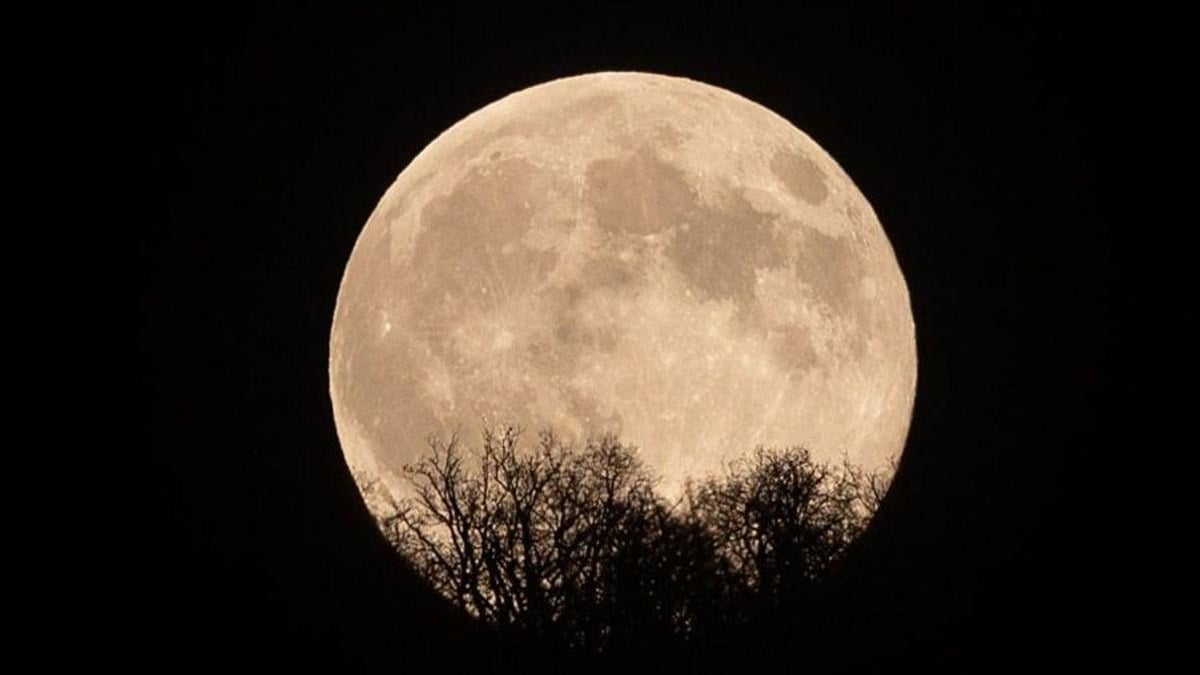
- What happenedSkywatchers in the northern hemisphere have five celestial events to enjoy this autumn, including two meteor showers, a four-planet alignment, the Pleiades star cluster and the first of four consecutive supermoons running into 2027.
- Key facts & numbersThe Pleiades star cluster, also called the Seven Sisters, sits roughly 440 light years from Earth in the constellation Taurus and becomes increasingly prominent in eastern autumn skies, with most naked-eye observers seeing about six stars. The Orionid meteor shower, active from early October into November and peaking around 21 October, occurs twice each year when Earth passes through dust and debris trails left by Halley's Comet. A four-planet planetary parade around 14 November places Mercury, Venus, Mars and Jupiter above the horizon before sunrise, though Mercury will be hardest to spot because it stays low near the rising sun's glare.
- What happens nextNovember is absurdly stacked: four planets at sunrise, two meteor showers, AND the first of four straight supermoons. Clear your calendar.
- The Pleiades star cluster, also called the Seven Sisters, sits roughly 440 light years from Earth in the constellation Taurus and becomes increasingly prominent in eastern autumn skies, with most naked-eye observers seeing about six stars.
- The Orionid meteor shower, active from early October into November and peaking around 21 October, occurs twice each year when Earth passes through dust and debris trails left by Halley's Comet.
- A four-planet planetary parade around 14 November places Mercury, Venus, Mars and Jupiter above the horizon before sunrise, though Mercury will be hardest to spot because it stays low near the rising sun's glare.
- The Leonid meteor shower peaks around 17 November, producing some of the fastest meteors visible from Earth at about 70 km per second, with 10 to 15 per hour visible under ideal dark-sky conditions after midnight and before dawn.
Why It Matters
Two distinct meteor showers (Orionids peaking 21 October, Leonids peaking 17 November), a four-planet pre-dawn alignment on 14 November and a supermoon on 24 November give skywatchers four separate windows in roughly five weeks — and the November supermoon is just the first of four consecutive supermoons stretching to February 2027, turning a single season into the start of a longer lunar series.
Sources Cited
- BBC EnvironmentFive night sky events to look out for this autumn
Related Coverage
Ask SkimNews
The day’s news in one short email, every morning.
Free. One email a day. Unsubscribe in one click.