Giant Epulopiscium DNA Found in Human Gut Microbiomes
The 30-Second Skim7 points
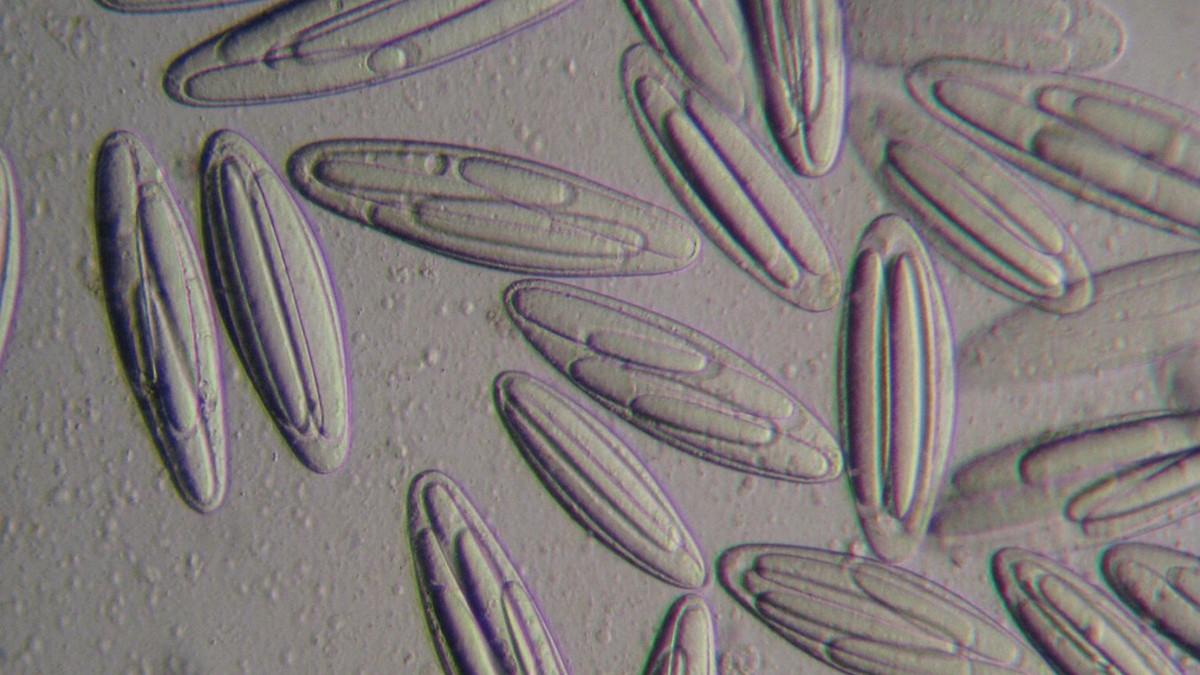
- What happenedMicrobiologists have detected DNA from Epulopiscium — one of the largest known bacteria, reaching up to 600 micrometres — in human gut microbiomes worldwide, finding it most abundant in infants and people with inflammatory gut conditions.
- Key facts & numbersEpulopiscium DNA was detected in human gut microbiomes worldwide after researchers screened 600,000+ microbiome samples from more than 80 countries, yielding tens of thousands of positive hits across species from shellfish to ferrets. The giant bacteria — capable of reaching 600 micrometres in length, compared with the typical 2 micrometres — appeared in thousands of human microbiomes, typically accounting for 1-2% of DNA sequences but reaching up to 20% in rare cases. Epulopiscium sequences were most abundant in the first year of life and disproportionately present in people with inflammatory gut conditions, including colorectal cancer and irritable bowel disease.
- What happens nextHalf the story is buried skepticism — Segata thinks those 'giant bacteria' might just be a small unknown cousin sharing similar genes. Nobody's actually seen one in a human gut yet.
- Epulopiscium DNA was detected in human gut microbiomes worldwide after researchers screened 600,000+ microbiome samples from more than 80 countries, yielding tens of thousands of positive hits across species from shellfish to ferrets.
- The giant bacteria — capable of reaching 600 micrometres in length, compared with the typical 2 micrometres — appeared in thousands of human microbiomes, typically accounting for 1-2% of DNA sequences but reaching up to 20% in rare cases.
- Epulopiscium sequences were most abundant in the first year of life and disproportionately present in people with inflammatory gut conditions, including colorectal cancer and irritable bowel disease.
- Danny Ionescu of the Technical University of Berlin said the bacteria likely exploit microbiome imbalances rather than cause them, citing their hundreds-to-thousands of chromosomes as an adaptation to unstable conditions.
Why It Matters
If confirmed physically present at human scale, Epulopiscium could serve as an early biomarker for microbiome dysregulation, showing up most often in infants and patients with inflammatory gut diseases — potentially flagging trouble before symptoms emerge. The 600-micrometre finding would also shatter the textbook assumption that bacteria inside humans stay at the 2-micrometre norm.
Sources Cited
- New ScientistGiant bacteria could be living in your gut
Related Coverage
Ask SkimNews
The day’s news in one short email, every morning.
Free. One email a day. Unsubscribe in one click.