Fusobacterium nucleatum speeds breast cancer in BRCA1
The 30-Second Skim7 points
- What happenedResearchers at Johns Hopkins have shown that the gum‑disease bacterium Fusobacterium nucleatum can travel to breast tissue, inflict DNA damage and accelerate tumor growth, an effect amplified in cells harboring BRCA1 mutations.
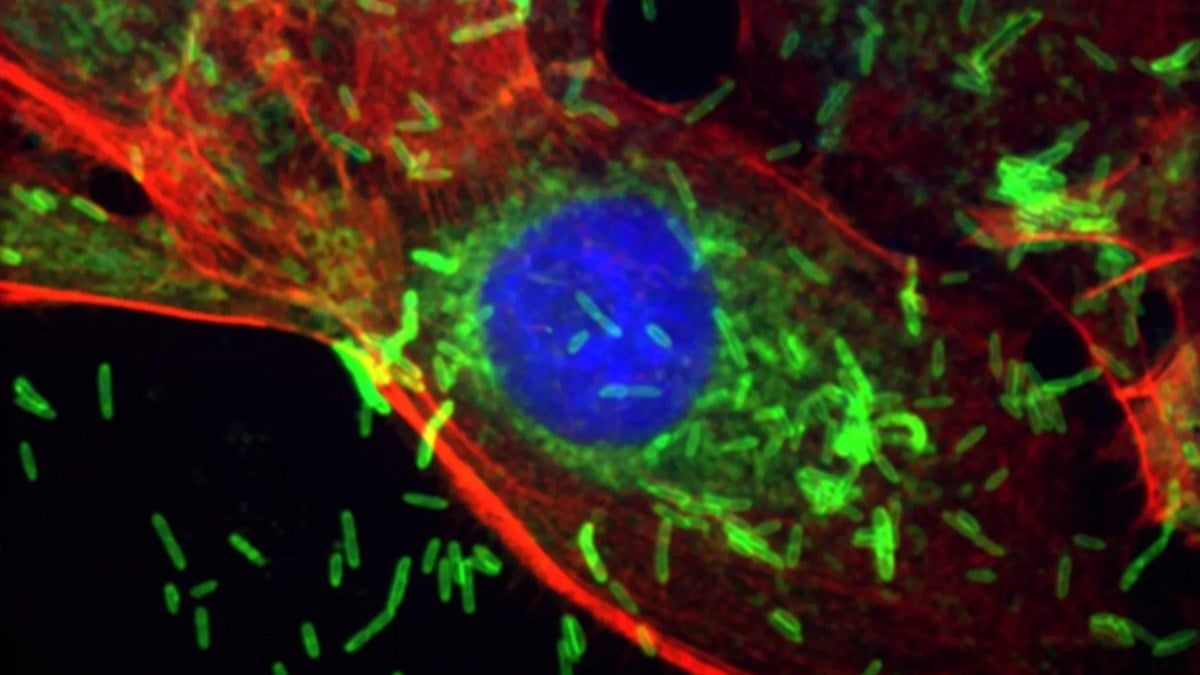
- Key facts & numbersFusobacterium nucleatum was detected in breast tissue after entering the bloodstream, where it triggered inflammation and early cellular changes linked to cancer. Animal experiments showed that direct introduction of F. nucleatum into breast ducts caused metaplastic and hyperplastic lesions, DNA damage, and heightened cell proliferation. Mouse models demonstrated that systemic exposure to F. nucleatum sped up growth of existing breast tumors and increased metastasis to the lungs.
- What happens nextHeadlines flag disease as a breast cancer risk, but the study shows BRCA1 carriers are hit hardest—thanks to a bacterial hitchhike.
- Fusobacterium nucleatum was detected in breast tissue after entering the bloodstream, where it triggered inflammation and early cellular changes linked to cancer.
- Animal experiments showed that direct introduction of F. nucleatum into breast ducts caused metaplastic and hyperplastic lesions, DNA damage, and heightened cell proliferation.
- Mouse models demonstrated that systemic exposure to F. nucleatum sped up growth of existing breast tumors and increased metastasis to the lungs.
- BRCA1‑mutant breast cells displayed elevated Gal‑GalNAc surface sugar, leading to greater bacterial attachment, retention across generations, and amplified DNA damage.
Why It Matters
The findings suggest that improving oral hygiene may lower breast cancer risk and slow tumor progression, particularly for patients carrying BRCA1 mutations, while also revealing a bacterial mechanism that can increase tumor aggressiveness and chemotherapy resistance, potentially informing new preventive and therapeutic strategies.
Sources Cited
- The IndependentCommon dental problem linked to breast cancer by new study
- Johns Hopkins MedicineOral Bacterium May Promote Breast Cancer Development and Spread
Related Coverage
Ask SkimNews
The day’s news in one short email, every morning.
Free. One email a day. Unsubscribe in one click.