Vagus nerve carries nutrient memory signals in rats
The 30-Second Skim
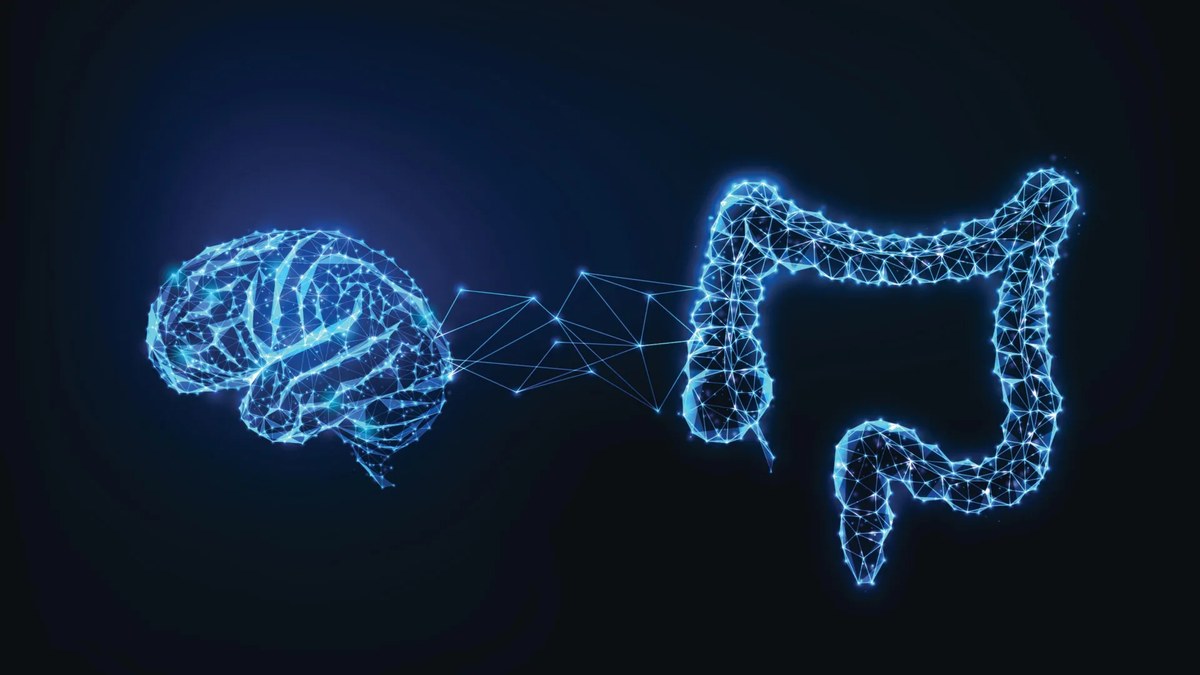
- What happened: USC researchers have identified a gut-to-brain pathway in rats in which the vagus nerve ferries nutrient signals to the hippocampus, converting nutritious meals into durable spatial memories — a system that junk-food diets gradually degrade.
- Key facts & numbers: Scott Kanoski's team at USC Dornsife found that eating nutrient-rich foods triggered acetylcholine release in hippocampal neurons of rats, strengthening memory of where food was located. Vagus nerve disruption eliminated the post-meal acetylcholine surge and impaired rats' performance on spatial memory tasks pinpointing where food had been. Sweet taste alone was insufficient — rats given noncaloric sweet liquids showed no memory-pathway activation, indicating the brain responds to nutritional content rather than flavor.
- What happens next: The cleanest detail buried here: noncaloric sweeteners triggered zero memory activity. Your brain isn't fooled — it remembers the calories, not the sweetness.
- Scott Kanoski's team at USC Dornsife found that eating nutrient-rich foods triggered acetylcholine release in hippocampal neurons of rats, strengthening memory of where food was located.
- Vagus nerve disruption eliminated the post-meal acetylcholine surge and impaired rats' performance on spatial memory tasks pinpointing where food had been.
- Sweet taste alone was insufficient — rats given noncaloric sweet liquids showed no memory-pathway activation, indicating the brain responds to nutritional content rather than flavor.
- Early-life high-fat, high-sugar diets weakened gut-to-hippocampus signaling in rats, and the deficits persisted even after the animals were switched back to healthier food.
Why It Matters
If the gut-to-vagus-to-hippocampus pathway operates in humans as it does in rats, chronic exposure to high-fat, high-sugar diets could biologically erode the same memory system those foods initially excite — a mechanism that aligns with known links between obesity, diabetes, and cognitive decline, and that points to vagus nerve stimulation as a candidate target for early Alzheimer's intervention.
Sources Cited
- Science Daily — Your gut may help your brain decide what to remember
Related Coverage
Ask SkimNews