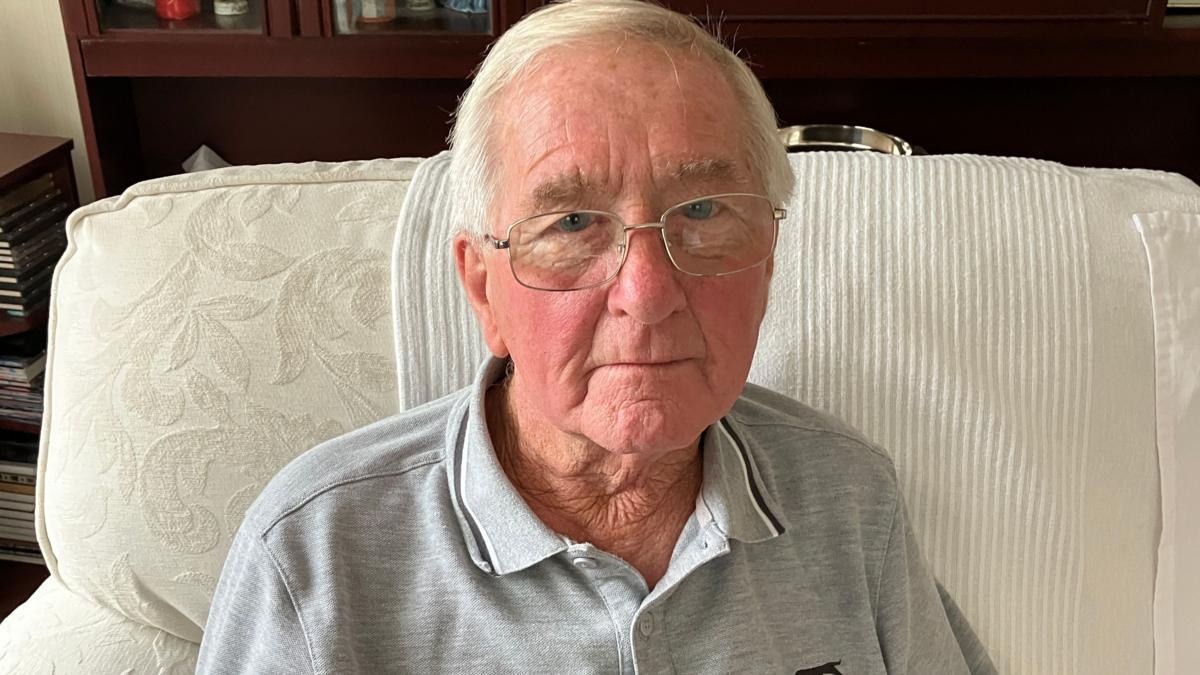
WAST refusal forces 83-year-old into four-hour drive
The 30-Second Skim
- What happened: Charles Swift’s exhausting four-hour hospital journey for heart tests exposed wider strain in west Wales’ non-emergency patient transport, where eligibility limits, call-handling errors and rising cancellations left some patients arranging long rural trips themselves.
- Key facts & numbers: Charles Swift drove 70 miles each way from Borth to Withybush Hospital in Haverfordwest for heart tests in August, making a four-hour round trip after two heart attacks and treatment for three types of cancer. WAST initially refused non-emergency transport for Swift after a call handler learned he owned a car, then said the refusal would not have occurred with more information; it has since changed call-taking processes and provided training. Hywel Dda University Health Board normally expects patients to arrange their own transport, while some eligible cases can receive WAST transport, including regular dialysis or cancer treatment, stretcher or oxygen needs, or travel in their own wheelchair.
- What happens next: This isn’t just one bad call: Dolen Teifi fielded 145 last-minute cancellation calls in two months and could rescue only about one-third.
- Charles Swift drove 70 miles each way from Borth to Withybush Hospital in Haverfordwest for heart tests in August, making a four-hour round trip after two heart attacks and treatment for three types of cancer.
- WAST initially refused non-emergency transport for Swift after a call handler learned he owned a car, then said the refusal would not have occurred with more information; it has since changed call-taking processes and provided training.
- Hywel Dda University Health Board normally expects patients to arrange their own transport, while some eligible cases can receive WAST transport, including regular dialysis or cancer treatment, stretcher or oxygen needs, or travel in their own wheelchair.
- WAST acknowledged that rising demand and longer travel distances were stretching resources and increasing cancellations when available vehicles could not cover the workload.
Why It Matters
For older rural patients, the burden is measurable: Dolen Teifi fielded 145 last-minute cancellation calls in two months and helped in about one-third of those cases, while WAST acknowledged rising cancellations. Volunteer drivers and patients therefore absorb the gap left by strained ambulance transport and long journeys to specialist care.
Sources Cited
Related Coverage
Ask SkimNews