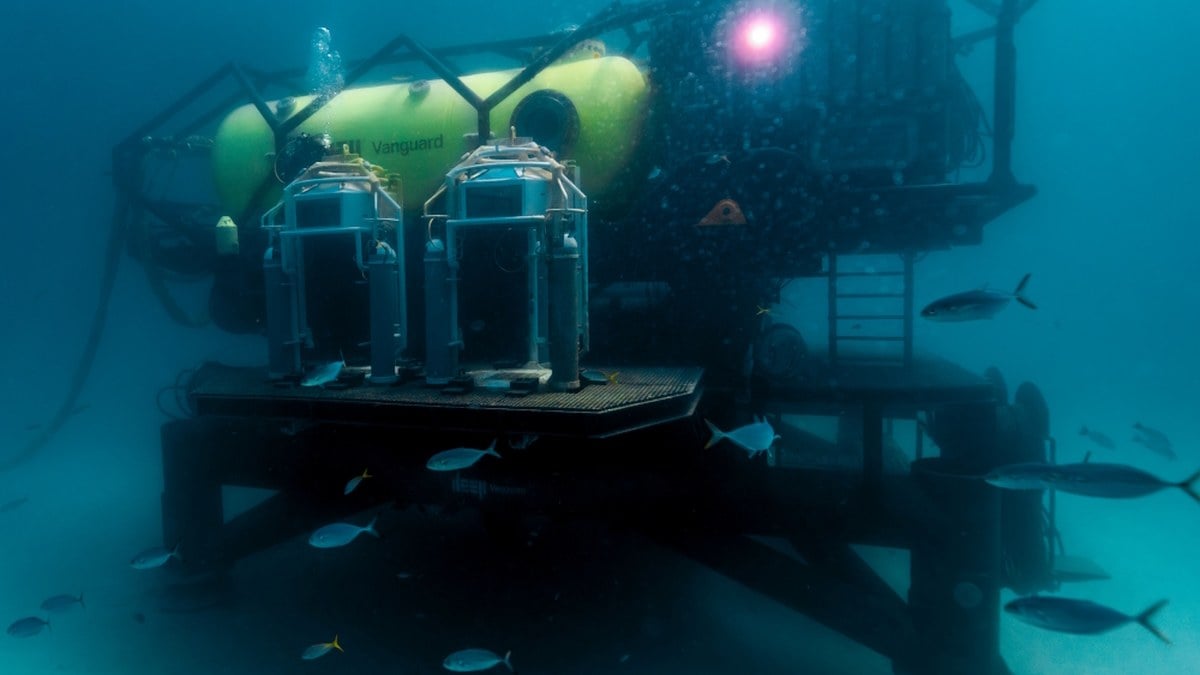
Vanguard underwater habitat launched for coral restoration
The 30-Second Skim7 points
- What happenedAn underwater habitat named Vanguard has been deployed in the Florida Keys to enable aquanauts to live and monitor coral restoration efforts continuously, improving research efficiency and reef recovery prospects.
- Key facts & numbersVanguard was deployed in June 2026 at Tennessee Reef in the Florida Keys National Marine Sanctuary, 17 metres below sea level, to serve as a long-stay underwater station for marine scientists. DEEP, the international design and engineering organization behind Vanguard, aims to establish a network of subsea habitats to support extended marine research and conservation, starting with this Florida Keys site. SOAR, led by Jim Brittsan, relocated 11 coral species to a temporary nursery adjacent to Vanguard in September 2026 using specialized transport methods to protect them from heat stress.
- What happens nextWhile headlines focus on the tech, the real story is the Diadema urchins showing up uninvited—nature’s vote of confidence in the habitat’s ecological potential.
- Vanguard was deployed in June 2026 at Tennessee Reef in the Florida Keys National Marine Sanctuary, 17 metres below sea level, to serve as a long-stay underwater station for marine scientists.
- DEEP, the international design and engineering organization behind Vanguard, aims to establish a network of subsea habitats to support extended marine research and conservation, starting with this Florida Keys site.
- SOAR, led by Jim Brittsan, relocated 11 coral species to a temporary nursery adjacent to Vanguard in September 2026 using specialized transport methods to protect them from heat stress.
- Resident scientists in Vanguard will monitor marine life around the clock, overcoming the limitations of surface-based diving that restricts effective work to about 3 hours per day at depth.
Why It Matters
Scientists gain unprecedented access to deep reef environments for continuous monitoring, increasing research efficiency by eliminating daily decompression constraints. This shift could accelerate coral restoration timelines in the Florida Keys, where key reef-building species like elkhorn and staghorn corals are now functionally extinct.
Sources Cited
- New ScientistHow aquanauts could help save Florida’s reefs
Related Coverage
Ask SkimNews
The day’s news in one short email, every morning.
Free. One email a day. Unsubscribe in one click.