A mother’s age can shape her offspring without changing their DNA
The 30-Second Skim
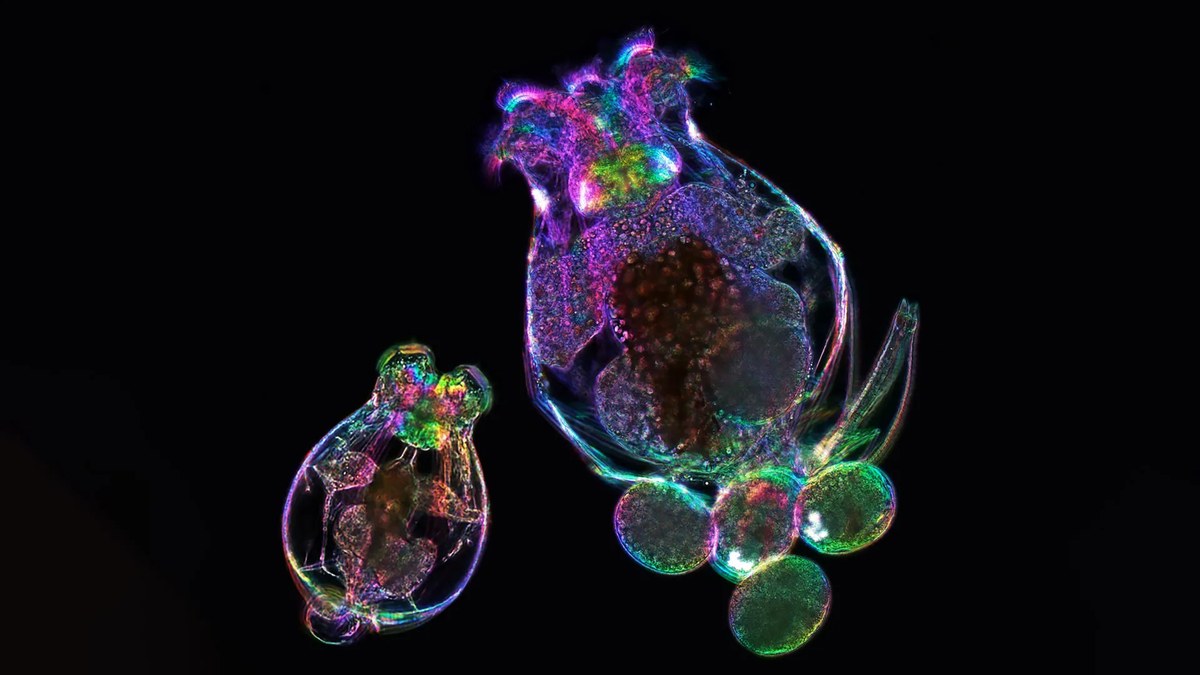
- What happened: Research on rotifers suggests a mother's age leaves reversible epigenetic marks — not permanent DNA mutations — on her offspring, with effects that can shift within a single generation and potentially echo across multiple generations.
- Key facts & numbers: Kristin Gribble and colleagues at the Marine Biological Laboratory found that maternal age effects in offspring can reverse within a single generation in rotifers, arguing against the prevailing theory that such effects stem from accumulated DNA damage. Postdoctoral scientist Alyssa Liguori (now at SUNY-New Paltz) examined two genotypes from the same rotifer species and found the imprint pointed toward histone modifications — epigenetic 'on/off' switches for genes — rather than mutations in the DNA sequence itself. Gribble's team is now testing whether histone modifications specifically drive the effect and whether maternally inherited mitochondrial DNA also helps transmit age information to offspring.
- What happens next: The buried twist: it's not just grandma's DNA you carry — it's her epigenetic residue. And one rotifer strain actually thrived with older moms.
- Kristin Gribble and colleagues at the Marine Biological Laboratory found that maternal age effects in offspring can reverse within a single generation in rotifers, arguing against the prevailing theory that such effects stem from accumulated DNA damage.
- Postdoctoral scientist Alyssa Liguori (now at SUNY-New Paltz) examined two genotypes from the same rotifer species and found the imprint pointed toward histone modifications — epigenetic 'on/off' switches for genes — rather than mutations in the DNA sequence itself.
- Gribble's team is now testing whether histone modifications specifically drive the effect and whether maternally inherited mitochondrial DNA also helps transmit age information to offspring.
- In one rotifer strain, offspring from older mothers lived longer than those from younger mothers, suggesting protective genetic variants may exist that blunt or even reverse the typically negative effects of advanced maternal age.
Why It Matters
If maternal age effects are epigenetic rather than mutational, they may be modifiable — meaning harmful effects passed from older mothers could theoretically be prevented or reversed. The discovery reframes a phenomenon documented across species as a reversible biological signal rather than inevitable genetic damage, reshaping how researchers approach transgenerational health risks.
Background & Timeline
- Editor context: Reversibility within a single generation reframes maternal age as a tunable dial rather than a fixed countdown, suggesting epigenetic state — not the mother's chronological age itself — may be the actionable variable for offspring outcomes.
Sources Cited
- Science Daily — A mother’s age can shape her offspring without changing their DNA
- Phys.org — Molecular memory: How a mother's age echoes in her offspring's cells
- graziamagazine.com — Angelina Jolie Reveals Why She's Been Preparing Her Kids for Her Absence — "I Have Never Lived Feeling Like I'm Going to Have a Long Life"
- New York Post — Alarming past of ‘indoctrinated’ Ohio house of horrors mom revealed: ‘You get shaped by that’
- The Conversation — Is it OK to drink in front of your kids? New research shows the age they’re most influenced
Related Coverage
Ask SkimNews