Mayo Clinic IDs MET Gene Mutation Causing Fatty Liver
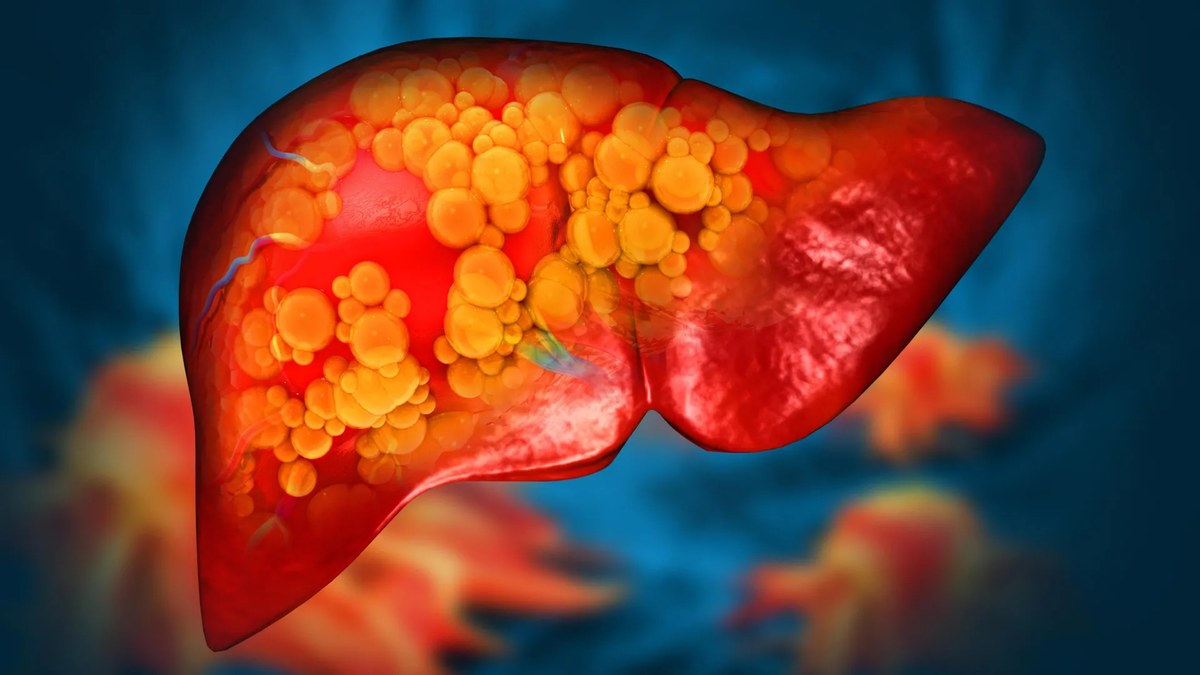
The 30-Second Skim
- What happened: Mayo Clinic researchers have identified a rare inherited mutation in the MET gene that can directly cause metabolic dysfunction-associated steatotic liver disease, a condition affecting roughly one-third of adults worldwide.
- Key facts & numbers: Mayo Clinic researchers identified a rare mutation in the MET gene that can directly cause metabolic dysfunction-associated steatotic liver disease (MASLD), publishing the finding in Hepatology. The MET gene mutation disrupts the liver's ability to process fat, leading to fat buildup, inflammation, fibrosis, and potentially cirrhosis or liver cancer. The discovery began with a father and daughter who had metabolic dysfunction-associated steatohepatitis despite lacking typical risk factors like diabetes or high cholesterol, prompting analysis of DNA across more than 20,000 genes.
- What happens next: Plot twist: fatty liver isn't always about diet. A single swapped DNA letter in MET may be quietly driving disease in millions of people with no classic risk factors.
- Mayo Clinic researchers identified a rare mutation in the MET gene that can directly cause metabolic dysfunction-associated steatotic liver disease (MASLD), publishing the finding in Hepatology.
- The MET gene mutation disrupts the liver's ability to process fat, leading to fat buildup, inflammation, fibrosis, and potentially cirrhosis or liver cancer.
- The discovery began with a father and daughter who had metabolic dysfunction-associated steatohepatitis despite lacking typical risk factors like diabetes or high cholesterol, prompting analysis of DNA across more than 20,000 genes.
- The mutation was a single swapped letter in the DNA sequence and had not previously been documented in scientific literature or public genetic databases.
Why It Matters
MASLD affects roughly one-third of adults globally, and its severe form is expected to become the leading cause of cirrhosis and liver transplants. Identifying a single-gene cause in a subset of patients opens a path to targeted genetic screening and potential therapies for the ~1% of MASLD patients carrying MET variants, detected through Mayo's 100,000-participant Tapestry genomic database.
Sources Cited
Related Coverage
Ask SkimNews