NICE recommends wider use of oesophageal sponge tests
The 30-Second Skim
- What happened: Draft NICE guidance proposes giving more people in England with persistent indigestion a quick, less invasive sponge test for oesophageal cancer and Barrett’s oesophagus, potentially reducing reliance on hospital endoscopy.
- Key facts & numbers: NICE recommends in draft NHS guidance that some people with persistent indigestion be offered “sponge in the gullet” tests to check for oesophageal cancer, with final recommendations due in the new year. Jonathan Benger, NICE chief executive, says the test provides a quick, less invasive way to detect concerning changes and identify patients who need further tests and treatment; it can be carried out in GP surgeries in minutes. Barrett’s oesophagus is estimated to affect one to two adults in every 100; most will not develop cancer, but high NHS endoscopy demand means some are not checked as often as recommended.
- What happens next: The catch buried in the rollout pitch: a clear sponge result is not a permanent all-clear—NICE says these patients still need long-term monitoring.
- NICE recommends in draft NHS guidance that some people with persistent indigestion be offered “sponge in the gullet” tests to check for oesophageal cancer, with final recommendations due in the new year.
- Jonathan Benger, NICE chief executive, says the test provides a quick, less invasive way to detect concerning changes and identify patients who need further tests and treatment; it can be carried out in GP surgeries in minutes.
- Barrett’s oesophagus is estimated to affect one to two adults in every 100; most will not develop cancer, but high NHS endoscopy demand means some are not checked as often as recommended.
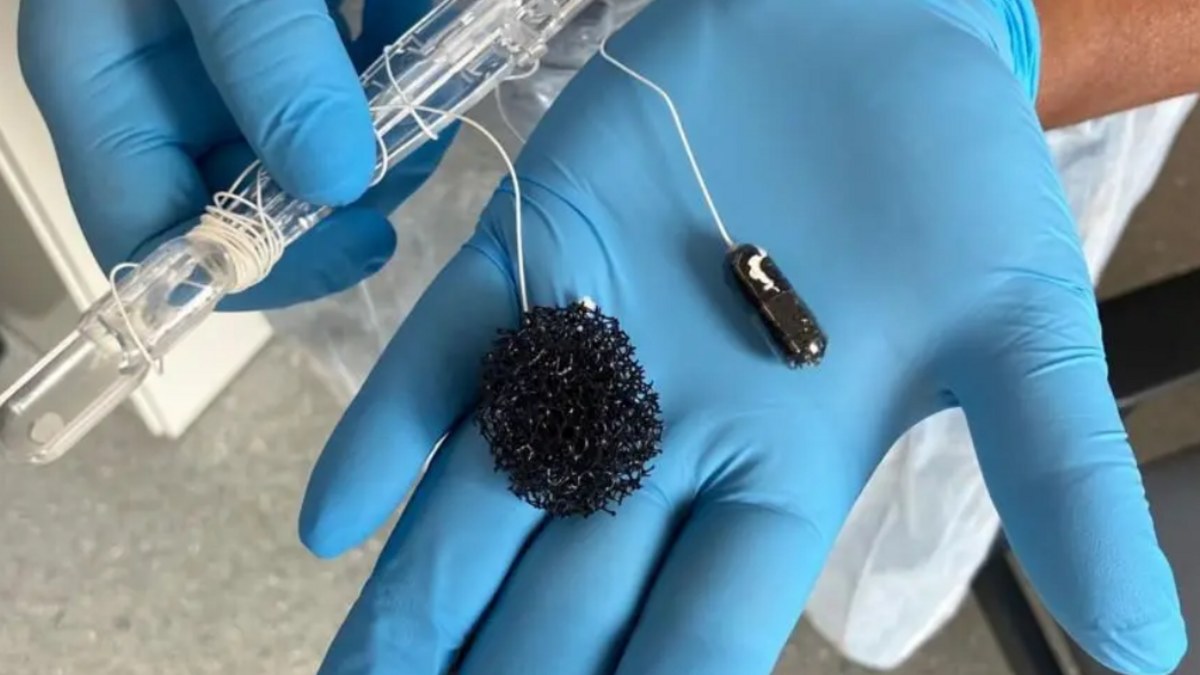
- The test procedure starts with a patient swallowing a dissolving capsule attached to a thread, which releases a tiny sponge in the stomach to collect oesophageal cells for analysis as a doctor pulls it back out.
Why It Matters
NICE’s draft pathway would give patients with persistent indigestion a GP-based check in minutes, with final recommendations due in the new year. NHS England says wider use can reduce endoscopy demand and free resources for earlier cancer detection, but NICE stresses that an all-clear result still requires long-term monitoring.
Sources Cited
Related Coverage
Ask SkimNews