NIH Study Links PFAS Exposure to Aggressive Breast Cancer
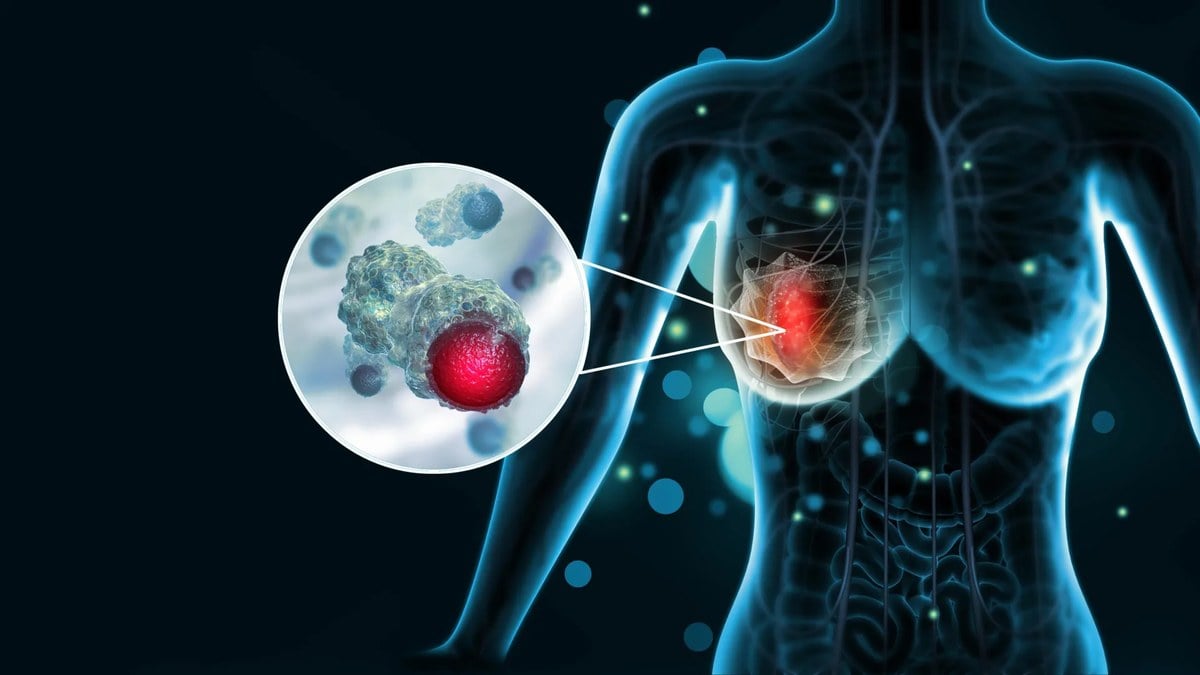
The 30-Second Skim
- What happened: An NIH analysis of the Sister Study data found that women with elevated blood levels of PFOA and PFOS, two common PFAS chemicals, faced a significantly higher risk of developing ER-negative breast cancer. The study did not find a clear link between these chemicals and overall breast cancer risk.
- Key facts & numbers: Women in the highest PFOS exposure group had a 93% higher rate of ER-negative breast cancer compared to the lowest group, while those with high PFOA levels had a 67% increased rate. The study analyzed data from 1,609 women who developed breast cancer between 2003 and 2009.
- What happens next: Researchers call for further studies on newer PFAS replacements and populations with higher exposure or ER-negative cancer rates to determine long-term risks and potential prevention strategies.
Why It Matters
This study intensifies scrutiny on regulatory policies for PFAS, which remain widespread despite phase-outs. With ER-negative breast cancer having fewer known risk factors and poorer outcomes, identifying environmental contributors could shift public health strategies and spur demand for safer alternatives in consumer goods.
Industries using PFAS in manufacturing, food packaging, and textiles may face increased liability and regulatory pressure. The findings also empower consumers to seek reduced exposure, potentially accelerating market shifts toward PFAS-free products and influencing future environmental health legislation.
How Outlets Are Framing It
- Science Daily / Public Health Lens: Emphasizes the scientific discovery and biological plausibility, focusing on the NIH’s role and the need for mechanistic research
- ConsumerAffairs / Consumer Risk Lens: Highlights personal risk reduction steps, framing PFAS as hidden dangers in everyday products affecting women’s health
- Open Access Government / Policy Lens: Stresses systemic environmental regulation gaps and the urgency for government action on legacy and replacement PFAS chemicals
Background & Timeline
- 2003–2009: The NIH’s Sister Study enrolled 50,884 women across the U.S. and Puerto Rico, collecting blood samples to study environmental impacts on breast cancer
- November 12, 2026: NIH published findings in the Journal of Clinical Oncology linking PFOA and PFOS to ER-negative breast cancer, based on pre-diagnosis PFAS levels
Sources Cited
- Science Daily — Common forever chemicals linked to nearly double the rate of aggressive breast cancer
- ConsumerAffairs — NIH study links two ‘forever chemicals’ to increased risk of aggressive breast cancer
- National Institutes of Health (NIH) | (.gov) — Two ‘forever chemicals’ associated with higher risk of aggressive breast cancer in NIH analysis
- Open Access Government — Two common ‘forever chemicals’ could be linked to breast cancer
Related Coverage
Ask SkimNews