Nobel Laureates Challenge Public with Science Quiz
The 30-Second Skim
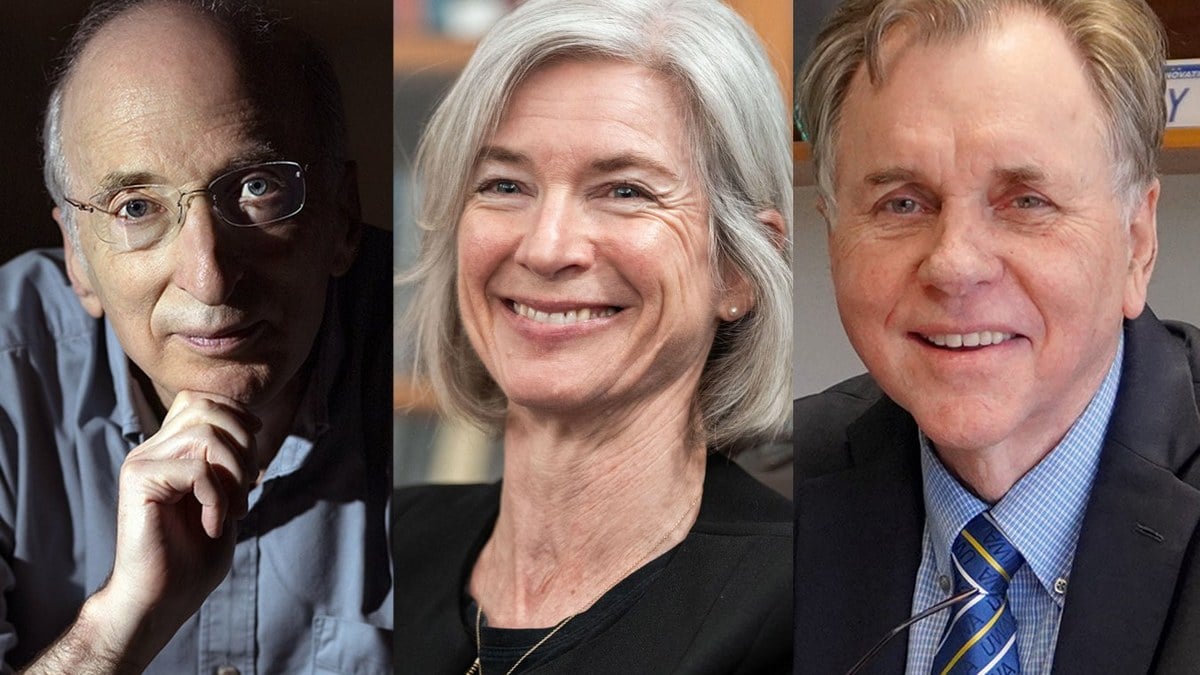
- What happened: New Scientist launched a public science quiz set by three Nobel laureates to celebrate its 70th anniversary. The quiz tests knowledge on groundbreaking discoveries in medicine, gene editing, and astrophysics made by the laureates themselves.
- Key facts & numbers: Barry Marshall won the 2005 Nobel Prize in Physiology or Medicine for identifying Helicobacter pylori's role in peptic ulcers. Jennifer Doudna won the 2020 Nobel Prize in Chemistry for co-developing CRISPR gene editing with Emmanuelle Charpentier.
- What happens next: New Scientist plans to release additional educational content in 2027, including interactive quiz formats and video explanations from the laureates, to expand public engagement with core scientific concepts.
Why It Matters
This initiative bridges elite science and public literacy, encouraging broader understanding of Nobel-level discoveries that have reshaped medicine, genetics, and cosmology. By gamifying complex topics, it fosters science engagement at a time of rising misinformation.
The quiz also reflects a growing trend among scientific institutions to use accessible media to highlight foundational research. With outlets like BuzzFeed and Mental Floss publishing similar science challenges, public interest in benchmarking scientific knowledge is increasing, potentially influencing education policy and STEM outreach strategies.
How Outlets Are Framing It
- New Scientist / Educational Lens: Focuses on scientific literacy and honors Nobel-caliber research by inviting readers to test their knowledge against discoveries made by laureates in medicine, chemistry, and physics.
- BuzzFeed / Pop Culture IQ Lens: Frames science quizzes as intelligence benchmarks, suggesting high scores correlate with elite cognitive performance, such as placement in the 96th percentile of IQ.
- Dallas News / Local Education Lens: Emphasizes curriculum standards by comparing adult knowledge to eighth-grade STAAR science exam expectations, highlighting gaps in retained scientific knowledge.
Background & Timeline
- October 2005: Barry Marshall and Robin Warren received the Nobel Prize in Physiology or Medicine for their discovery of H. pylori’s role in stomach ulcers, revolutionizing gastroenterology treatment.
- October 2020: Jennifer Doudna and Emmanuelle Charpentier were awarded the Nobel Prize in Chemistry for developing CRISPR-Cas9, a transformative tool for precise genome editing.
Sources Cited
- New Scientist — Can you pass our science quiz set by Nobel laureates?
- BuzzFeed — If You Score 13/15 On This History And Science Quiz, Your IQ Is Probably In The 96th Percentile
- Dallas News — Quiz: See if you'd pass the eighth grade STAAR science exam
- Mental Floss — Could You Pass 4th Grade Science Today? Take This 5-Question Quiz
Related Coverage
Ask SkimNews