Opinion: I research MAHA and Black Americans. The relationship is complicated — and fascinating
The 30-Second Skim
- What happened: An epidemiologist finds that MAHA’s food and environmental concerns resonate with many Black Americans, but argues Kennedy Jr.’s policies use racialized medical distrust while undercutting the movement’s environmental-justice roots.
- Key facts & numbers: MAHA drew 30% support among Black Americans in a 2025 KFF/The Washington Post poll, versus 43% among white Americans; a May Global Strategy Group poll separately found 47% of Black respondents strongly agreed with concerns about environmental toxins, pesticides, ultra-processed foods and artificial ingredients, compared with 35% of white respondents. Global Strategy Group found that 51% of Black people agreed they were skeptical of vaccines, versus 58% of Republicans and 28% of Democrats; 26% supported eliminating fluoride from public drinking water, compared with 28% of Republicans and 18% of Democrats. Fannie Lou Hamer pioneered land cooperatives in Mississippi in 1969 to promote food sovereignty and reduce Black communities’ reliance on large-scale food-production systems, anticipating the ultra-processed-food concerns now central to Kennedy Jr.’s Eat Real Food initiative.
- What happens next: The wrinkle: issue-by-issue agreement among Black Americans runs far higher than overall support—and MAHA’s environmental-justice roots are Black activist history, not Kennedy Jr.’s invention.
- MAHA drew 30% support among Black Americans in a 2025 KFF/The Washington Post poll, versus 43% among white Americans; a May Global Strategy Group poll separately found 47% of Black respondents strongly agreed with concerns about environmental toxins, pesticides, ultra-processed foods and artificial ingredients, compared with 35% of white respondents.
- Global Strategy Group found that 51% of Black people agreed they were skeptical of vaccines, versus 58% of Republicans and 28% of Democrats; 26% supported eliminating fluoride from public drinking water, compared with 28% of Republicans and 18% of Democrats.
- Fannie Lou Hamer pioneered land cooperatives in Mississippi in 1969 to promote food sovereignty and reduce Black communities’ reliance on large-scale food-production systems, anticipating the ultra-processed-food concerns now central to Kennedy Jr.’s Eat Real Food initiative.
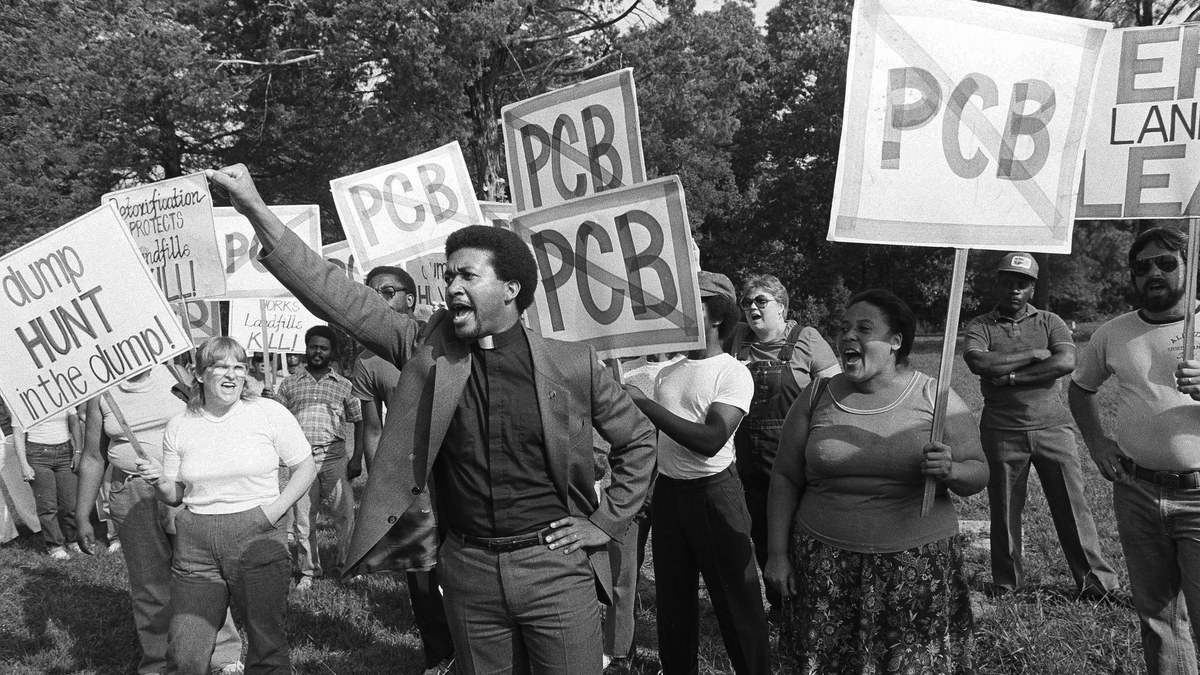
- Warren County, N.C. residents began organizing in 1978 against a landfill planned for 60,000 tons of cancer-causing PCBs; arrests during nonviolent protests preceded an $18 million site detoxification that began in 2002 and finished in 2004.
Why It Matters
The key divide is issue overlap versus political legitimacy: 47% of Black respondents strongly share MAHA’s concerns about toxins and processed foods, but the movement’s environmental-justice roots trace to Black activism. The author argues that Kennedy Jr.’s vaccine misinformation and claims about medicating Black children undercut that legitimacy; MAHA nevertheless has only 30% Black support.
Sources Cited
Related Coverage
Ask SkimNews