Phages Hijack Vaccine Immunity to Kill Mouse Tumors
The 30-Second Skim
- What happened: Researchers engineered a harmless bacteria-infecting virus to carry a malaria antigen and latch onto tumor cells, redirecting existing vaccine immunity to attack cancer — eradicating tumors in 44% of treated mice.
- Key facts & numbers: Amin Hajitou at Imperial College London led the study, genetically engineering an E. coli-infecting phage to bind tumor-specific integrins (αvβ3 and αvβ5) and deliver instructions for a malaria antigen. In 60 mice with skin tumors, the 15 given a malaria vaccine followed by six phage injections saw tumors eradicated in 44% of animals — with no recurrence a full year later when the study ended. The remaining treated mice lived longer than all three control groups (untreated, vaccine-only, and phage-only), none of which showed any survival benefit.
- What happens next: The clever trick: you don't teach the immune system anything new — you just hijack immunity people already carry from old vaccines and aim it at tumors. Plus it travels through the bloodstream.
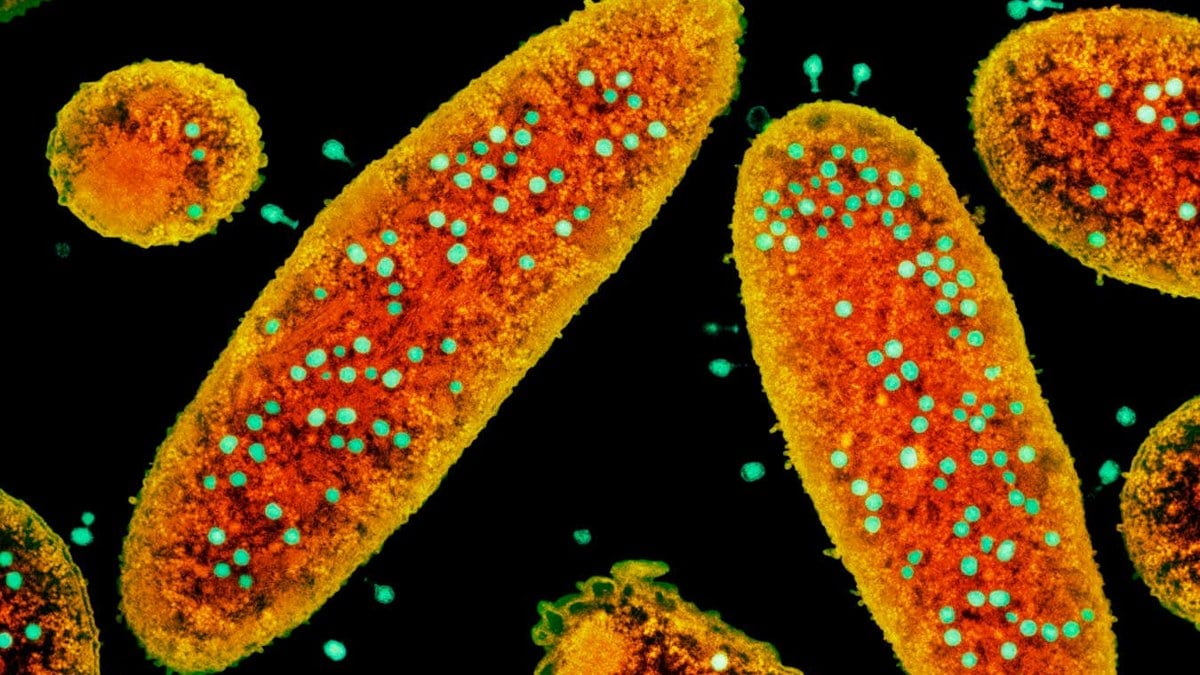
- Amin Hajitou at Imperial College London led the study, genetically engineering an E. coli-infecting phage to bind tumor-specific integrins (αvβ3 and αvβ5) and deliver instructions for a malaria antigen.
- In 60 mice with skin tumors, the 15 given a malaria vaccine followed by six phage injections saw tumors eradicated in 44% of animals — with no recurrence a full year later when the study ended.
- The remaining treated mice lived longer than all three control groups (untreated, vaccine-only, and phage-only), none of which showed any survival benefit.
- David Withers at the University of Oxford said the systemic delivery is the key advance, since oncolytic viruses must be injected directly into tumors, making metastatic disease essentially untreatable with current approaches.
Why It Matters
If human trials succeed, this approach offers a systemically administered immunotherapy that piggybacks on routine vaccinations — potentially reaching metastatic tumors that current oncolytic viruses can't access because they require direct injection. For the large share of cancer patients who don't respond to existing immunotherapies, redirecting pre-existing immune memory toward tumors would represent a new treatment class built on a delivery mechanism that is already regulator-approved in vaccine contexts.
Sources Cited
- New Scientist — Bacteria-killing viruses redirect vaccine immunity to destroy cancer
- Johns Hopkins Bloomberg School of Public Health — Risks of Cuts to mRNA Vaccine Development
- JAPAN Forward — Tree Frogs Offer Clues to New Cancer Treatment, Study Finds
- The Brighter Side of News — Scientists harness bacteria to deliver cancer-killing virus and halt tumor spread
Related Coverage
Ask SkimNews