Vagus Stimulation Boosts Skill Retention in Mice
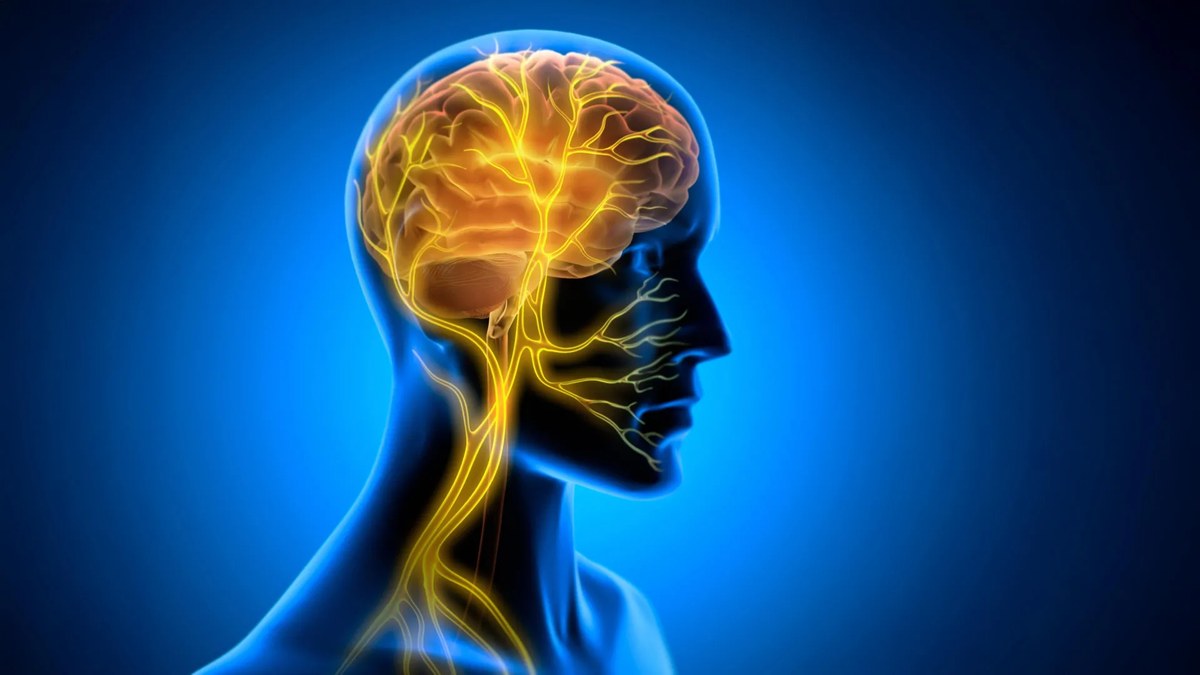
The 30-Second Skim
- What happened: Stimulating the vagus nerve after motor practice strengthens long-term skill retention in mice, with effects tied to rhythmic brain blood vessel changes that suggest body-to-brain signals help consolidate learning.
- Key facts & numbers: Vagus nerve stimulation applied after motor training enhanced long-term skill retention in mice, indicating a critical post-practice window for memory consolidation Mice showed stronger motor learning when vagus nerve stimulation followed practice, compared to controls without stimulation Brain blood vessels exhibited rhythmic changes linked to the timing of vagus nerve stimulation, suggesting a physiological mechanism for how peripheral signals influence learning
- What happens next: Most headlines hype 'brain hacks'—but the real story is in the blood vessels: rhythmic vascular changes hint at how the body helps the brain cement skills.
- Vagus nerve stimulation applied after motor training enhanced long-term skill retention in mice, indicating a critical post-practice window for memory consolidation
- Mice showed stronger motor learning when vagus nerve stimulation followed practice, compared to controls without stimulation
- Brain blood vessels exhibited rhythmic changes linked to the timing of vagus nerve stimulation, suggesting a physiological mechanism for how peripheral signals influence learning
- Body-to-brain signals may play a role in locking in new motor skills, as the study connects vascular rhythms to neural consolidation processes
Why It Matters
This finding shifts focus to post-practice biological windows when skills can still be reinforced—potentially making training protocols more effective. If translatable to humans, timed stimulation could enhance rehabilitation or skill acquisition with measurable physiological markers in blood flow patterns.
Sources Cited
- Science Daily — Vagus Nerve Stimulation Could Help New Skills Stick
Related Coverage
Ask SkimNews