Minnesota Uses Lactonase to Block Plaque Signals
The 30-Second Skim
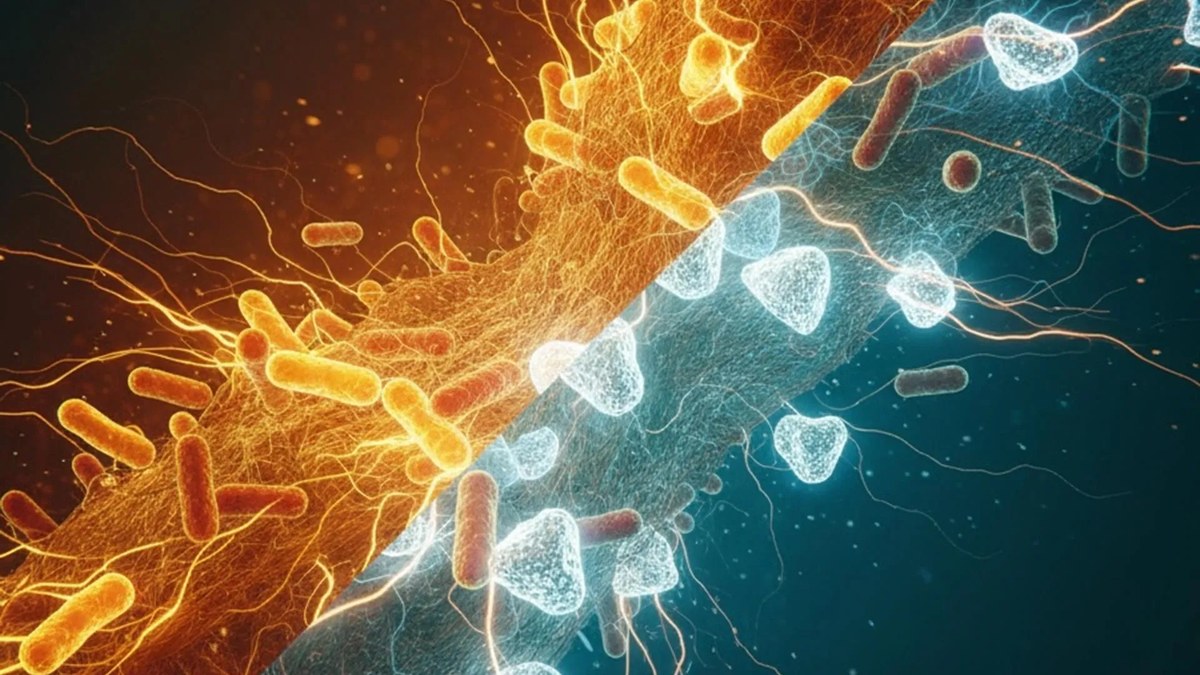
- What happened: Researchers at the University of Minnesota have uncovered a way to curb gum disease by silencing the chemical chatter of harmful plaque bacteria, using lactonase enzymes to break down N‑acyl homoserine lactone signals. The approach preserves beneficial microbes and reshapes the oral microbiome without antibiotics, offering a targeted strategy against periodontal disease.
- Key facts & numbers: University of Minnesota researchers showed that dental plaque bacteria exchange N‑acyl homoserine lactone (AHL) signals across aerobic and anaerobic zones in the mouth. Lactonase enzymes applied to plaque removed AHL signals and increased the proportion of health‑associated bacteria while suppressing disease‑linked species. Mikael Elias described plaque development as a forest, with early colonizers such as Streptococcus and Actinomyces being benign and later “red complex” microbes like Porphyromonas gingivalis driving gum disease.
- What happens next: Imagine a mouthwash that silences bad bacteria without killing the good ones—this lactonase trick could be the next big thing in gum health.
- University of Minnesota researchers showed that dental plaque bacteria exchange N‑acyl homoserine lactone (AHL) signals across aerobic and anaerobic zones in the mouth.
- Lactonase enzymes applied to plaque removed AHL signals and increased the proportion of health‑associated bacteria while suppressing disease‑linked species.
- Mikael Elias described plaque development as a forest, with early colonizers such as Streptococcus and Actinomyces being benign and later “red complex” microbes like Porphyromonas gingivalis driving gum disease.
- Study published in npj Biofilms and Microbiomes on May 8 2026 proposes quorum‑sensing disruption as a non‑antibiotic approach to prevent periodontal disease.
Why It Matters
Patients with periodontal disease gain a targeted therapy that spares beneficial microbes, while pathogenic plaque bacteria lose their growth advantage, potentially reducing reliance on antibiotics and lowering treatment costs for dentists.
Sources Cited
Related Coverage
Ask SkimNews