Connectome‑seq maps synapses at synapse‑level resolution
The 30-Second Skim
- What happened: Researchers at the University of Illinois unveiled Connectome‑seq, an RNA‑barcode sequencing method that maps thousands of mouse brain synapses with single‑synapse precision, promising faster, scalable insights into neural circuitry and disease.
- Key facts & numbers: Connectome‑seq – the new platform assigns each neuron a unique RNA barcode, carries it to synapses, and uses high‑throughput sequencing of barcode pairs to map connections with single‑synapse resolution. Boxuan Zhao – the study leader at the University of Illinois at Urbana‑Champaign said the method can map thousands of neural links simultaneously, a capability absent in existing technologies. University of Illinois at Urbana‑Champaign – researchers used Connectome‑seq to map more than 1,000 neurons in the mouse pontocerebellar circuit, uncovering direct links between cell types not previously known to connect in the adult brain.
- What happens next: The hype focuses on the barcode tech, but the paper really pushes it as a fast way to catch early Alzheimer’s circuit changes.
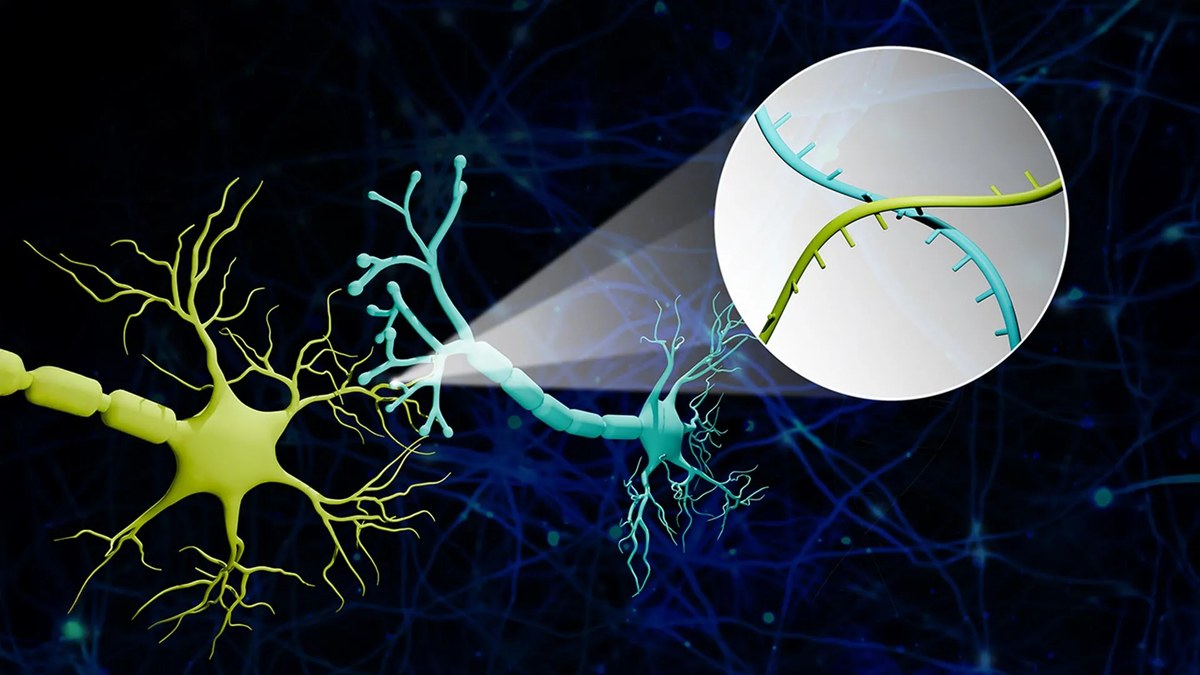
- Connectome‑seq – the new platform assigns each neuron a unique RNA barcode, carries it to synapses, and uses high‑throughput sequencing of barcode pairs to map connections with single‑synapse resolution.
- Boxuan Zhao – the study leader at the University of Illinois at Urbana‑Champaign said the method can map thousands of neural links simultaneously, a capability absent in existing technologies.
- University of Illinois at Urbana‑Champaign – researchers used Connectome‑seq to map more than 1,000 neurons in the mouse pontocerebellar circuit, uncovering direct links between cell types not previously known to connect in the adult brain.
- Nature Methods – the findings were published in the journal, highlighting the technique’s speed and scalability compared with traditional slice‑and‑image approaches.
Why It Matters
The method’s speed and scalability let researchers map neural circuits at scale, enabling direct comparison of healthy and diseased brains and accelerating discovery of early circuit alterations in neurodegenerative disorders. This advantage positions neuroscientists and drug developers to pinpoint vulnerable network nodes before clinical symptoms appear, potentially reshaping therapeutic strategies.
Sources Cited
Related Coverage
Ask SkimNews