Japan Team Inserts Rat Chromosome into Mouse Embryos
The 30-Second Skim
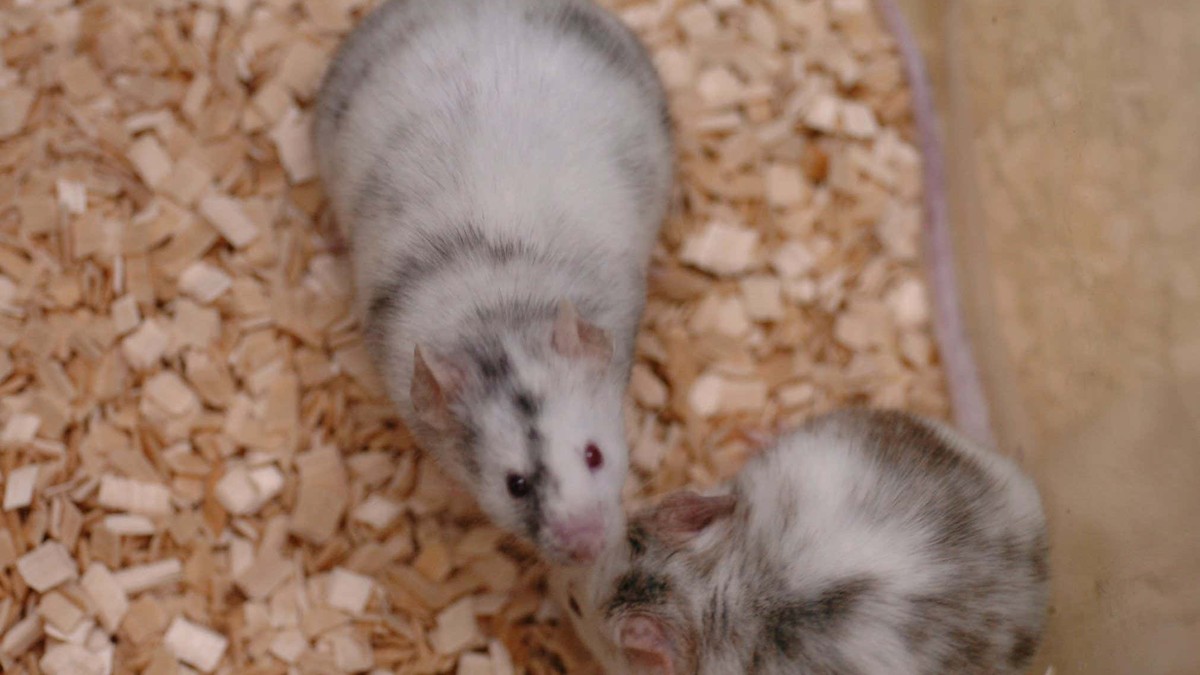
- What happened: Japanese researchers at Yamanashi University have inserted a deep‑frozen rat chromosome into mouse embryos, producing chimeric mice and demonstrating a new way to study extinct‑animal genes in living cells, potentially accelerating conservation research.
- Key facts & numbers: Teruhiko Wakayama and his Yamanashi University team successfully transferred a deep‑frozen rat chromosome into mouse embryonic stem cells, creating chimeric mice whose some cells fluoresce green under UV light. The technique involves nuclear transfer, chromosome condensation, micro‑injection of a single chromosome, and implantation into mouse embryos, a method similar to cloning but adapted for chromosome addition. The researchers have so far only succeeded with rat chromosome 9; attempts to add other chromosomes have halted embryonic development, prompting investigations into gene deactivation strategies.
- What happens next: They just gave mice a rat chromosome – a real‑world test‑bed for resurrecting extinct DNA.
- Teruhiko Wakayama and his Yamanashi University team successfully transferred a deep‑frozen rat chromosome into mouse embryonic stem cells, creating chimeric mice whose some cells fluoresce green under UV light.
- The technique involves nuclear transfer, chromosome condensation, micro‑injection of a single chromosome, and implantation into mouse embryos, a method similar to cloning but adapted for chromosome addition.
- The researchers have so far only succeeded with rat chromosome 9; attempts to add other chromosomes have halted embryonic development, prompting investigations into gene deactivation strategies.
- The team plans to apply the method to elephant cells and potentially mammoth chromosomes, aiming to study extinct animal gene activity in living cells.
Why It Matters
The method gives scientists a tool to test extinct‑animal genes in living cells, advancing de‑extinction and conservation research while revealing technical constraints such as chromosome‑specific developmental toxicity that must be resolved; it also enables study of gene function in species with only frozen tissue, informing strategies for reviving the Hawaiian poʻouli and other extinct birds.
Sources Cited
- New Scientist — A chromosome from a frozen rat has been resurrected inside mice
Related Coverage
Ask SkimNews