Scientists map how flu hijacks cells by dissolving paraspeckles
The 30-Second Skim
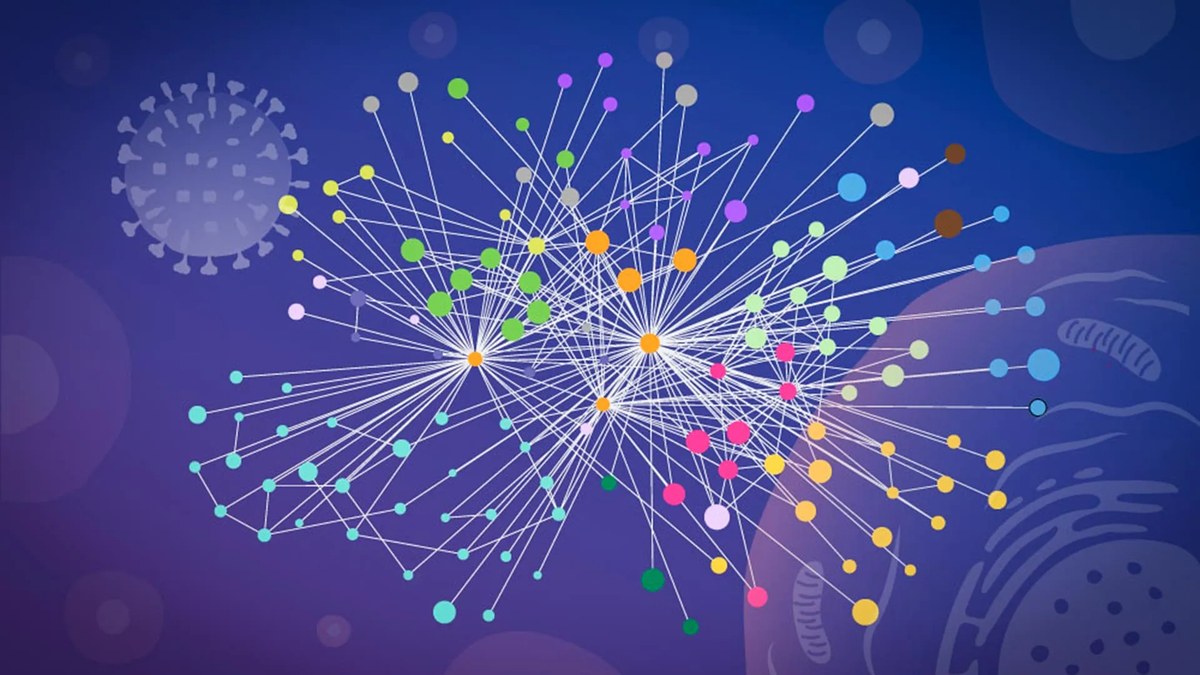
- What happened: Scientists at EMBL produced the first molecular map of direct protein contacts between influenza A and human proteins inside intact infected cells, revealing the virus dissolves nuclear paraspeckles to release proteins it may repurpose for replication.
- Key facts & numbers: EMBL Hamburg team, working with the Leibniz Research Institute (FMP), produced the first large-scale map of direct contacts between influenza A and human proteins inside intact infected cells using a customized cross-linking mass spectrometry (XL-MS) workflow tailored for virus-infected cells. Researchers paired XL-MS data with a modified version of AlphaFold, the Nobel-winning protein structure prediction algorithm, feeding cross-linking constraints directly into structural models — a first for virus-host complexes that previously resisted reliable prediction. The study found that influenza A infection causes paraspeckles — small droplet-like compartments in the cell nucleus — to dissolve consistently across every cell line and flu strain tested, releasing RNA-binding proteins the virus may use to support replication.
- What happens next: The headline says 'molecular map' — the actual bombshell is paraspeckles dissolving. The virus breaks apart structures in your cell nucleus to free up replication resources.
- EMBL Hamburg team, working with the Leibniz Research Institute (FMP), produced the first large-scale map of direct contacts between influenza A and human proteins inside intact infected cells using a customized cross-linking mass spectrometry (XL-MS) workflow tailored for virus-infected cells.
- Researchers paired XL-MS data with a modified version of AlphaFold, the Nobel-winning protein structure prediction algorithm, feeding cross-linking constraints directly into structural models — a first for virus-host complexes that previously resisted reliable prediction.
- The study found that influenza A infection causes paraspeckles — small droplet-like compartments in the cell nucleus — to dissolve consistently across every cell line and flu strain tested, releasing RNA-binding proteins the virus may use to support replication.
- Group leader Jan Kosinski noted paraspeckle disruption may carry a second benefit for the virus: some evidence suggests the structures contribute to cellular stress responses and antiviral gene regulation, so dissolving them could weaken parts of the cell's defense response.
Why It Matters
Most flu drug discovery targets viral surface proteins directly. This EMBL map catalogs, for the first time, the physical contact points where influenza reaches into human cellular machinery inside living cells — including host folding proteins and nuclear paraspeckles. With seasonal flu killing up to 650,000 people annually and H5N1 flagged as the next pandemic concern, those contact points are now concrete, structurally modeled targets for next-generation antivirals.
Sources Cited
- Science Daily — New molecular map reveals how the flu virus hijacks human cells
- EurekAlert! — Scientists map how the flu virus rewires the human cell from the inside
- EdexLive — Study maps the influenza virus's takeover of human cells
- Harvard Medical School — Scientists Create First-Ever ‘Smell Map’
- News-Medical — Molecular map reveals how Down syndrome alters brain development
Related Coverage
Ask SkimNews