Scientists revive a powerful antibiotic that superbugs had defeated
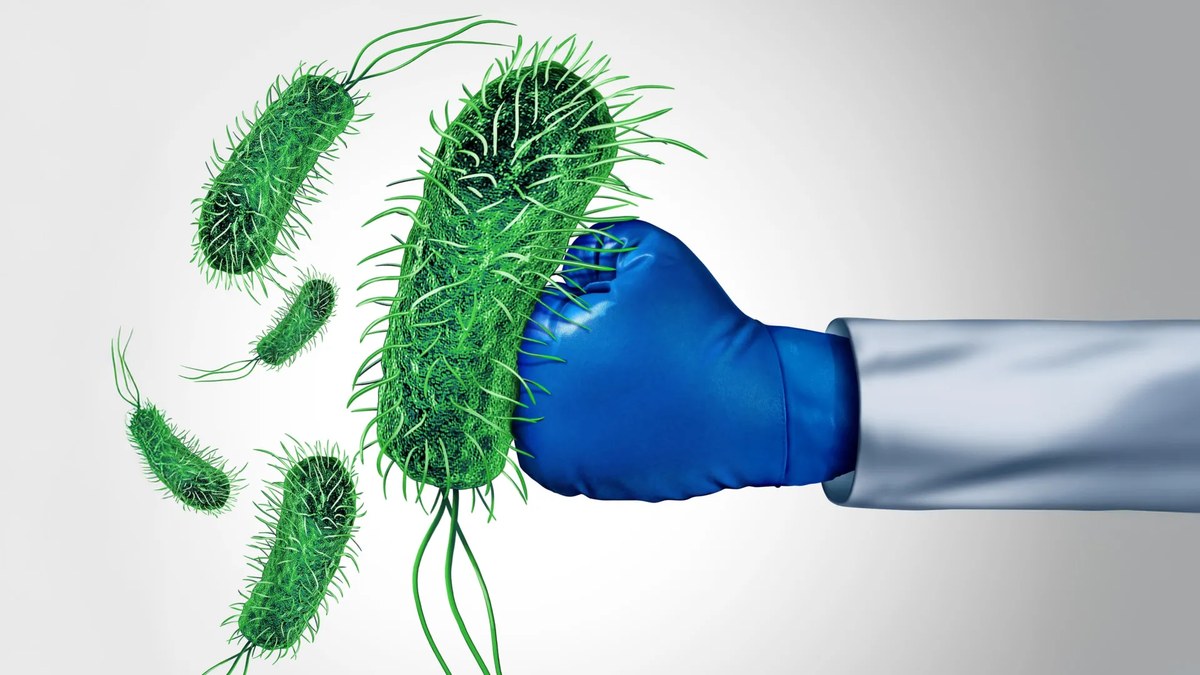
The 30-Second Skim
- What happened: Scientists at Cold Spring Harbor Laboratory and Scripps Research have restored vancomycin's ability to kill drug-resistant E. faecium by combining it with a small molecule called pghi-4 that blocks a resistance-linked bacterial enzyme.
- Key facts & numbers: Cold Spring Harbor Laboratory and Scripps Research restored vancomycin's effectiveness against drug-resistant E. faecium by pairing the antibiotic with pghi-4, a small molecule that blocks the bacterial enzyme secreted antigen A (SagA). pghi-4, first discovered in the Moses laboratory in 2020, does not kill bacteria directly; it acts as an antibiotic adjuvant that rehabilitates a failing drug rather than replacing it. Professor John Moses said the discovery came from fundamental chemistry research rather than a targeted antibiotic hunt, noting his lab's diversity oriented clicking (DOC) technique produced a library of more than 150 compounds that have now fed both resistance and cancer research.
- What happens next: Plot twist: pghi-4 wasn't designed to fight superbugs — it fell out of basic click chemistry. The real story is that resurrecting old antibiotics may beat inventing new ones.
- Cold Spring Harbor Laboratory and Scripps Research restored vancomycin's effectiveness against drug-resistant E. faecium by pairing the antibiotic with pghi-4, a small molecule that blocks the bacterial enzyme secreted antigen A (SagA).
- pghi-4, first discovered in the Moses laboratory in 2020, does not kill bacteria directly; it acts as an antibiotic adjuvant that rehabilitates a failing drug rather than replacing it.
- Professor John Moses said the discovery came from fundamental chemistry research rather than a targeted antibiotic hunt, noting his lab's diversity oriented clicking (DOC) technique produced a library of more than 150 compounds that have now fed both resistance and cancer research.
- Vancomycin is a frontline treatment for severe infections including MRSA and Clostridium difficile, both of which can develop resistance and spread through hospitals, nursing homes, and communities.
Why It Matters
Vancomycin-resistant enterococci are a documented hospital-spread threat that complicates treatment of severe infections including MRSA and C. difficile. By showing an existing drug can be rehabilitated rather than replaced, the work gives drug-discovery teams a concrete adjuvant template and a shared 150-plus compound library to test against other resistant pathogens, including tuberculosis.
Sources Cited
Related Coverage
Ask SkimNews