Scientists uncover 3 key brain pathways linked to lasting depression relief
The 30-Second Skim
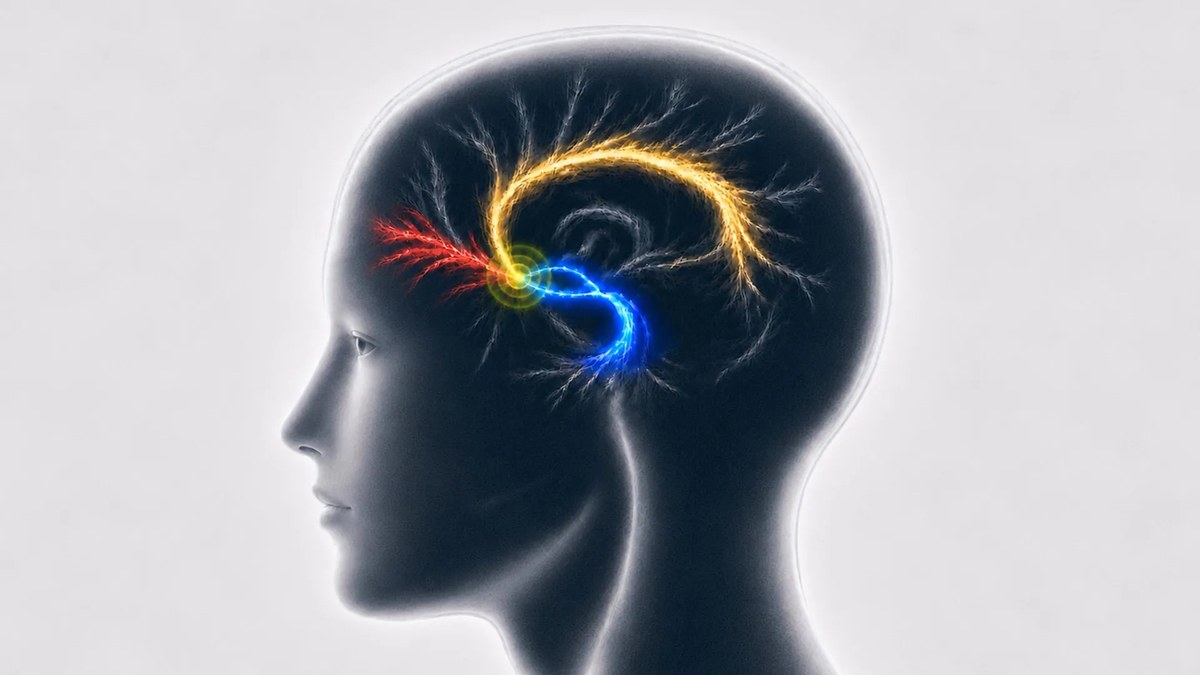
- What happened: Mount Sinai researchers have identified three white matter brain pathways consistently linked to lasting improvement in patients receiving deep brain stimulation for treatment-resistant depression, with non-responders showing a distinct pattern of missed engagement in one key connection.
- Key facts & numbers: Mount Sinai scientists identified three white matter pathways—the cingulum bundle, forceps minor, and medial uncinate fasciculus/ventral amygdalofugal pathways—consistently linked to lasting improvement in patients receiving subcallosal cingulate deep brain stimulation (SCC DBS) for treatment-resistant depression. The study, published October 1 in the American Journal of Psychiatry, examined the largest cohort of SCC DBS patients assembled across multiple independent sites to date, drawing on the BROADEN trial and a University of Toronto patient cohort. Non-responders shared a distinct pattern: patients who failed to improve after two years showed insufficient stimulation of the left cingulum bundle, suggesting electrodes placed in the correct general region can still miss the connections that drive recovery.
- What happens next: The twist: maybe it's not the surgery failing non-responders—it's a single missed white matter connection. Millimeters literally decide who gets relief.
- Mount Sinai scientists identified three white matter pathways—the cingulum bundle, forceps minor, and medial uncinate fasciculus/ventral amygdalofugal pathways—consistently linked to lasting improvement in patients receiving subcallosal cingulate deep brain stimulation (SCC DBS) for treatment-resistant depression.
- The study, published October 1 in the American Journal of Psychiatry, examined the largest cohort of SCC DBS patients assembled across multiple independent sites to date, drawing on the BROADEN trial and a University of Toronto patient cohort.
- Non-responders shared a distinct pattern: patients who failed to improve after two years showed insufficient stimulation of the left cingulum bundle, suggesting electrodes placed in the correct general region can still miss the connections that drive recovery.
- Brian Kopell, MD, Director of Mount Sinai's Center for Neuromodulation, said the study reframes DBS targeting from "which area to stimulate" to "which connections within that area need to be engaged," noting millimeters can determine whether intended pathways are reached.
Why It Matters
For patients with severe, treatment-resistant depression, the study reframes DBS non-response from a treatment failure to a targeting problem—electrodes may land in the right neighborhood but miss the three specific white matter connections that drive lasting relief. If connectome-guided placement holds up, it could directly shape how ongoing trials like Abbott's TRANSCEND select surgical candidates and verify lead position.
Sources Cited
- Science Daily — Scientists uncover 3 key brain pathways linked to lasting depression relief
- SciTechDaily — Alzheimer’s Breakthrough: Scientists Discover Key Protein May Prevent Toxic Protein Clumps in the Brain
- News-Medical — Gut microbes may drive memory decline during aging by disrupting vagal brain signaling
Related Coverage
Ask SkimNews