Next-Gen GLP-1 Drugs May Widen Global Access Gap
The 30-Second Skim
- What happened: Newer GLP-1 obesity drugs may soon spark global inequities in access, as lower-cost generics emerge and pharmaceutical companies race to develop more effective versions, warns a health policy expert.
- Key facts & numbers: Ken Shadlen warns that newer GLP-1 drugs for obesity could become the next global battleground over medicine access, particularly affecting lower-income countries Novo Nordisk markets semaglutide as Wegovy for obesity treatment, setting a high-cost benchmark as generics begin entering markets Generic manufacturers are launching lower-cost versions of semaglutide in some countries, with availability expected to expand soon
- What happens next: Everyone’s hyped on next-gen weight-loss drugs—but the real story is who gets locked out. Generics help, but the next wave may repeat old access gaps.
- Ken Shadlen warns that newer GLP-1 drugs for obesity could become the next global battleground over medicine access, particularly affecting lower-income countries
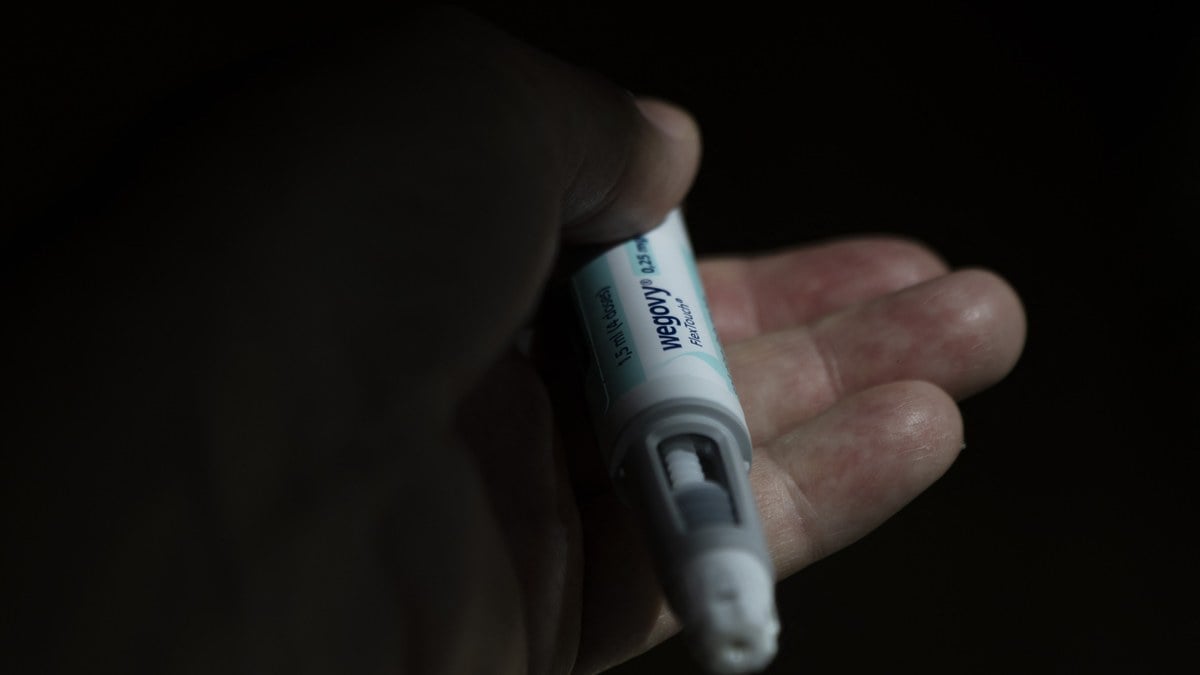
- Novo Nordisk markets semaglutide as Wegovy for obesity treatment, setting a high-cost benchmark as generics begin entering markets
- Generic manufacturers are launching lower-cost versions of semaglutide in some countries, with availability expected to expand soon
- Pharmaceutical companies are developing next-generation GLP-1 drugs projected to be more effective, easier to use, and with fewer side effects
Why It Matters
As newer, improved GLP-1 drugs advance, patients in lower-income countries risk being left behind due to pricing and distribution patterns seen with Wegovy, while generic semaglutide offers only a partial solution. This could deepen global health inequities in chronic disease treatment.
Sources Cited
Related Coverage
Ask SkimNews