Stem Cell Transplants Restore Movement After Stroke in Mice
The 30-Second Skim
- What happened: Researchers at the University of Zurich demonstrated that human neural stem cell transplants can regenerate stroke-damaged brain tissue and restore lost motor function in mice, publishing their findings in Nature Communications.
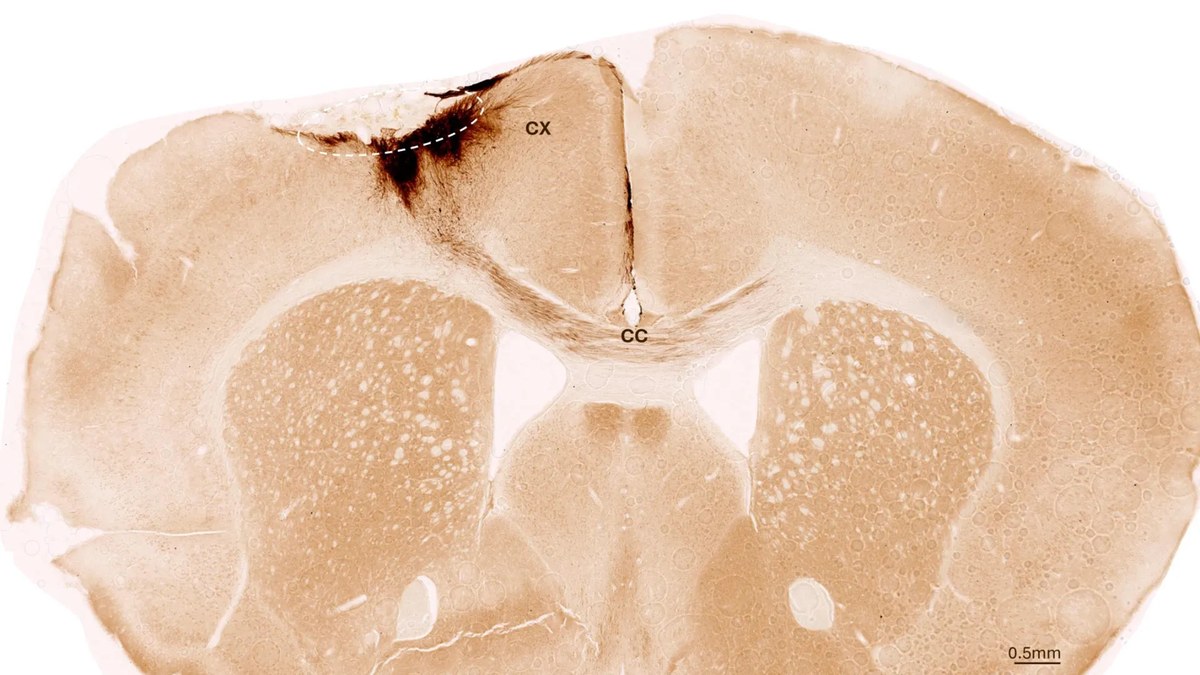
- Key facts & numbers: University of Zurich researchers led by Christian Tackenberg and postdoctoral researcher Rebecca Weber found that transplanted human neural stem cells regenerated stroke-damaged brain tissue and reversed motor impairments in mice. The transplanted cells — derived from induced pluripotent stem cells — survived the full five-week analysis period, transformed into neurons, and communicated with the animals' existing brain cells. Beyond replacing lost neurons, the treatment triggered broader healing: new blood vessels formed in damaged tissue, inflammation eased, and integrity of the blood-brain barrier improved.
- What happens next: Buried finding: waiting a week worked BETTER than immediate transplant. That's the detail that actually changes how a hospital would deploy this.
- University of Zurich researchers led by Christian Tackenberg and postdoctoral researcher Rebecca Weber found that transplanted human neural stem cells regenerated stroke-damaged brain tissue and reversed motor impairments in mice.
- The transplanted cells — derived from induced pluripotent stem cells — survived the full five-week analysis period, transformed into neurons, and communicated with the animals' existing brain cells.
- Beyond replacing lost neurons, the treatment triggered broader healing: new blood vessels formed in damaged tissue, inflammation eased, and integrity of the blood-brain barrier improved.
- Researchers discovered that delaying transplantation to one week after a stroke worked better than immediate delivery, a timing insight that could make eventual clinical use far more practical.
Why It Matters
About one in four adults suffers a stroke in their lifetime, and roughly half are left with lasting disabilities — yet no current treatment rebuilds damaged brain tissue. If the one-week post-stroke timing finding holds in humans, hospitals could integrate this therapy without needing immediate emergency delivery, opening a regenerative option for a patient population that today has none.
Sources Cited
- Science Daily — Stem cells reverse stroke damage and restore movement in mice
Related Coverage
Ask SkimNews