Study of 3,700 Dream Reports Shows Brain Rewrites Reality
The 30-Second Skim7 points
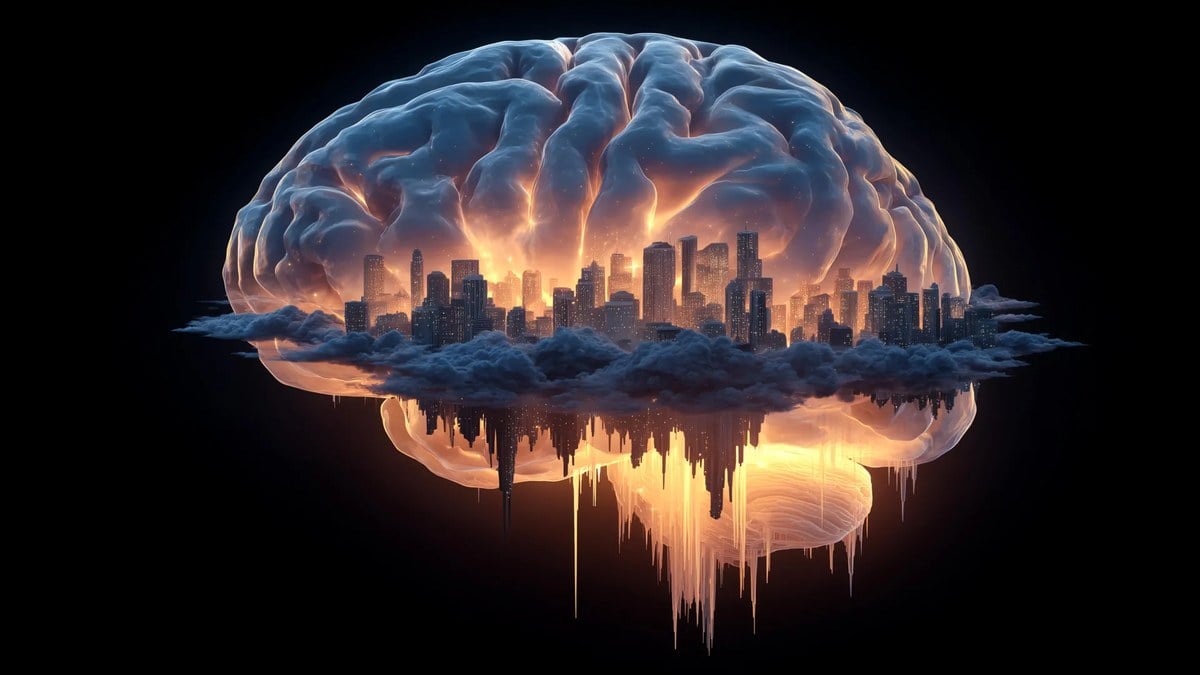
- What happenedA study of more than 3,700 dream reports from 287 adults found that dreams are not random but are shaped by personality traits, sleep quality, and external events like the COVID-19 pandemic, with the brain reorganizing waking experiences into new scenarios rather than replaying them.
- Key facts & numbersIMT School for Advanced Studies Lucca researchers analyzed more than 3,700 dream and waking-life reports from 287 adults aged 18 to 70 over a two-week period, finding dream content was shaped by personality traits, mind-wandering tendency, sleep quality, and external events. Valentina Elce, lead author, said the findings show dreams are 'a dynamic process shaped by who we are and what we live through' rather than random noise or simple replays of the prior day. Familiar settings such as workplaces, hospitals, and classrooms appeared in dreams merged with unrelated places, shifting viewpoints, or unfamiliar surroundings — evidence that the sleeping mind reorganizes rather than reproduces daily experience.
- What happens nextYour lockdown dreams weren't just you — pandemic stress left a measurable fingerprint in 3,700+ dream reports, and it faded over time.
- IMT School for Advanced Studies Lucca researchers analyzed more than 3,700 dream and waking-life reports from 287 adults aged 18 to 70 over a two-week period, finding dream content was shaped by personality traits, mind-wandering tendency, sleep quality, and external events.
- Valentina Elce, lead author, said the findings show dreams are 'a dynamic process shaped by who we are and what we live through' rather than random noise or simple replays of the prior day.
- Familiar settings such as workplaces, hospitals, and classrooms appeared in dreams merged with unrelated places, shifting viewpoints, or unfamiliar surroundings — evidence that the sleeping mind reorganizes rather than reproduces daily experience.
- Participants prone to mind-wandering reported dreams that shifted rapidly between scenes and felt fragmented, while those who placed greater personal meaning on dreaming described richer, more immersive and perceptually vivid experiences.
Why It Matters
By demonstrating that NLP can extract structure from written dream reports at near-human accuracy, the study offers researchers a scalable tool for probing how the sleeping mind processes memory, emotion, and major life disruptions — and gives mental-health and consciousness researchers a way to study dream content across far larger populations than was previously feasible.
Sources Cited
- Tech ExploristDreams may mean more than we thought
Related Coverage
Ask SkimNews
The day’s news in one short email, every morning.
Free. One email a day. Unsubscribe in one click.