Study reveals 117-year-old's biology shows aging and youth coexist
The 30-Second Skim
- What happened: A comprehensive multi-omic study of Maria Branyas, who lived past 117, reveals that extreme longevity involves both pronounced signs of aging and powerful biological protection at the same time, offering the first clear look at aging itself separated from disease.
- Key facts & numbers: Researchers led by Dr. Manel Esteller at the Josep Carreras Leukaemia Research Institute published the final peer-reviewed multi-omic analysis of Maria Branyas, a Catalan woman who lived past 117, in Cell Reports Medicine. The study combined genomic, proteomic, epigenomic, metabolomic, and microbiomic technologies — described as the most comprehensive biological investigation yet conducted on a supercentenarian. Branyas's biology showed what Esteller called a "fascinating duality": very short telomeres, a pro-inflammatory immune profile, and aged B lymphocytes alongside neuroprotective and cardioprotective genetic features, low inflammation, a bifidobacteria-dominated gut microbiome, and an epigenetic biological age younger than her chronological age.
- What happens next: The wild paradox: at 117, her telomeres were shot and her immune system read inflamed — yet her epigenetic age tested younger than her real age. Aging isn't one dial.
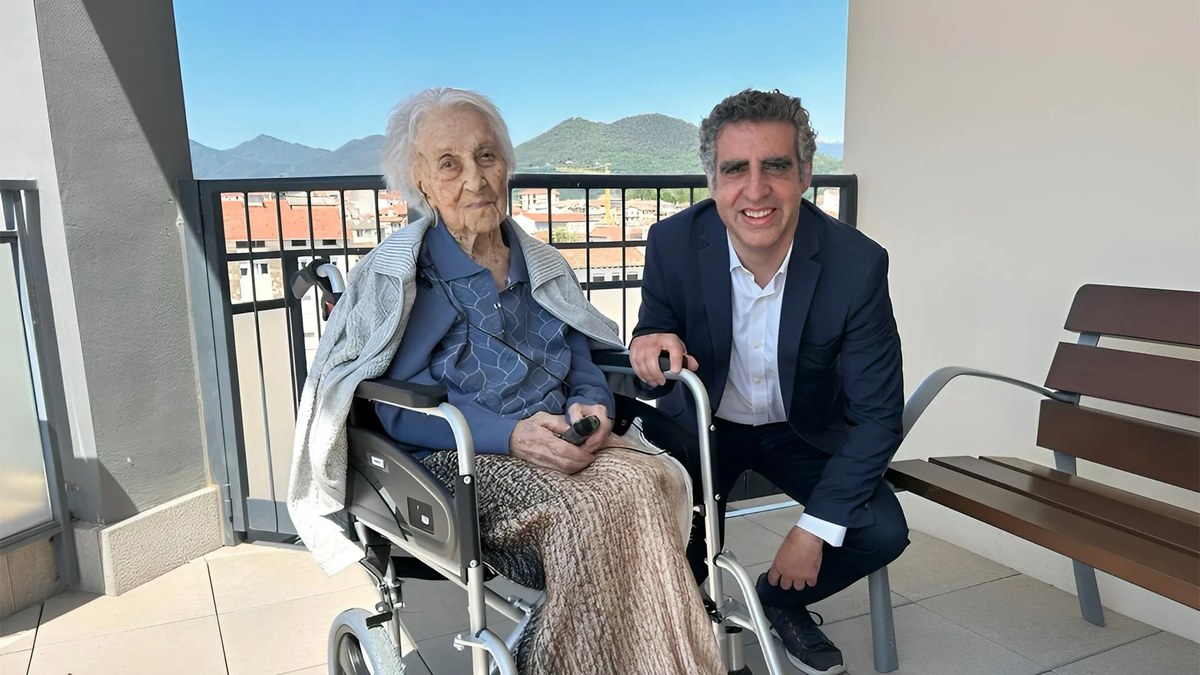
- Researchers led by Dr. Manel Esteller at the Josep Carreras Leukaemia Research Institute published the final peer-reviewed multi-omic analysis of Maria Branyas, a Catalan woman who lived past 117, in Cell Reports Medicine.
- The study combined genomic, proteomic, epigenomic, metabolomic, and microbiomic technologies — described as the most comprehensive biological investigation yet conducted on a supercentenarian.
- Branyas's biology showed what Esteller called a "fascinating duality": very short telomeres, a pro-inflammatory immune profile, and aged B lymphocytes alongside neuroprotective and cardioprotective genetic features, low inflammation, a bifidobacteria-dominated gut microbiome, and an epigenetic biological age younger than her chronological age.
- Because Branyas avoided major disease, the study gave researchers the first opportunity to examine aging itself with minimal interference from illness in a person of such extreme age.
Why It Matters
For aging researchers, this study supplies a new reference blueprint of what extreme human longevity looks like at the molecular level — and because Branyas escaped major disease, it isolates aging from its usual confounders. The blood-system findings have direct implications for understanding why some older adults develop leukemia and related cancers.
Sources Cited
Related Coverage
Ask SkimNews