NIH forces UCSD to cut Tijuana from syphilis study
The 30-Second Skim7 points
- What happenedUCSD researchers have identified active syphilis in roughly 10% of unhoused San Diego participants in their latest study, even as NIH restrictions forced them to drop cross-border Tijuana research and a national penicillin shortage complicates treatment.
- Key facts & numbersUCSD researchers found 8 of 81 unhoused study participants — roughly 10% — had active syphilis since March, cases that might otherwise have gone undiagnosed and untreated. NIH told the UCSD team that international collaboration was "no longer a priority" and would only fund the study if the Tijuana portion of their proposal was removed. Intramuscular penicillin was out of stock at the county clinic, forcing study participant GB onto a twice-daily oral antibiotic regimen for 30 days instead of the standard injection.
- What happens nextNIH quietly ended cross-border infectious disease surveillance at the busiest land port in the Western Hemisphere — and almost no one is talking about it.
- UCSD researchers found 8 of 81 unhoused study participants — roughly 10% — had active syphilis since March, cases that might otherwise have gone undiagnosed and untreated.
- NIH told the UCSD team that international collaboration was "no longer a priority" and would only fund the study if the Tijuana portion of their proposal was removed.
- Intramuscular penicillin was out of stock at the county clinic, forcing study participant GB onto a twice-daily oral antibiotic regimen for 30 days instead of the standard injection.
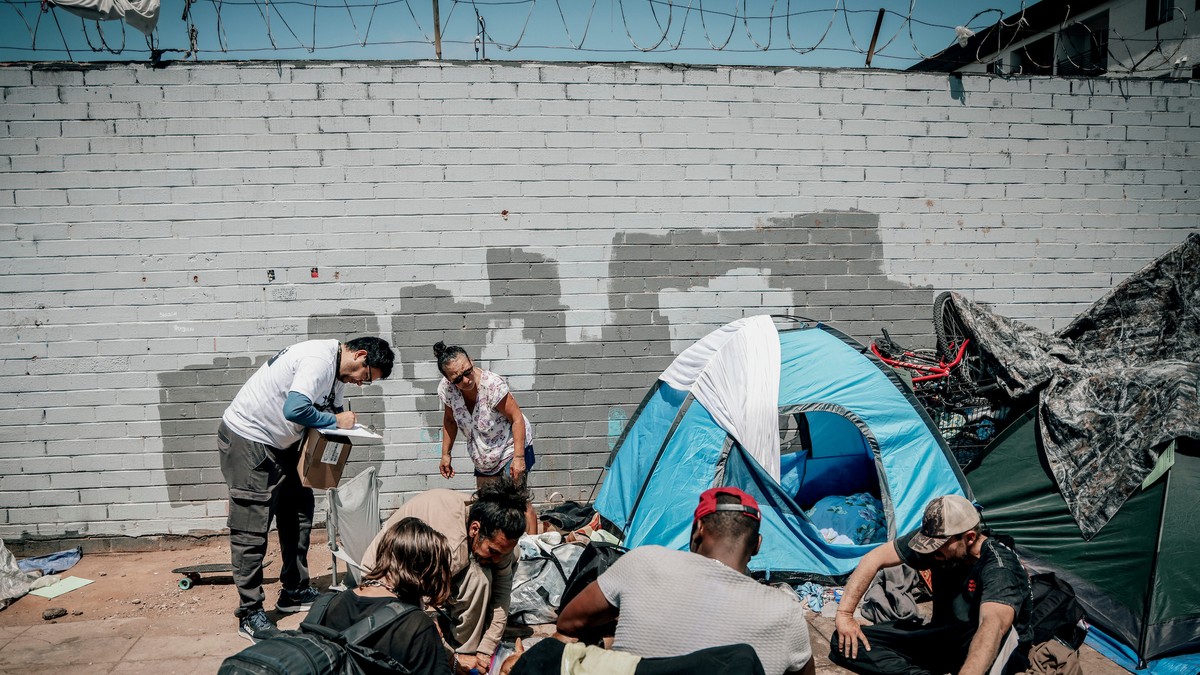
- Police encampment sweeps routinely destroy participants' belongings, including daily HIV, diabetes and depression medications and overdose-reversing naloxone.
Why It Matters
With national syphilis data from 2024 nearly two years old and Tijuana surveillance effectively cut by NIH, unhoused patients are essentially invisible to public health. The penicillin shortage makes even confirmed cases hard to cure — a 30-day oral antibiotic regimen is nearly impossible to complete from a tent.
Background & Timeline
- ContextThe simultaneous erosion of cross-border surveillance capacity and first-line treatment availability is occurring just as infection rates climb among populations least likely to access care through formal channels.
Sources Cited
Related Coverage
Ask SkimNews
The day’s news in one short email, every morning.
Free. One email a day. Unsubscribe in one click.