UT Austin patch speeds REM sleep by 43 minutes
The 30-Second Skim7 points
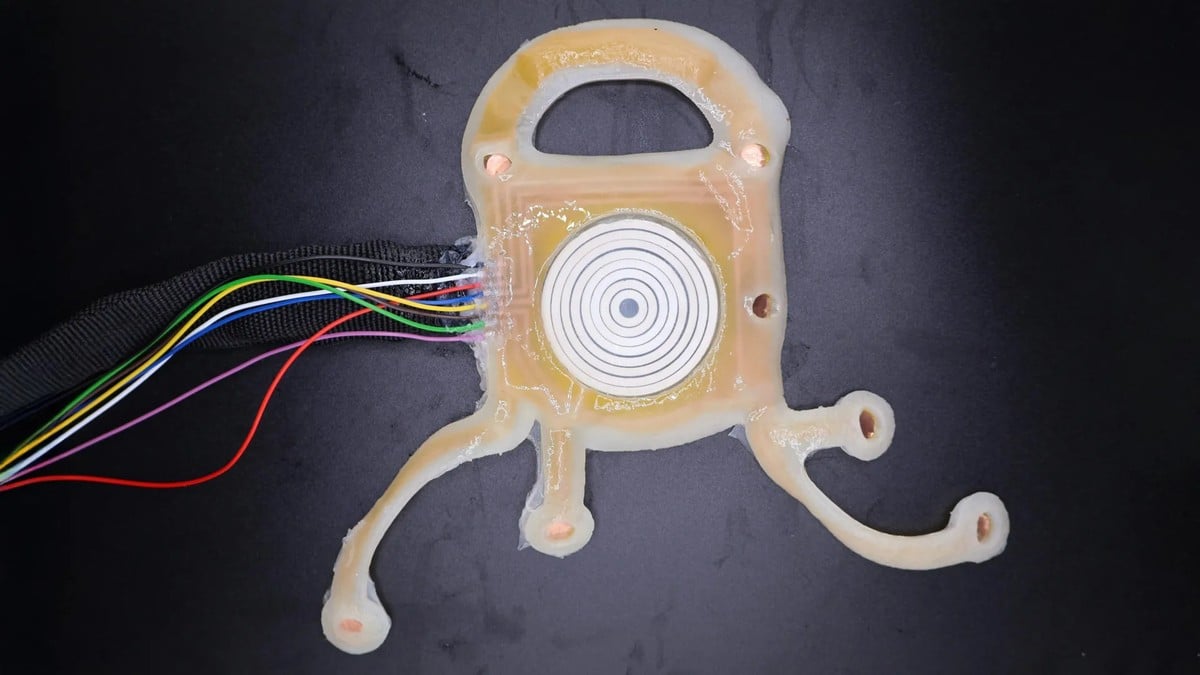
- What happenedUniversity of Texas at Austin researchers developed NEUSLeeP, a soft skin-attached patch that uses ultrasound to stimulate deep brain regions and help people reach REM sleep faster and stay there longer without medication.
- Key facts & numbersNEUSLeeP patch combines gentle ultrasound stimulation with electrodes that track brain activity in real time, enabling it to influence deep brain regions involved in REM sleep while simultaneously monitoring the brain's response. Study of 28 participants published in Nature Communications found users entered REM sleep 43 minutes sooner and remained in that stage about 16 minutes longer, with benefits reported in both healthy sleepers and those with some sleep difficulties. Lead researcher Kai Wing "Kevin" Tang, a recent UT biomedical engineering Ph.D. graduate, said the device marks the first time researchers have noninvasively targeted deep REM-related brain regions while monitoring brain activity at the same time.
- What happens nextA skin sticker that ultrasound-zaps your brain into deeper REM — sounds sci-fi, but the 43-min faster REM entry in a real Nature Communications trial is wild.
- NEUSLeeP patch combines gentle ultrasound stimulation with electrodes that track brain activity in real time, enabling it to influence deep brain regions involved in REM sleep while simultaneously monitoring the brain's response.
- Study of 28 participants published in Nature Communications found users entered REM sleep 43 minutes sooner and remained in that stage about 16 minutes longer, with benefits reported in both healthy sleepers and those with some sleep difficulties.
- Lead researcher Kai Wing "Kevin" Tang, a recent UT biomedical engineering Ph.D. graduate, said the device marks the first time researchers have noninvasively targeted deep REM-related brain regions while monitoring brain activity at the same time.
- Healthy participants showed increased heart rate variability — a marker of stress adaptation — and brain imaging revealed changes in emotion-linked circuits, which co-PI Gregory Fonzo of Dell Medical School said suggests the device may support emotional reset and resilience.
Why It Matters
For the millions whose REM disruptions are tied to depression, anxiety, and PTSD and who rely on sleep medications with side effects, a noninvasive patch that both stimulates and monitors deep brain activity would represent a first-of-its-kind home alternative — if larger trials confirm the 28-person results.
Background & Timeline
- ContextBy reaching deep brain regions without surgery, ultrasound neuromodulation undercuts the surgical-implant paradigm that has defined deep brain stimulation for decades, shifting the practical bottleneck toward acoustic targeting precision.
Sources Cited
- Sleep ReviewUltrasound Patch Aims to Boost REM Sleep
Related Coverage
Ask SkimNews
The day’s news in one short email, every morning.
Free. One email a day. Unsubscribe in one click.