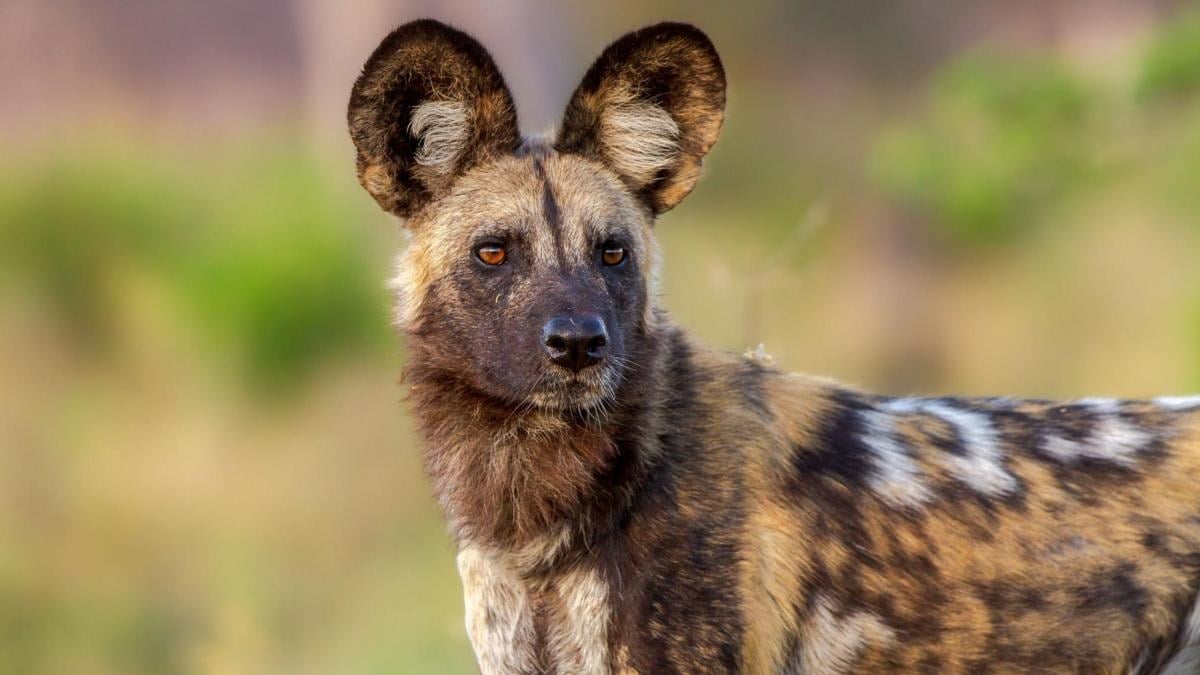
Wild dogs complete record 2,485-mile mate trek
The 30-Second Skim7 points
- What happenedThree brother African wild dogs completed a record 2,485-mile dispersal across Zambia — the longest mate-seeking journey ever tracked in an African land mammal — though other GPS-collared pack members died in illegal snares along the way.
- Key facts & numbersThree brother African wild dogs completed a 2,485-mile (4,000km) trek across Zambia over eight months, zigzagging roughly 10 times the 260-mile straight-line distance between wildlife strongholds Researchers identified it as the longest recorded dispersal — a one-way search for a mate — by any African land mammal, suggesting wild dog populations across eastern and southern Africa may remain more connected than conservationists previously believed Three sister wild dogs attempting a similar dispersal stopped when one was caught in a snare; two of three females in the study ultimately died, with surviving pack members repeatedly returning to the same location — a behavior that typically signals a companion's death
- What happens nextThe record trek made headlines — but two of three females died in snares on the same kind of journey. BBC ran it with the same celebratory frame.
- Three brother African wild dogs completed a 2,485-mile (4,000km) trek across Zambia over eight months, zigzagging roughly 10 times the 260-mile straight-line distance between wildlife strongholds
- Researchers identified it as the longest recorded dispersal — a one-way search for a mate — by any African land mammal, suggesting wild dog populations across eastern and southern Africa may remain more connected than conservationists previously believed
- Three sister wild dogs attempting a similar dispersal stopped when one was caught in a snare; two of three females in the study ultimately died, with surviving pack members repeatedly returning to the same location — a behavior that typically signals a companion's death
- Lead author Scott Creel of Montana State University, who has studied African wild dogs since 1991, framed the findings as cautious optimism but warned 'the glass is half empty and the glass is half full' given the threat of poaching snares
Why It Matters
For the roughly 6,000 remaining African wild dogs — which cannot breed within their birth pack — successful long-distance dispersal is genetically existential, and this GPS evidence suggests fragmented populations across eastern and southern Africa may still be linked. But with two of three tracked females killed by snares, the researchers' 'half-empty glass' warning underscores that connectivity only matters if wildlife survive the corridors between reserves.
Sources Cited
Related Coverage
Ask SkimNews
The day’s news in one short email, every morning.
Free. One email a day. Unsubscribe in one click.