Tarkine Tour Uncovers a Fungal Kingdom Still Mostly Unmapped — SkimNews

Get the Health newsletter
Daily health & science — research, biotech, public health, the studies worth knowing. Free.
- Dr Alison Pouliot, a mycologist, leads a three-day fungi workshop in Takayna/Tarkine, north-west Tasmania, joined by toxicologists, botanists and ecologists foraging from the eco-village of Corinna
- Fungi were given their own kingdom only about 50 years ago after being long classified as plants, with researchers estimating 2-3 million species exist of which just over 205,000 have been identified
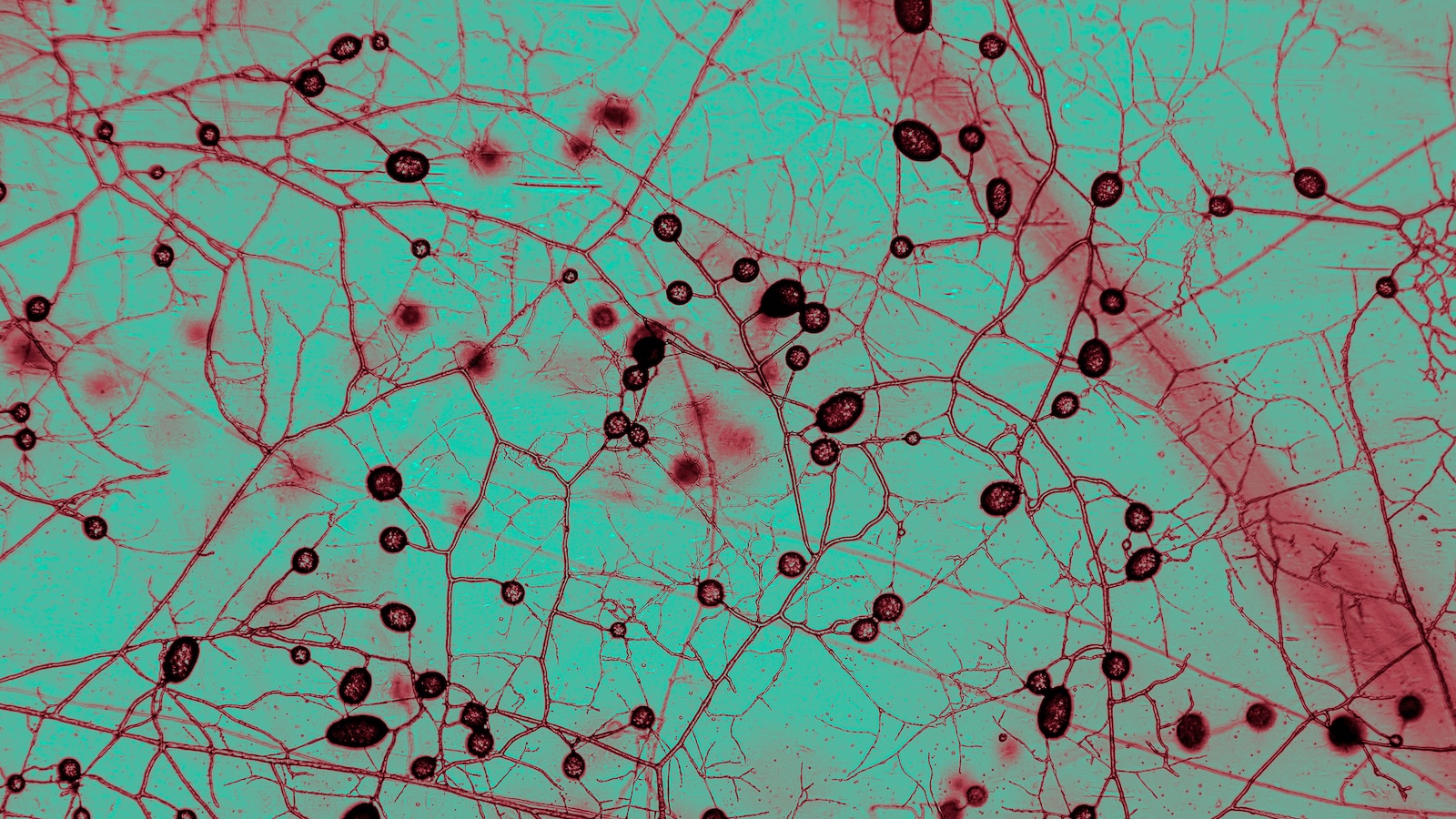
- The global mycelium network spans 100 quadrillion kilometres and forms life-sustaining symbiotic relationships with up to 70% of plant species on the planet
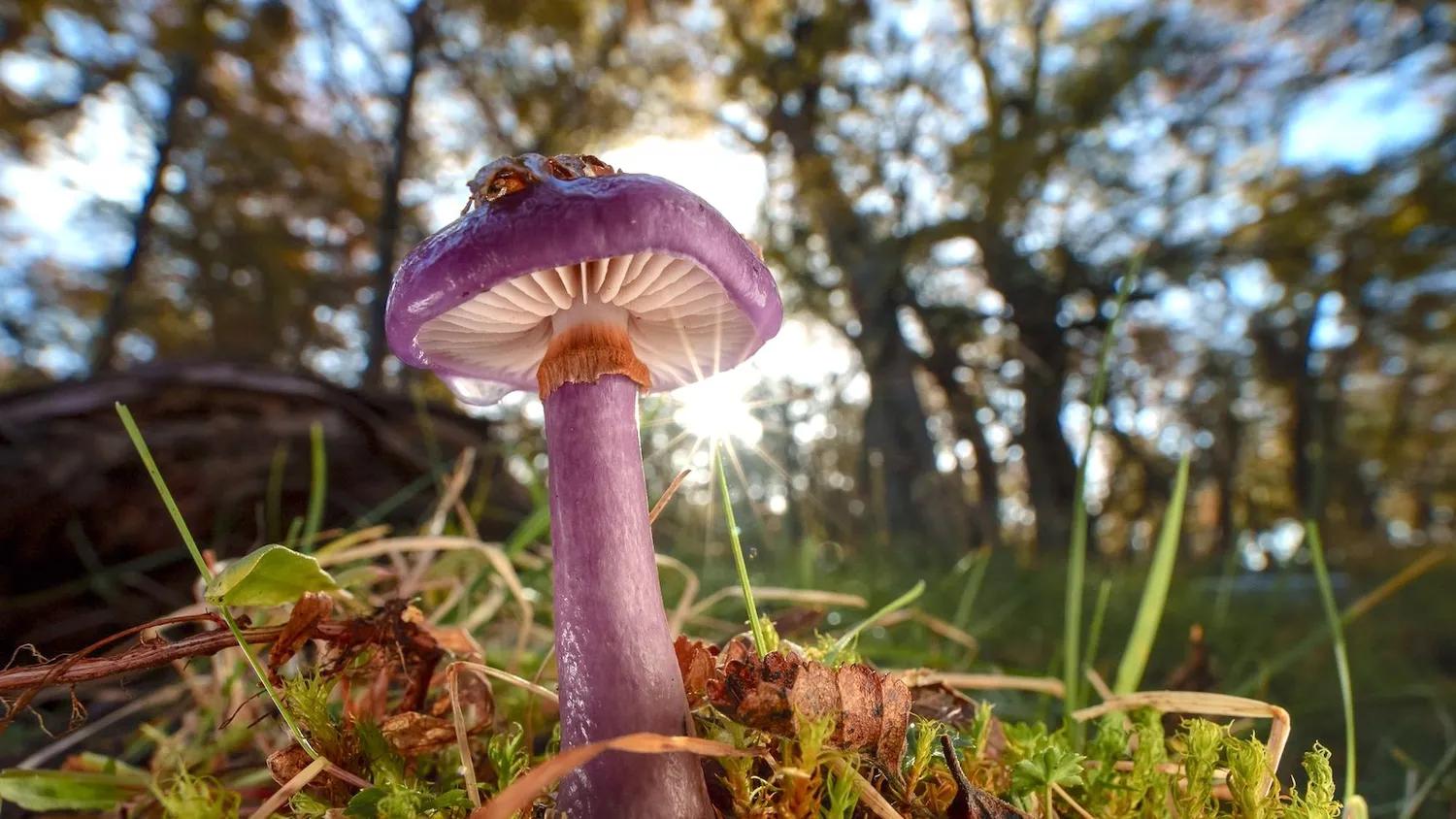
- Species spotted on the workshop ranged from delicate blue pixie's parasols and fields of ruby bonnets to slime-covered earth tongues, giant bracket fungi the size of dinner plates, and echidna fungi with thousands of spiky teeth
- A single fungal specimen in Oregon covers more than 9 sq km and weighs as much as 30,000 tonnes, cited by Pouliot to illustrate fungi's invisible scale
- The Tarkine landscape, which has sheltered life for 65 million years, hosts 2,000-year-old Huon pines and freshwater crayfish reaching almost a metre long
- Pouliot and attendees expressed frustration that fungi remain undervalued, noting there is no agreed-upon collective noun for fungi as opposed to mushrooms
Why it matters: The piece reframes fungi from a niche foraging interest to an essential ecological kingdom — one where just over 205,000 of an estimated 2-3 million species have been formally identified, meaning the overwhelming majority of fungal life is unknown to science despite sustaining symbiotic relationships with up to 70% of plant species and underpinning entire forests.
Ask SkimNews