Finance·7,556 stories
Finance News
Today’s brief
Yields Do the Sorting
This week, the bond market delivered a verdict AI bulls can't dismiss: a global yield surge to multidecade highs, anchored by a U.S. 10-year that briefly touched 5.365% — its highest since April 2002 — and a $6 billion Treasury buyback that failed to ease the pressure. The S&P 500 retreated from records while TSMC and Samsung logged historic quarters, exposing a market split increasingly sorted by who can absorb higher rates.
The 10-year briefly touched 5.365% — its highest since April 2002 — and a $6 billion Treasury buyback expansion failed to ease long-end pressure. Stanley Druckenmiller drew the parallel to the trade that broke the Bank of England in 1992, while the pain bled into Asian equities, RBI floating-rate borrowers, and any portfolio holding both stocks and Treasuries. For once, the usual stock-bond hedge didn't fire; it blew up on both ends.
Cramer named the split: a 10-year at 5.365% punishes the S&P 500 wherever AI mega-caps aren't, while AI names dragged the index back to records. TSMC posted a 51% Q3 revenue surge on chip demand; Samsung crossed 100 trillion won in operating profit for the first time. Constellation Brands' softening beer volumes are proof the same yield surge rewarding AI's capex pipeline is quietly crashing 2026's earlier winners in every other corner of the market.
The Federal Reserve's own minutes reveal what public messaging hid: officials are split on rate-hike logic, even with a unanimous September hike and the door open to more. Traders are pricing yields through the buyback ceiling to 24-year highs while the Fed refuses to commit to a calendar. Until it picks a lane between 'another hike' and 'no commitment,' Treasury markets will keep supplying the volatility the equity market is sorting itself around.
The same AI buildout powering TSMC's record quarter is now surfacing as debt strain across Asia and as collateral on Wall Street prime-brokerage desks. Five outlets flagged AI-driven bond pressure the same week Ripple bought Hidden Road to take a slice of $256 billion in leveraged-ETF financing. Solidigm's targeted $100 billion 2027 IPO — with parent SK Hynix (NASDAQ: SKHY) feeding NAND into AI storage — and the $2 trillion valuation floated for Anthropic show the trade mutating from pure growth into infrastructure for leverage.

Dalio Warns Stock Cushion Against Bond Yields Is Shrinking
Billionaire investor Ray Dalio warned Thursday that the relative-return advantage equities have enjoyed over bonds is eroding fast, with credit spreads already widening and the global bond bear market
Stock futures edge higher after OpenAI's revenue report prompts tech sector turmoil: Live updates - CNBC
OpenAI's annualized revenue came in roughly $20 billion below expectations, rattling tech stocks even as the company projected $70 billion in annualized revenue by the end of 2026.

Nvidia-backed AI data centre firm scraps landmark listing over market fears
Firmus, the Nvidia-backed AI data centre operator, abandoned what would have been one of Australia's largest-ever IPOs, citing market volatility after major investor UniSuper publicly rejected the $30

Nvidia-backed Aussie AI firm Firmus withdraws historic IPO, citing market volatility
Firmus, a Nvidia-backed Australian AI data center operator, has withdrawn what would have been Australia's second-largest IPO, citing market volatility and the board's view that proposed terms underva

Australian data centre operator pulls $5bn IPO - Financial Times
Nvidia-backed Australian AI data centre operator Firmus has scrapped its planned $5 billion IPO, with coverage noting the listing imploded within five days amid rising AI valuation concerns.

Pepsi shares rallied despite cutting profit guidance. Where Cramer stands on the stock now - CNBC
PepsiCo cut its profit guidance yet its shares rallied, and CNBC's Jim Cramer weighed in on the stock amid broader coverage flagging activist-investor deadlines and GLP-1 drug pressure on snacks.

Starbucks Explored Chipotle Takeover
Starbucks has reportedly explored a takeover of Chipotle Mexican Grill that would combine the second- and seventh-largest U.S. restaurant chains, but analysts peg the odds of a completed deal at just
Citrini: Tokenization Platforms Could Outperform Bitcoin
A new Citrini Research report argues that Wall Street’s move to tokenize stocks, bonds, and loans could create bigger crypto winners than bitcoin or ether, spotlighting fee-generating platforms and to
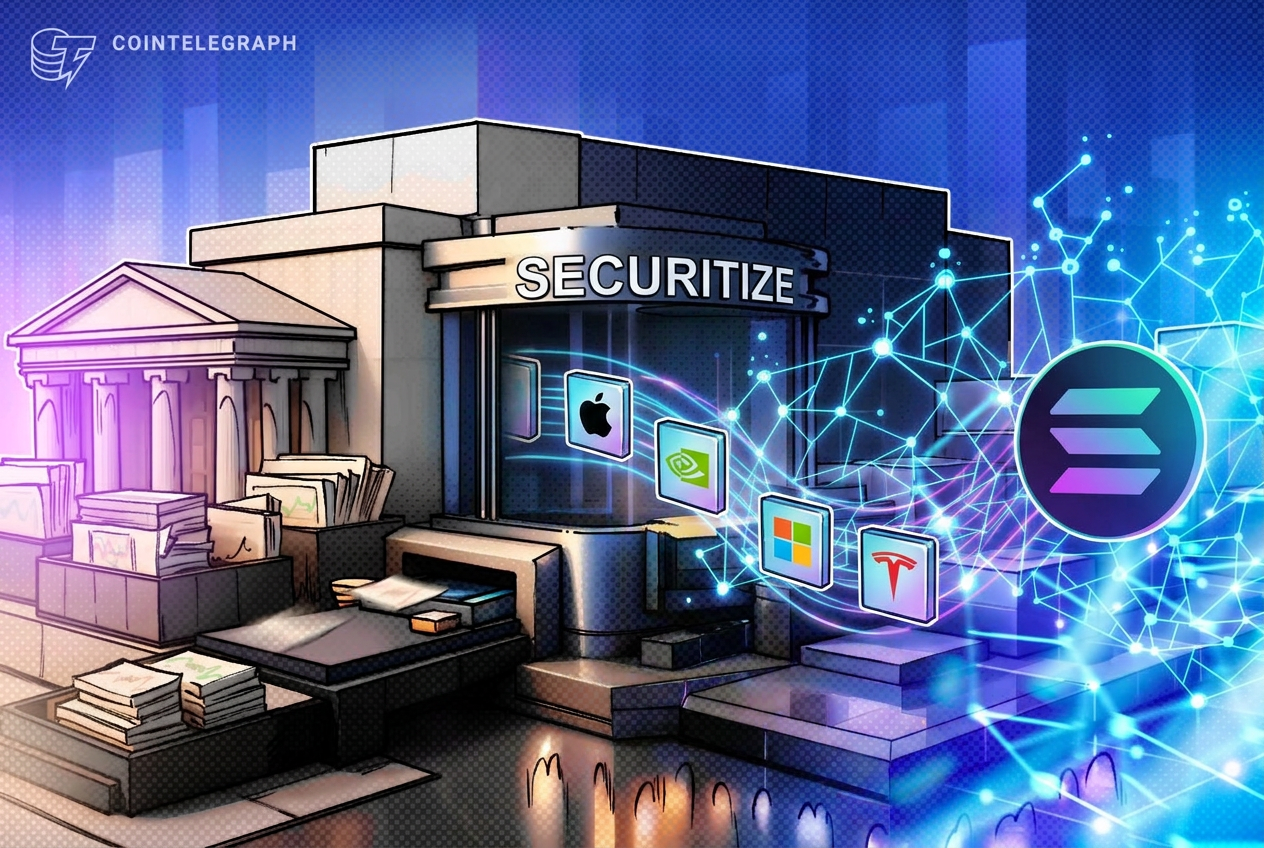
Securitize Launches Apple, Nvidia, Tesla Stocks on Solana
Securitize launched tokenized U.S. equities on the Solana blockchain, enabling onchain trading of stocks like Apple, Nvidia, and Tesla with USDC settlement and plans for 24/7 trading and expanded use

OpenAI’s revenue is reportedly $20 billion less than previously projected
OpenAI has told investors its annualized revenue is approaching $50 billion, roughly $20 billion less than the ~$70 billion figure previously circulated and used by investors to benchmark against riva

Kalshi: 87% Odds Gas Stays Above $4 on Election Day
Kalshi prediction markets put 87% odds on the AAA national gas average staying above $4 per gallon through Election Day, with diesel projected above $6 — squeezing consumers in key Senate battleground
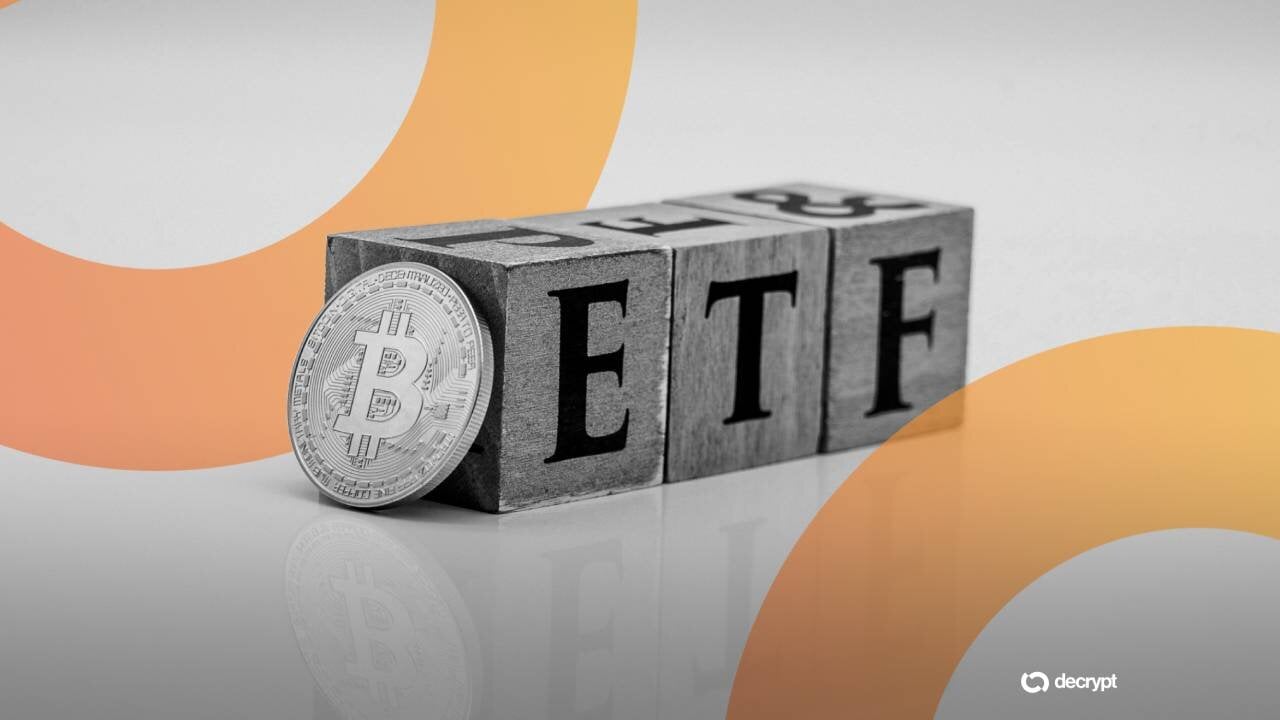
Bitcoin ETFs Suffer Worst Loss Since June as Uptober Turns Red
Bitcoin ETFs lost $484.9 million on October 7 — their worst single-day outflow since June — as a 5.7% 30-year Treasury yield, near-$100 Brent crude, and hawkish Fed minutes pushed institutional money

NY Fed: Tariffs Added 2.9 Points to Consumer Prices
New York Fed researchers found that Trump-era tariffs added 2.9 percentage points to prices across 67 everyday-goods categories, with elevated costs expected to linger into 2027.

The Block's 2026 GCCI Profiles South Korea's Crypto Market
The Block's Global Crypto Competitiveness Index profiles South Korea's crypto market in its 2026 country report, reframing evaluation around regulatory and business environment rather than raw demand

RBI repo rate at 5.50%: Another 50 bps hike likely by March 2027 — which debt mutual funds suit 3–18 month horizons?
RBI's 25-bps repo rate hike to 5.50% prompted Kotak Mutual Fund to project another 50 bps of tightening to 6% by March 2027, with fund-specific picks mapped to 3-, 12-, and 18-month horizons.

The Fed's going to take its time with rate hikes
The Federal Reserve is likely to deliver a couple more interest rate hikes but is in no rush to do so, according to the latest communications from the central bank.

India’s rate hike a loud warning shot for Modinomics
India's central bank broke a nearly four-year rate-hike drought, acting against the backdrop of inflation pounding Asia's third-biggest economy and a rupee at record lows.
Get the Finance newsletter
Curated finance stories, every morning. Free.
No spam. Unsubscribe anytime.