Wisk Aero Sued Over Rushed eVTOL Software Testing — SkimNews
Get the Energy newsletter
Daily energy & climate — solar, EVs, oil, the policy fights and tech bets shaping the transition. Free.
- Briahna O'Neill, Wisk Aero's former Supervisor of Systems Engineering and Product Security, alleges in a lawsuit that the aircraft's vehicle management system (VMS) contained "known defects" and "spaghetti code" that had not gone through unit testing or root-cause analysis required under DO-178C.
- O'Neill's complaint claims Wisk leadership pressed the team to cut testing further to preserve a May 2025 deadline for the Gen 6 eVTOL's first flight, and that she was fired on March 31, 2025 — 12 days after filing an internal safety report and 10 days after raising concerns with the company's head of safety.
- Wisk Aero terminated O'Neill citing an "environment that hinders collaboration" and "program delays," a justification her lawsuit frames as retaliation under California Labor Code sections 1102.5 (whistleblower protection) and 6310 (anti-retaliation for reporting unsafe conditions).
- The case is scheduled for a case management conference on December 2, 2026 at Santa Clara County Superior Court.
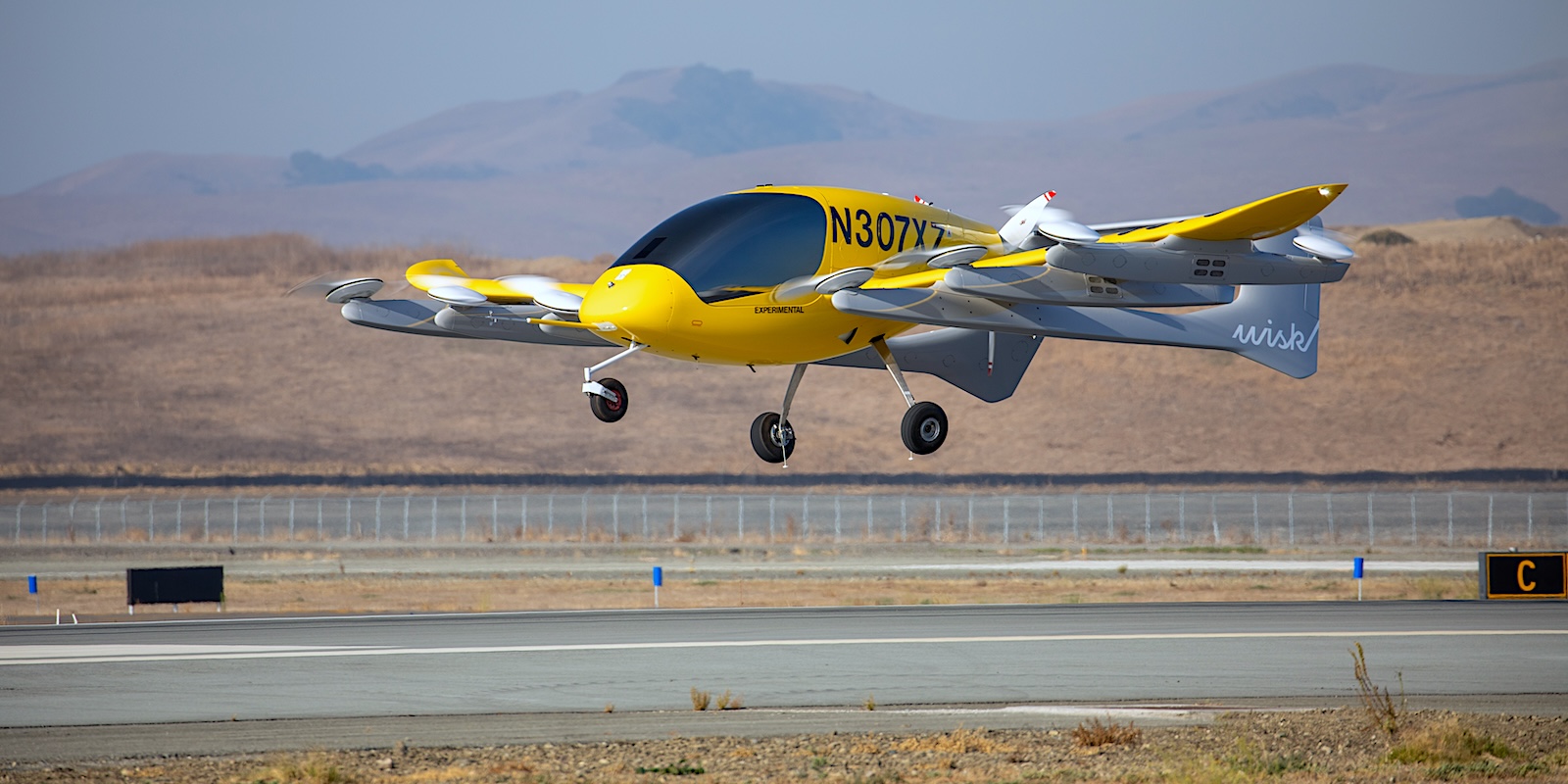
- Wisk's Gen 6 autonomous eVTOL ultimately achieved first flight in December 2025 at the company's Hollister, California test facility — roughly seven months later than the May deadline the lawsuit alleges testing was being rushed to protect.
- Brian Yutko, Boeing Commercial Airplanes VP of Product Development and Chairman of Wisk's Board, defended the engineering methods as a "valuable source of insight for Boeing."
Why it matters: Wisk is one of the highest-profile autonomous eVTOL programs, with Boeing publicly holding a board chair seat on it. A whistleblower lawsuit alleging DO-178C testing was skipped to hit a deadline, and that the internal reporter was fired for raising it, puts both the company's FAA certification case and Boeing's reputational exposure directly on the table ahead of a December 2026 court date.
Ask SkimNews