California's $3,500 EV Rebate Excludes Tesla via HQ Rule — SkimNews
Get the Energy newsletter
Daily energy & climate — solar, EVs, oil, the policy fights and tech bets shaping the transition. Free.
- California Governor Gavin Newsom signed SB 168 creating the "MyFirstEV" program, offering a $3,500 instant point-of-sale rebate for first-time EV buyers starting this summer, backed by $135.5 million in state funding matched dollar-for-dollar by participating automakers.
- The $50,000 MSRP price cap is waived entirely for California-headquartered, EV-only automakers — a carve-out that lets Rivian (starting ~$58,000) and Lucid (starting ~$71,000) collect the full $3,500 on vehicles well above the standard cap.
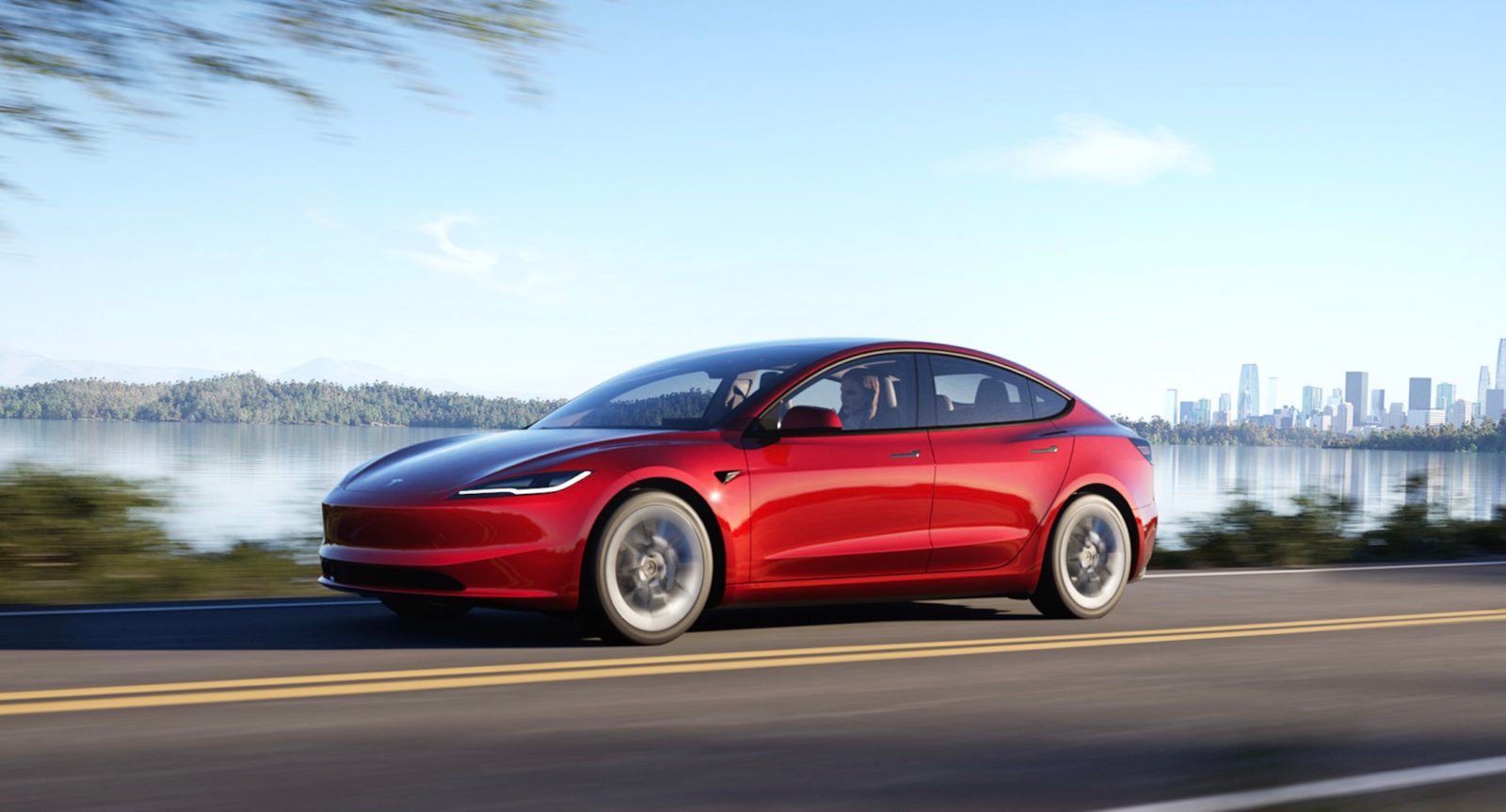
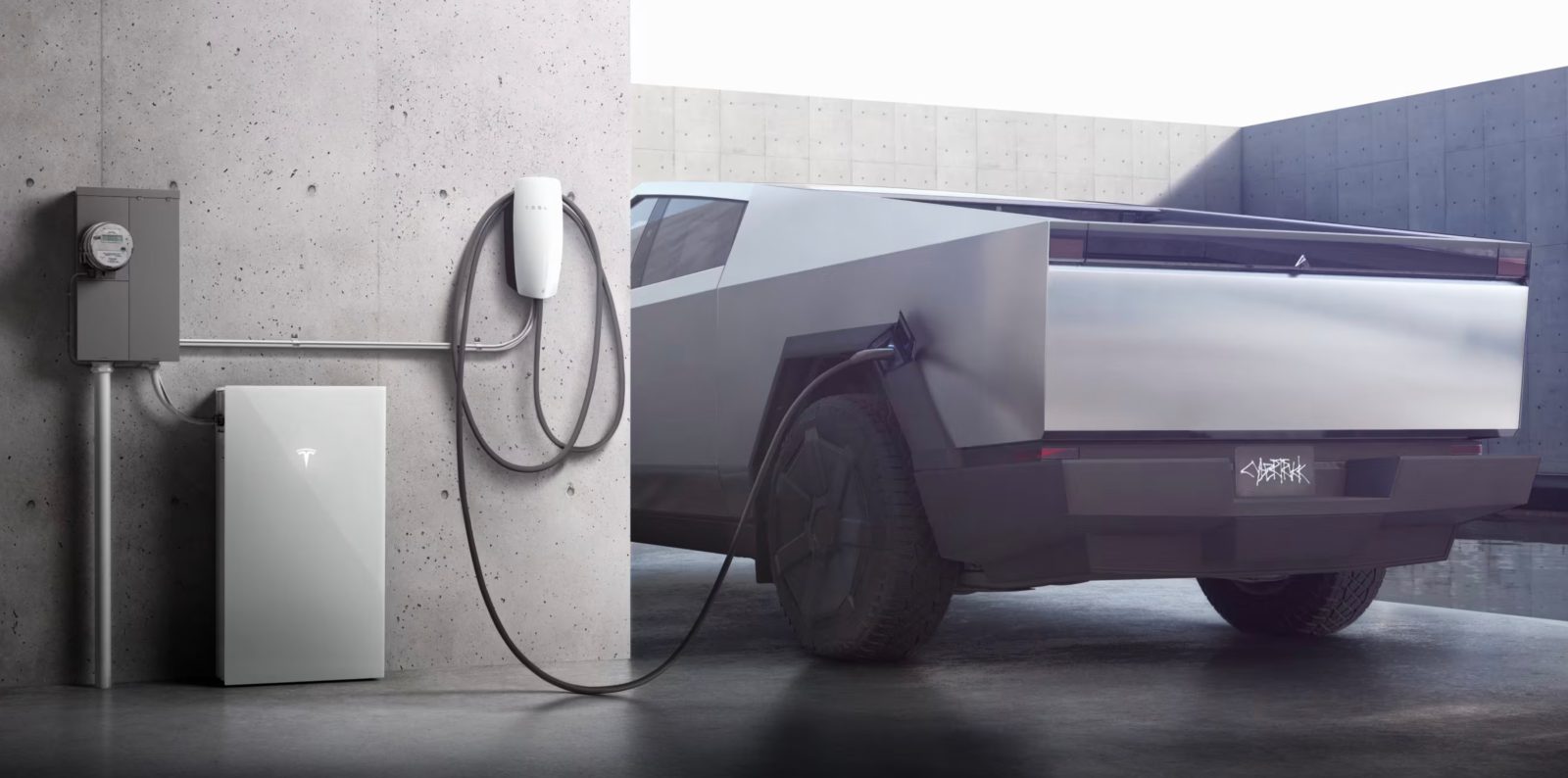
- Tesla no longer qualifies as a California-headquartered automaker after relocating to Austin in 2021, so only its sub-$50,000 Model 3 and Model Y configurations are eligible — the Cybertruck is excluded entirely.
- The instant rebate replaces California's old application-based Clean Vehicle Rebate Project with no income cap, gating eligibility solely by vehicle price (up to $50,000 new, $25,000 used) and using point-of-sale discount rather than a post-purchase tax credit.
- The $600 million ZEV package in the 2026-27 state budget also includes $150M for the Community Air Protection Program, $135.5M for the Clean Truck and Bus Voucher Incentive Project (HVIP), $130M for Carl Moyer heavy-duty engine replacements, and $19.8M for Clean Cars 4 All.
- California's EV market share fell from roughly 25% of new car sales a year ago to 15.7% in Q1 2026 — well below the state's 35% target — after Congress repealed the $7,500 federal EV tax credit last September, with US EV sales down at least 20% in H1 2026.
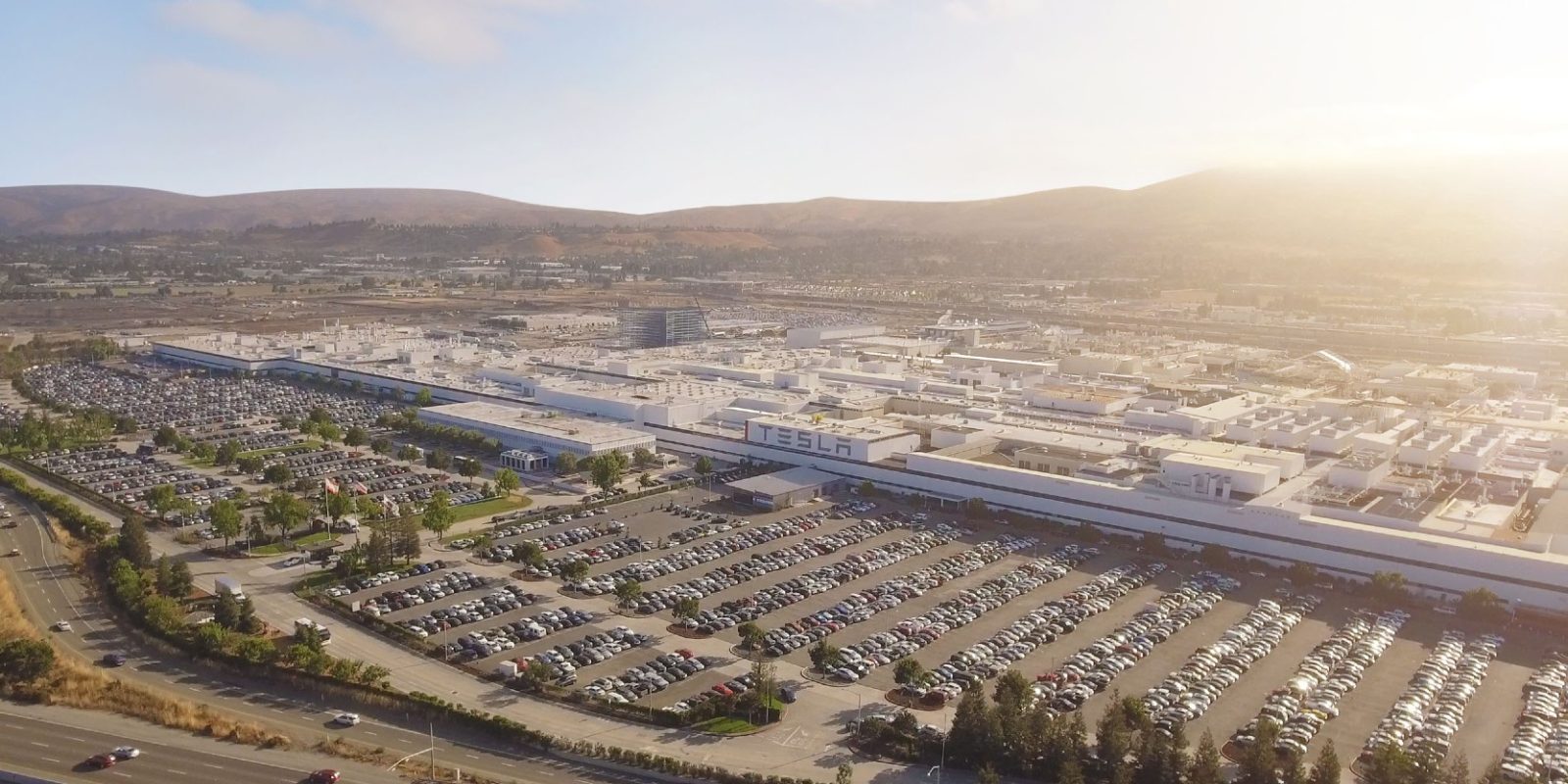
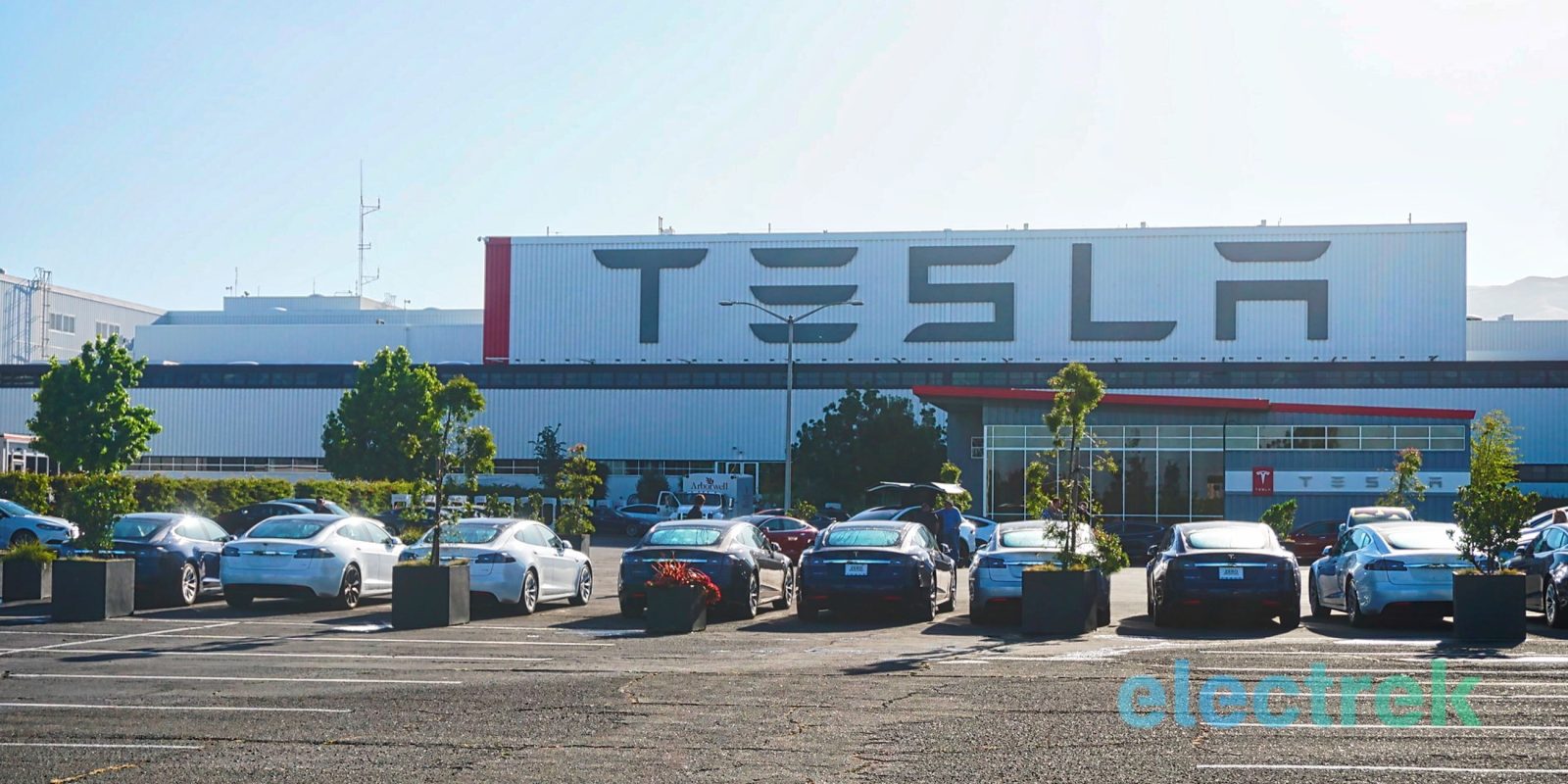
- Electrek criticizes the HQ loophole, noting that Tesla's Fremont plant employs thousands and assembles more EVs in California than anyone, while Rivian builds in Illinois and Lucid in Arizona — arguing the carve-out rewards "corporate flag" location over actual in-state manufacturing.
Why it matters: First-time EV buyers gain an immediate $3,500 off any qualifying vehicle under $50K — shrinking the gap on a Chevy Bolt (under $30K) or Hyundai Ioniq 5 (~$35K) by 10-12% — while Rivian and Lucid shoppers get an exemption no Tesla buyer receives. The headquarters carve-out is pointedly political: Tesla still assembles hundreds of thousands of vehicles a year at its Fremont plant but is locked out of the exemption solely for relocating its corporate flag, and the article flags a decent legal challenge Tesla could mount.
Ask SkimNews