Anwar's Johor Revenue Dilemma Heads Into State Poll — SkimNews

Get the Geopolitics newsletter
Daily geopolitics — wars, elections, sanctions, the diplomatic moves that move markets. Free.
- Johor's regent Tunku Ismail Sultan Ibrahim claimed the state contributes approximately RM48 billion (US$11.8 billion) in tax revenue annually but receives only about RM1.4 billion, or less than 3%, from the federal budget — a figure that has become a rallying point ahead of the July 11 state poll.
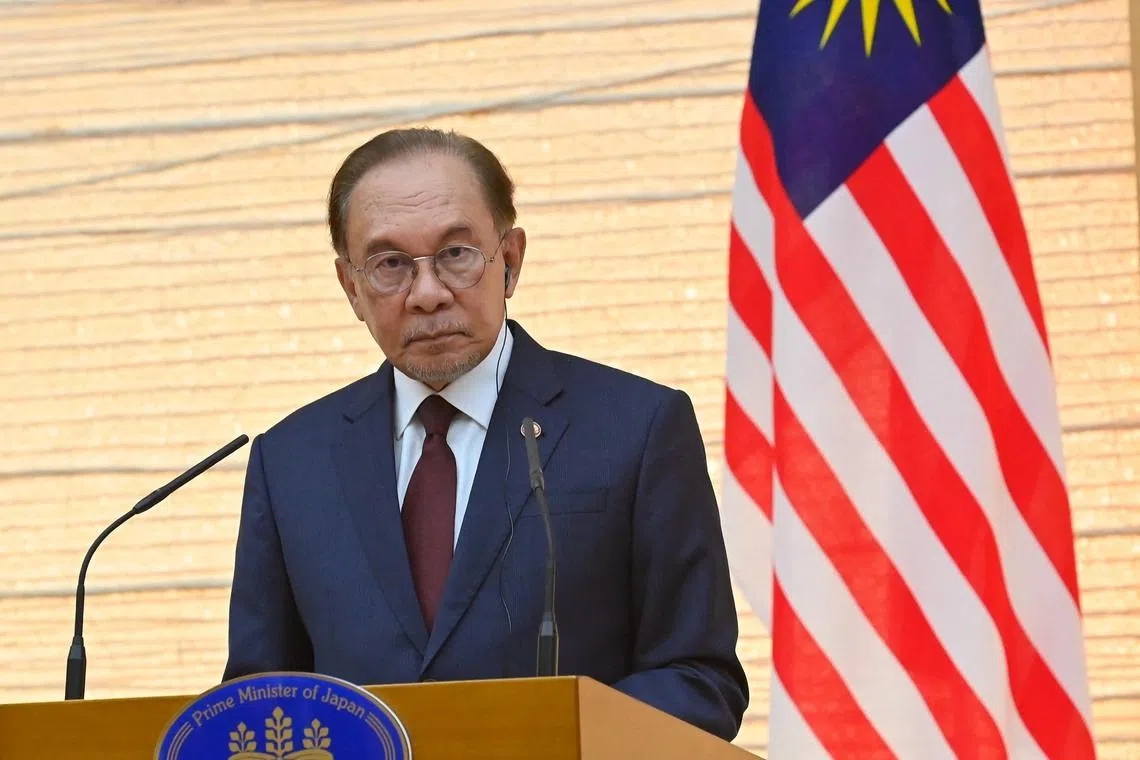
- PM Anwar Ibrahim countered in June that Putrajaya had returned RM16 billion to Johor against RM14 billion contributed, but Tunku Ismail rebutted that only RM2–3 billion of that flows directly to the state, with the rest tied to federal-controlled project spending.
- Johor is seeking the kind of larger federal revenue share and special economic status long demanded by Sarawak and Sabah, but unlike the Borneo states it lacks the constitutional leverage of the 1963 Malaysia Agreement or the 1974 Petroleum Development Act.
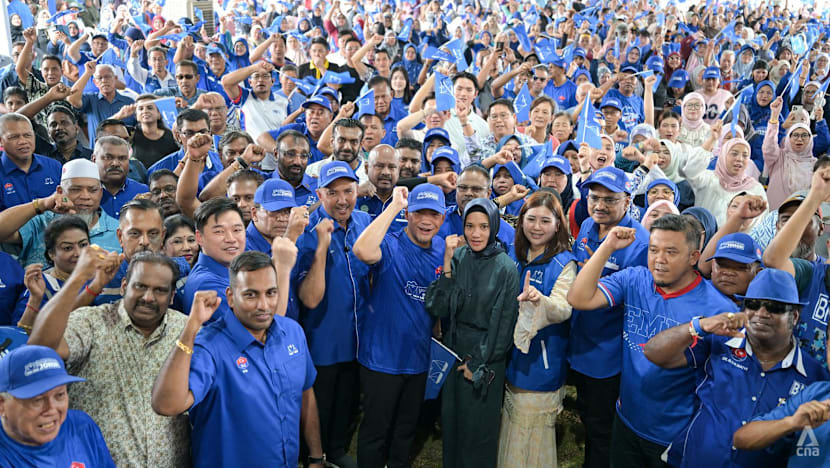
- Anwar's Pakatan Harapan coalition depends on UMNO-led Barisan Nasional and Borneo parties for its parliamentary majority, meaning a strong UMNO win in Johor would give the palace and state government a popular mandate to intensify fiscal autonomy demands.
- Penang has already raised the question of a greater revenue share, while Selangor and the PAS-controlled northern states are closely watching the Johor outcome, raising the prospect of copycat claims if Putrajaya concedes.
- The 1974 Petroleum Development Act, which centralised oil revenue at Putrajaya with a 5% royalty rate (recently renegotiated to 20% for Borneo states), remains a live fault line — particularly between Anwar's government and Sarawak — over the federation's fiscal architecture.
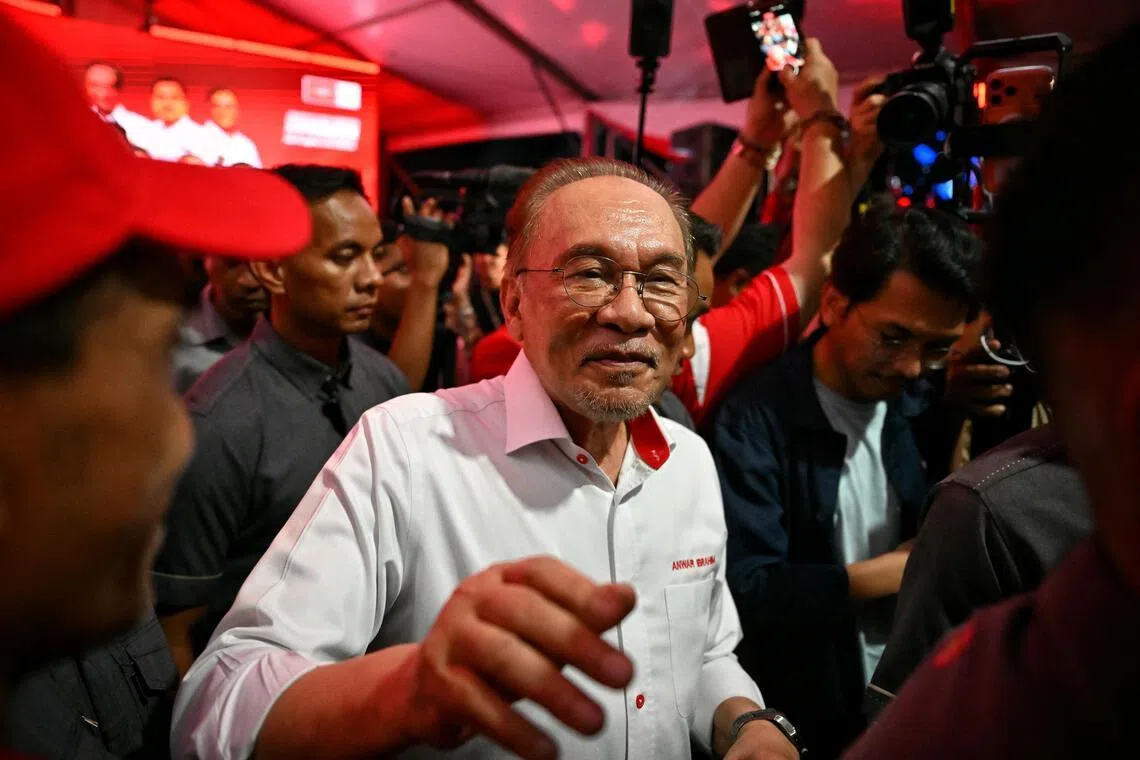
- The state poll is being framed as a verdict on Anwar's economic management, since revenue-sharing is a zero-sum conflict that strikes at the architecture of Malaysian federalism itself, not just the annual budget.
Why it matters: Putrajaya's RM14 billion-versus-RM48 billion dispute with Johor is no longer a budget argument but a constitutional one: if Anwar concedes, Penang, Selangor, and the Malay-belt states are lined up to follow, eroding the federal revenue base; if he resists, he faces a UMNO-empowered Johor government and a restive palace. The peninsular fault line that has defined Malaysian federalism for 60 years is shifting northward, with Johor — not Sarawak or Sabah — as the new pressure point.
Ask SkimNews