UK Scientists Grow Mini Human Organs to Replace Animal Drug Tests

Get the Health newsletter
Daily health & science — research, biotech, public health, the studies worth knowing. Free.
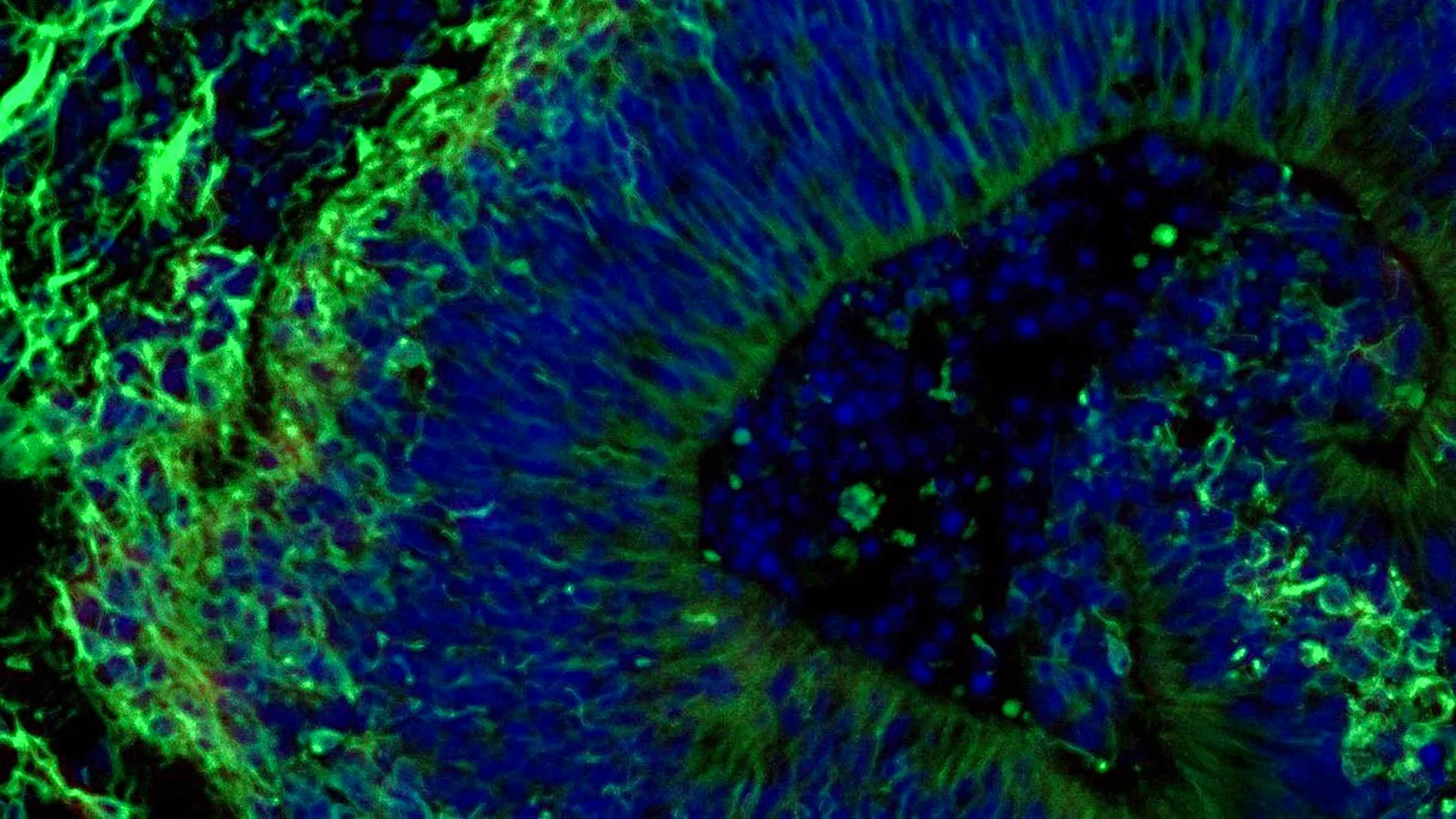
- Scientists at Cambridge Stem Cell Institute will grow organoids — organ tissue clumps smaller than a millimetre that mirror key features of full-scale organs — from NHS patients' cells to test how diseases and drugs behave in different people
- The Medical Research Council is funding the new Cambridge research hub with £20m, where researchers will build a library of standardised organoids made available to academics and pharmaceutical companies
- Matthias Zilbauer's team is starting with organoids for inflammatory bowel diseases like ulcerative colitis and Crohn's, while other groups will grow tumour organoids for cancer and brain organoids for neurological conditions
- More than 90% of drugs that pass animal testing go on to fail in human trials, according to the source, a track record that has prompted US and European regulators to encourage alternative approaches
- VivoSphere is among nine projects awarded £2m by Innovate UK to cut animal use; the company grows heart cells in tiny gel spheres for cardiac safety tests that traditionally use 50 to 100 guinea pigs, rabbits or dogs per study
- Britain recorded 2.54m animal testing procedures last year, down 3.8% on 2024, with more than 90% using mice, rats, fish and birds and 1% using specially protected species such as cats, dogs, horses and monkeys
- Keir Starmer's government has drawn up a strategy relying on 'new approach methodologies' — organoids, organ-on-a-chip systems and AI — to fast-track the reduction of animals in research
Why it matters: With over 90% of animal-tested drugs failing in human trials, regulators are actively endorsing alternatives; this £22m combined UK investment — including £20m for the Cambridge hub and £2m for Innovate UK projects — gives pharma and academics standardized, human-derived organoids to screen candidates earlier, potentially cutting the 2.54m annual animal procedures and accelerating personalized treatment selection.
Ask SkimNews