Wildberries Classifies Ukraine Drone Strikes As Force Majeure
Get the Geopolitics newsletter
Daily geopolitics — wars, elections, sanctions, the diplomatic moves that move markets. Free.
- Wildberries updated its seller agreement on July 7 — 11 days before Ukraine struck its first warehouse — to classify drone attacks as force majeure, releasing the marketplace from compensating sellers whose goods were delivered after that date.
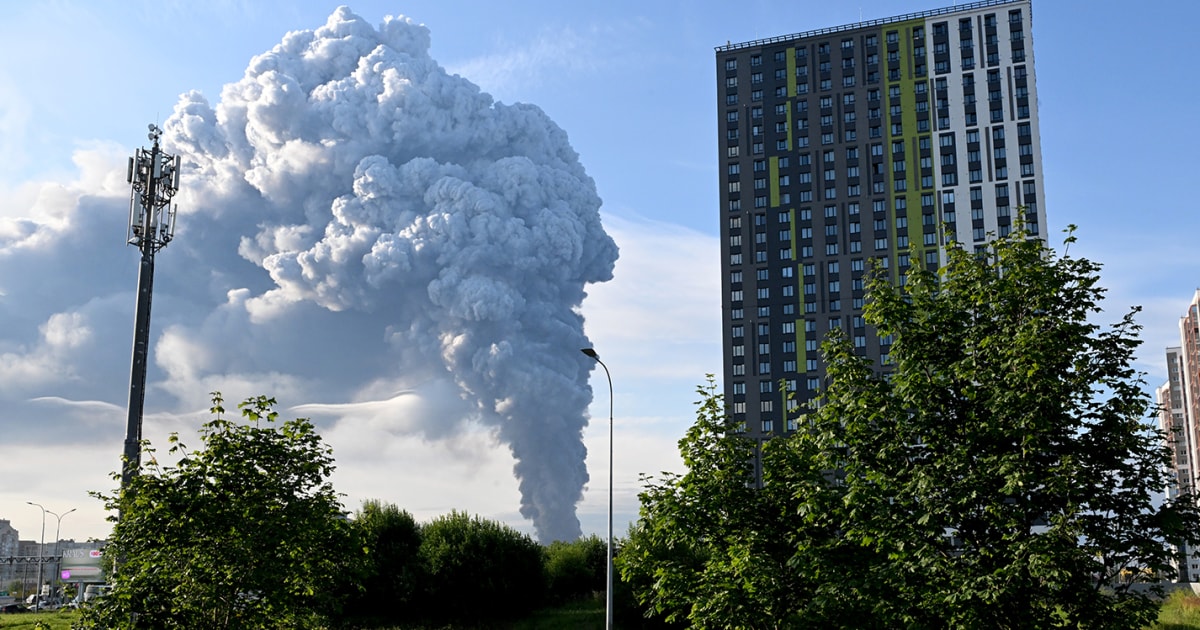
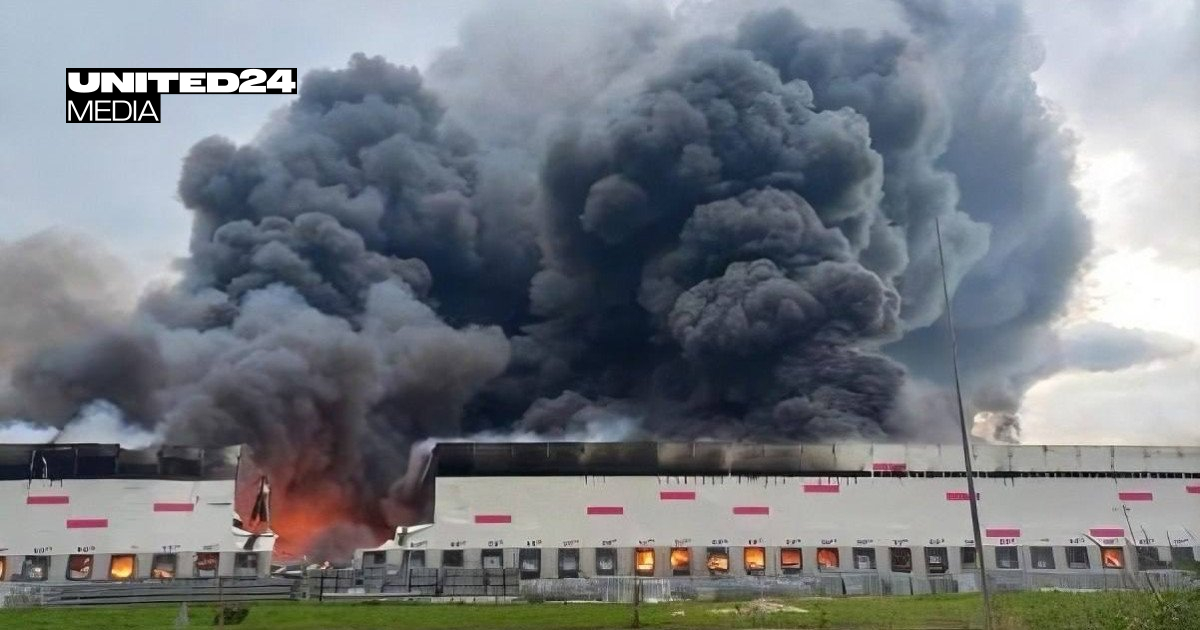
- By July 29, Ukraine's drone strikes had hit 11 Wildberries warehouses since July 18, burning much of the stock and causing sellers to lose millions of rubles, with Wildberries' subsequent payouts falling far short of the losses.
- Wildberries' own insurance, run with broker Tsunami and platform Zunami One, covers goods only from the moment a buyer orders them through pickup or return — not while goods sit in storage, and not against drone damage.
- Sberstrakhovanie offers drone-attack coverage for marketplace sellers with sums insured from 200,000 to 120 million rubles, but many other insurers have begun writing in force majeure clauses to deny drone-related claims outright.
- Sellers face a structural barrier to insuring stock in marketplace warehouses: goods are constantly moving, making the insured value hard to calculate, and sellers often don't know where their goods sit or the building's technical specs, per insurance broker Remind.
- Under Russia's Civil Code, the marketplace is normally liable for safekeeping of goods including fires, but the force majeure exception — if it holds — shields Wildberries from that obligation, according to the legal analysis cited by Meduza.
Why it matters: Sellers on Russia's largest marketplace who delivered goods after July 7 face a near-total coverage gap: Wildberries' updated contract treats drone strikes as force majeure, its insurance excludes in-storage goods entirely, and external insurers are following suit with the same exclusions. The result is that drone-attack risk has been pushed from platform to seller just as Ukraine's campaign makes that risk more than theoretical, with 11 warehouses already hit and the strike tempo showing no sign of slowing.