China moves to expand role in Iran war diplomacy; U.S. seems sceptical
Why it matters: The U.S. is unlikely to endorse China's mediation efforts, potentially impacting the planned Trump-Xi summit in mid-May.
- China is actively expanding its diplomatic role in the Iran war, proposing a five-point plan with Pakistan and opposing a UN proposal for force in the Strait of Hormuz, which Stimson Center's Sun Yun sees as an opportunity for China to demonstrate leadership.
- Former U.S. diplomat Danny Russel describes China's diplomacy as "performative messaging," comparing its Iran war proposal to its unacted-upon 2023 Ukraine plan, suggesting Beijing aims to portray itself as a principled peace champion against a "reckless" Washington.
- The Trump administration appears to have little enthusiasm for China's mediation, with U.S. officials expressing disinterest in boosting China's international stature or allowing it to claim success in West Asia, though their "agnostic" stance could shift before the Xi-Trump summit.
- China has an incentive to see the war subside before President Trump's mid-May trip to China, as the war's demands already caused a postponement of the initial March visit, according to Sun Yun.
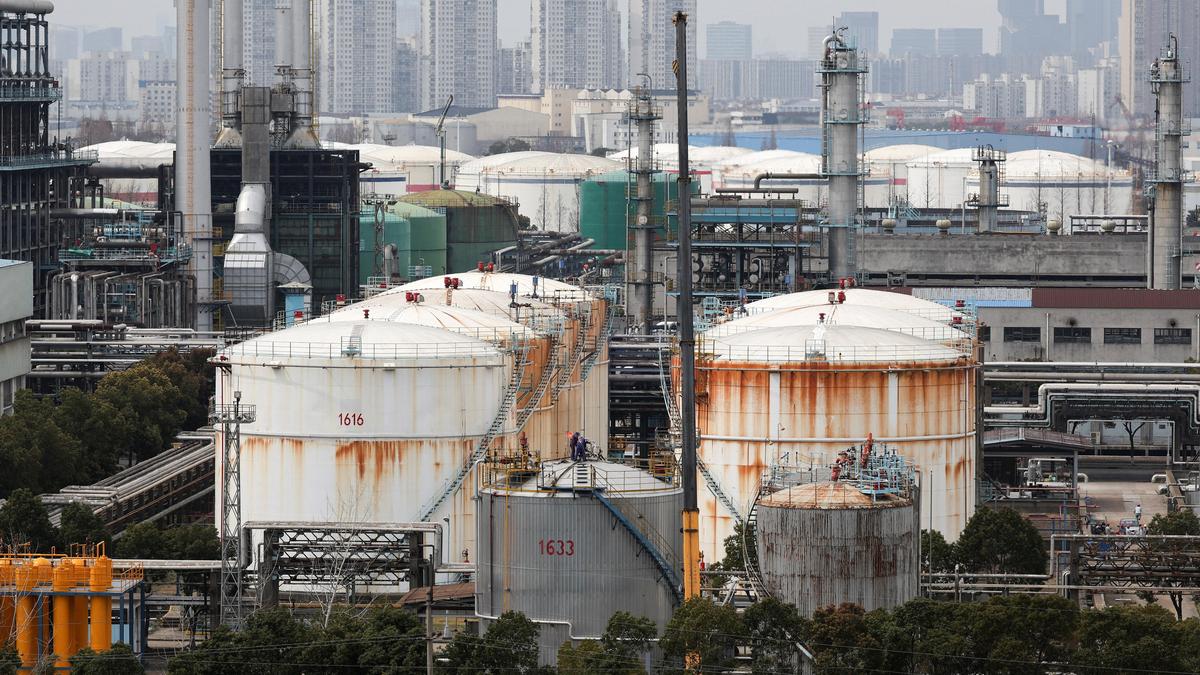
- China is relatively insulated from Strait of Hormuz disruptions due to diversified energy sources and reduced fossil fuel dependence, relying on Iran for only about 13% of its oil imports.
China is intensifying its diplomatic efforts in the Iran-Israel war, proposing a five-point plan with Pakistan and rallying Gulf support, aiming to assert a greater global leadership role. However, the U.S. views these actions with skepticism, describing them as "performative" and driven more by messaging than genuine mediation, particularly given past unfulfilled Chinese peace plans.