Amid turmoil, Trump to give Saudi Arabia sweet nuclear deal
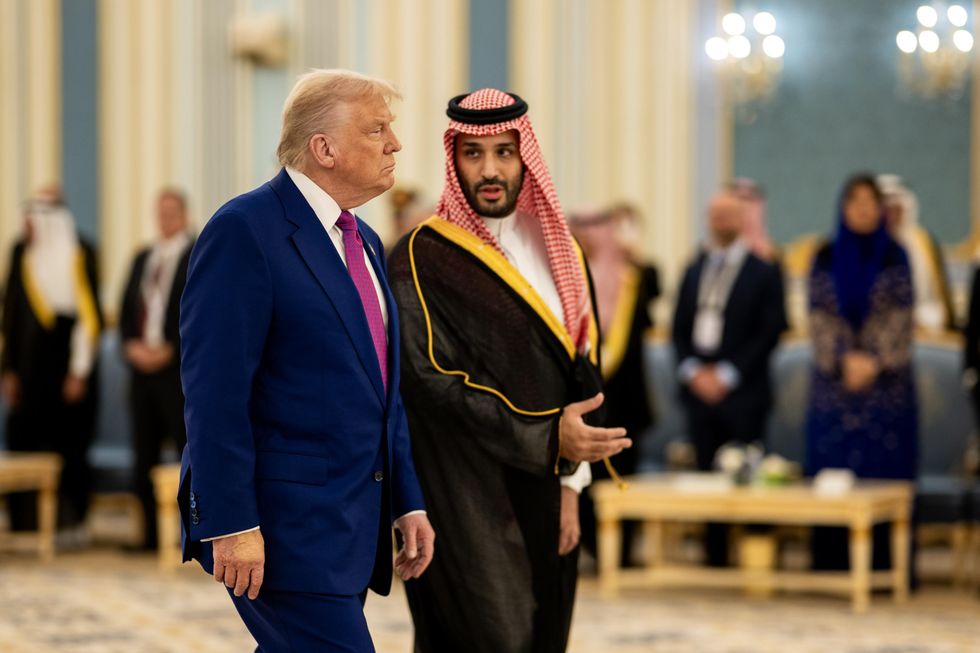
Why it matters: This deal risks fueling a nuclear arms race in the Middle East, undermining global non-proliferation efforts.
- President Trump is pursuing a civil nuclear agreement with Saudi Arabia, despite ongoing U.S.-Israel military action against Iran, partly over nuclear concerns.
- The proposed deal notably omits key non-proliferation safeguards like the 'Gold Standard' (prohibiting uranium enrichment/reprocessing) and the Additional Protocol (granting broad IAEA oversight), which are standard in other U.S. nuclear agreements.
- Arms control groups, Democrats, and some leading Republicans (including former Senator Marco Rubio) have consistently advocated for stringent guardrails in nuclear deals to prevent weaponization.
- The Trump administration initially assured Congress that the proposed bilateral safeguards would be sufficient, a claim questioned by experts like Andrew Leber and Kelsey Davenport, who warn of increased misuse risk.
- The agreement focuses on placing U.S. technology at the center of the Saudi nuclear program, raising questions about trust and oversight given the sensitive nature of the technology.
Amid escalating tensions with Iran, the Trump administration is poised to offer Saudi Arabia a controversial civil nuclear deal that lacks critical non-proliferation safeguards, sparking bipartisan alarm in Congress and among arms control experts. This '123 agreement' deviates from standard U.S. nuclear pacts by omitting the 'Gold Standard' and the Additional Protocol, which are designed to prevent the development of nuclear weapons.


