How India's Own Delays Ceded Bangladesh Projects to China

Get the Geopolitics newsletter
Daily geopolitics — wars, elections, sanctions, the diplomatic moves that move markets. Free.
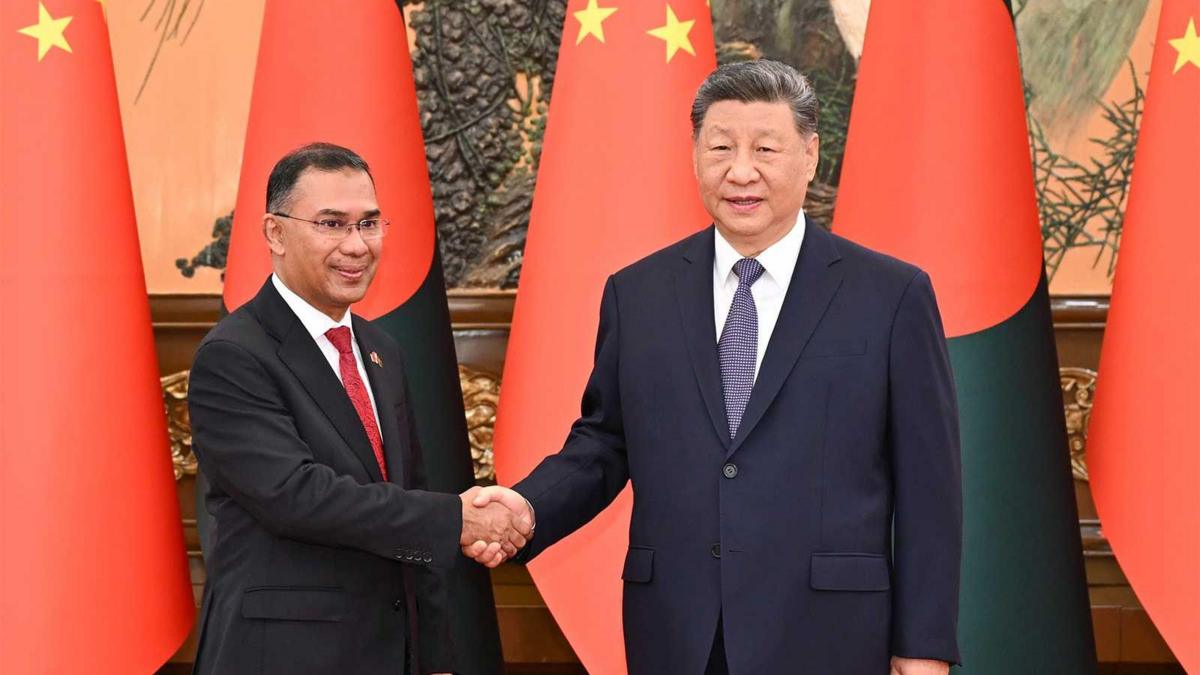
- Tarique Rahman's June 22-26 China visit produced 17 bilateral instruments, including plans for a Bangladesh-China-Myanmar Economic Corridor and a 2+2 dialogue mechanism covering diplomacy and defense, elevating ties to a "China-Bangladesh community with a shared future."
- Mongla Port SEZ project: China's state-owned Civil Engineering Construction Corporation will invest $650 million in a 110-acre special economic zone adjacent to Bangladesh's second-busiest seaport, located just 80 km from the Indian border and 188 km from Kolkata, with Indian intelligence warning it could host maritime surveillance systems monitoring naval deployments around Kolkata and Haldia.
- Teesta River Comprehensive Management and Restoration Project (TRCMRP) involves dredging and reclaimed-land work in Bangladesh's Rangpur division, which borders the narrow Siliguri Corridor — India's sole land link to its restive Northeast.
- India's lost Mongla opportunity: Bangladesh first offered the SEZ to India under a 2015 agreement, appointed Hiranandani Group subsidiary Evita Constructions, but the project never commenced work and was delisted in October 2025 under the Yunus interim administration amid deteriorating ties.
- India's Teesta failure: A water-sharing deal was finalized by 2011 but blocked by West Bengal government objections; New Delhi offered $1 billion to dredge and manage the Teesta inside Bangladesh in May 2024 — three months before Hasina's August 2024 ouster cleared the way for the interim government to turn to Beijing.
- Hambantota precedent: Sri Lanka first offered India the Hambantota port, which Delhi declined citing insufficient traffic potential; China took over operations under a 99-year lease in 2017 after Sri Lanka defaulted on loans, illustrating a recurring pattern of Indian hesitation ceding strategic geography to Beijing.
- BJP-era rhetoric: Home Minister Amit Shah likened Bangladeshi immigrants to "termites," and Delhi's ongoing "push back" of alleged undocumented migrants has fueled anti-India sentiment in Bangladesh to unprecedented levels since the party took power nationally in 2014.
Why it matters: Two projects India was offered first and failed to execute — the Mongla SEZ and Teesta management — now place Chinese infrastructure 80 km from India's border and adjacent to the Siliguri Corridor, the only land bridge to its Northeast. With Hambantota as precedent, the pattern shows India consistently prioritizing short-term commercial viability over long-term strategic geography, and Beijing is systematically absorbing the projects Delhi walks away from — directly undermining India's Act East policy and maritime ambitions in the Bay of Bengal.
Ask SkimNews