FERC: Renewables made up 88% of new US power generating capacity in 2025
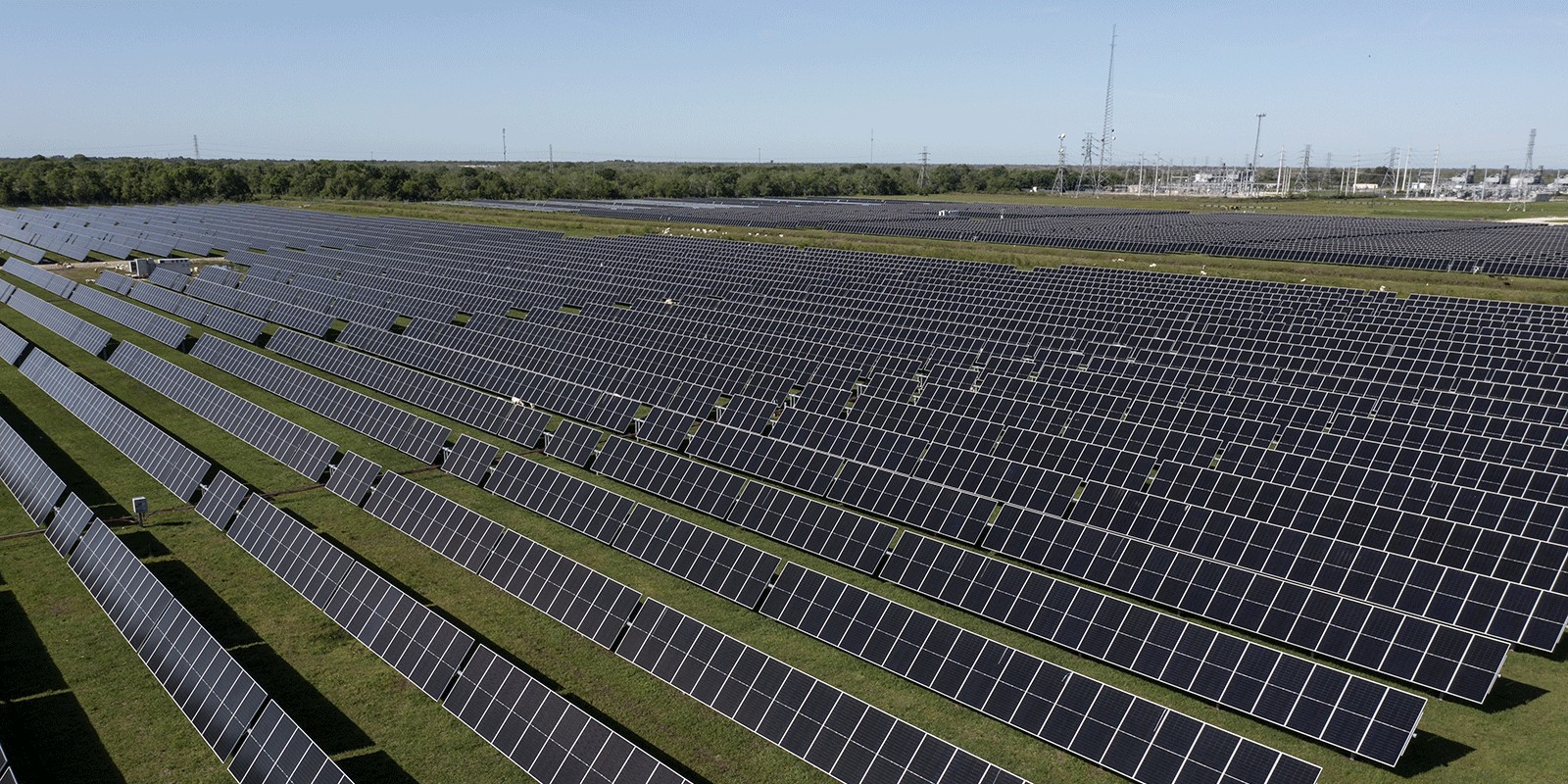
Why it matters: Solar and wind now comprise 24.1% of total U.S. utility-scale generating capacity, fundamentally shifting the national energy mix.
- Solar made up 72.6% of new U.S. electrical generating capacity in 2025, adding 26,556 MW, and has been the leading source of new capacity for 28 consecutive months.
- Wind contributed 15.7% of new capacity in 2025, adding 5,763 MW, which was a 26% increase from 2024 and more than the capacity added by natural gas.
- Renewables (solar, wind, hydropower, biomass) collectively accounted for 88.4% of all new generating capacity in 2025, with natural gas adding only 11.4%.
- Utility-scale solar capacity now stands at 164.5 GW, exceeding wind (161.1 GW), nuclear (104.39 GW), and hydropower (102.09 GW).
- FERC expects solar to add another 86 GW over the next three years, projecting it will surpass coal capacity during that period.
Renewable energy sources, primarily solar and wind, dominated new U.S. power generating capacity in 2025, accounting for 88% of additions. Solar alone contributed over 72% of new capacity, surpassing wind, hydropower, and nuclear in total installed utility-scale capacity, and is projected to exceed coal within three years.