Scotland to See 95% Partial Solar Eclipse Wednesday
Get the Health newsletter
Daily health & science — research, biotech, public health, the studies worth knowing. Free.
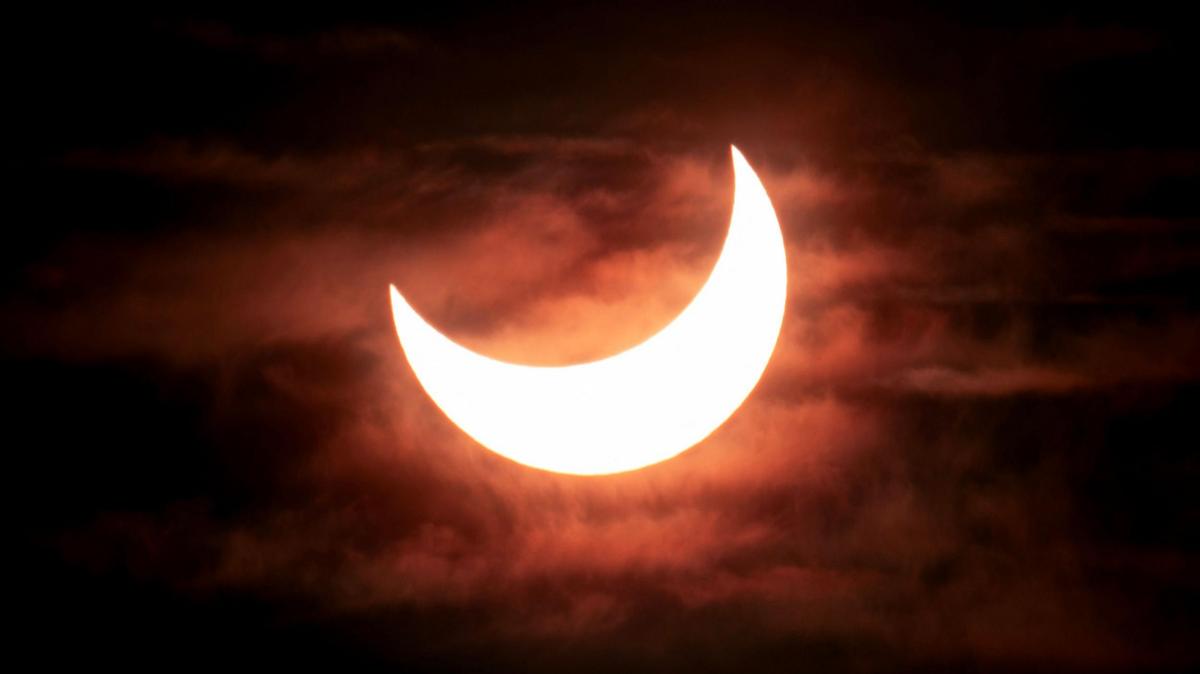
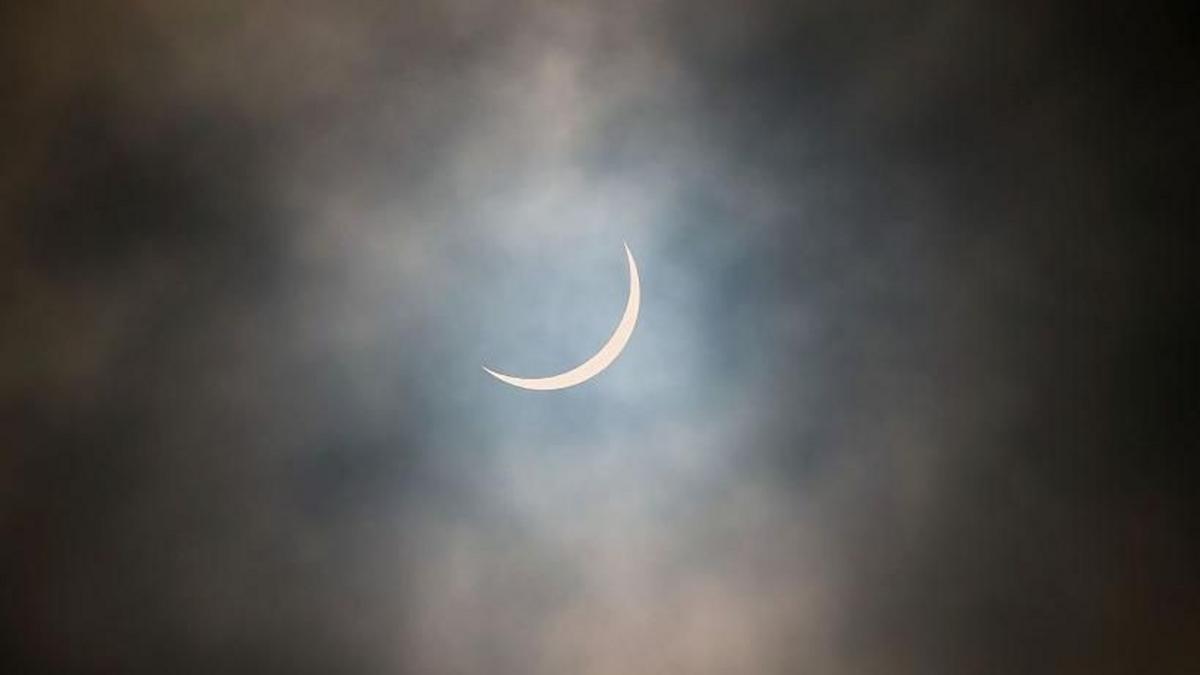
- Scotland will see up to 95% of the Sun obscured by the Moon on Wednesday in the most dramatic UK partial solar eclipse since August 1999, with the Moon beginning its crossing between 18:01 and 18:10 BST and the event ending just before 20:00.
- Prof Catherine Heymans, Astronomer Royal for Scotland, said Scotland has a viewing advantage over England because the Sun sets later, keeping it higher in the sky during the eclipse.
- BBC Weather presenter Joy Dunlop said southern Scotland will have the most optimal conditions (dry, largely clear skies), while the north west Highlands, Western and Northern Isles will remain cloudy with rain and very limited visibility.
- Whitelee Windfarm Visitor Centre in East Renfrewshire, hosting one of the biggest eclipse events, warned the weather is "not looking great" and is offering refunds to those who no longer want to attend.
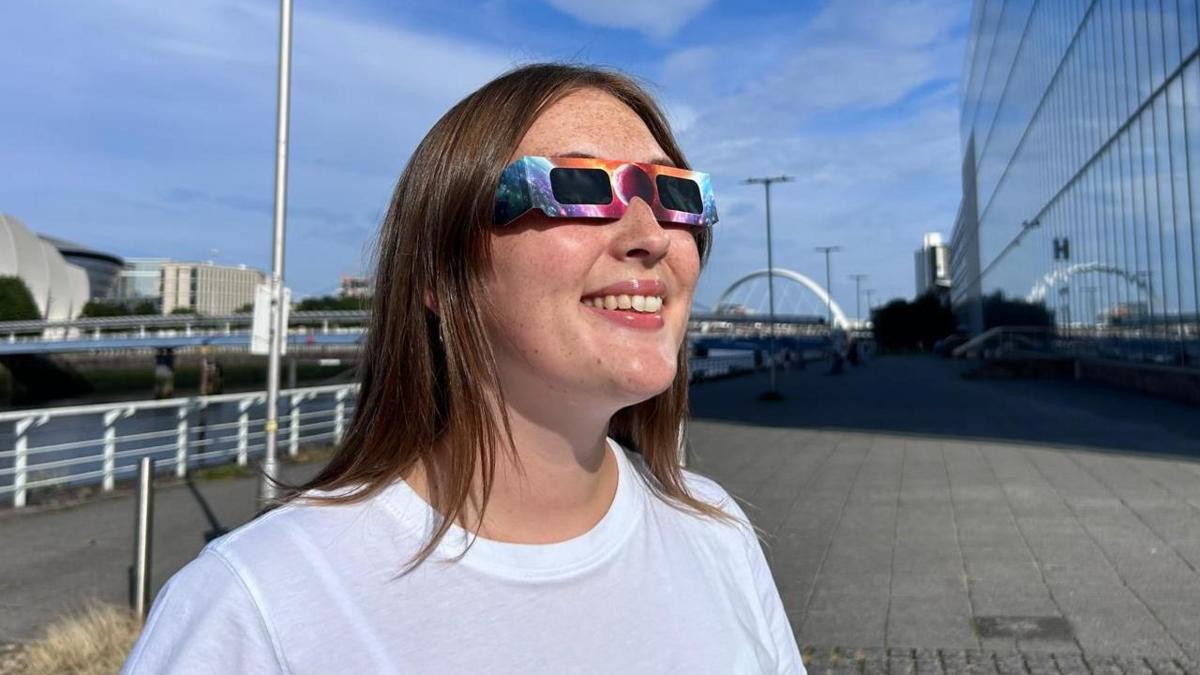
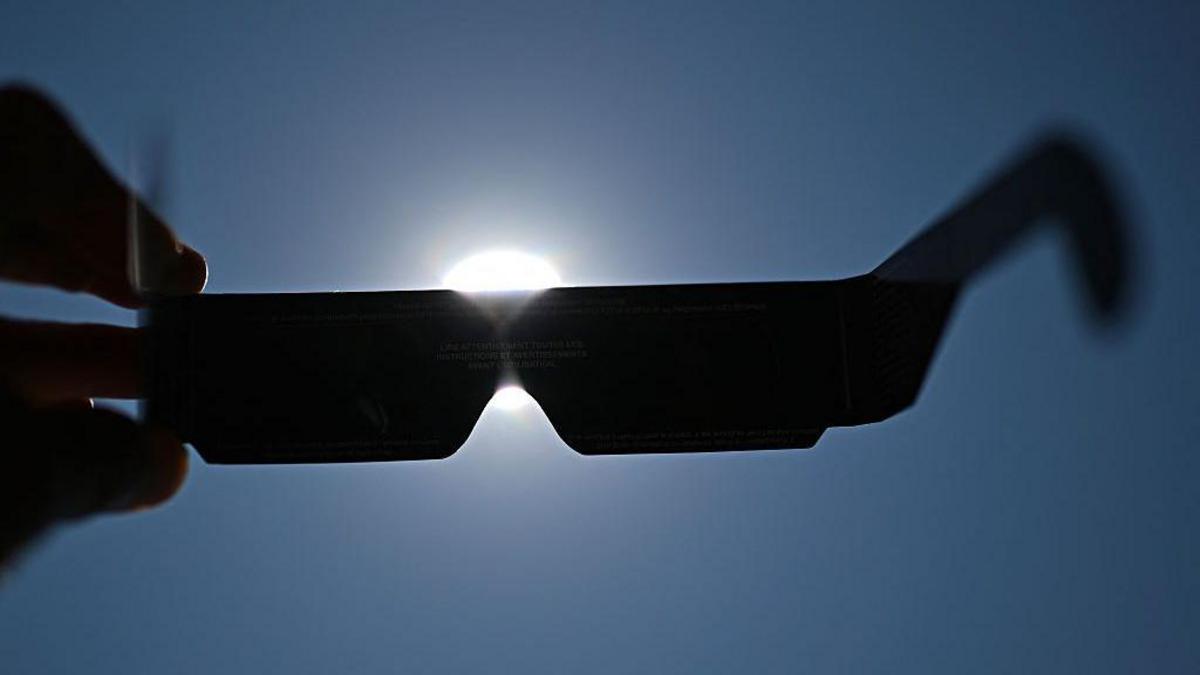
- The Royal College of Ophthalmologists documented approximately 70 cases of vision problems after the 1999 eclipse, with about 40% of those people having looked at the Sun for less than a minute; safety guidance urges ISO 12312-2 certified eclipse glasses, warning regular sunglasses do not provide adequate protection.
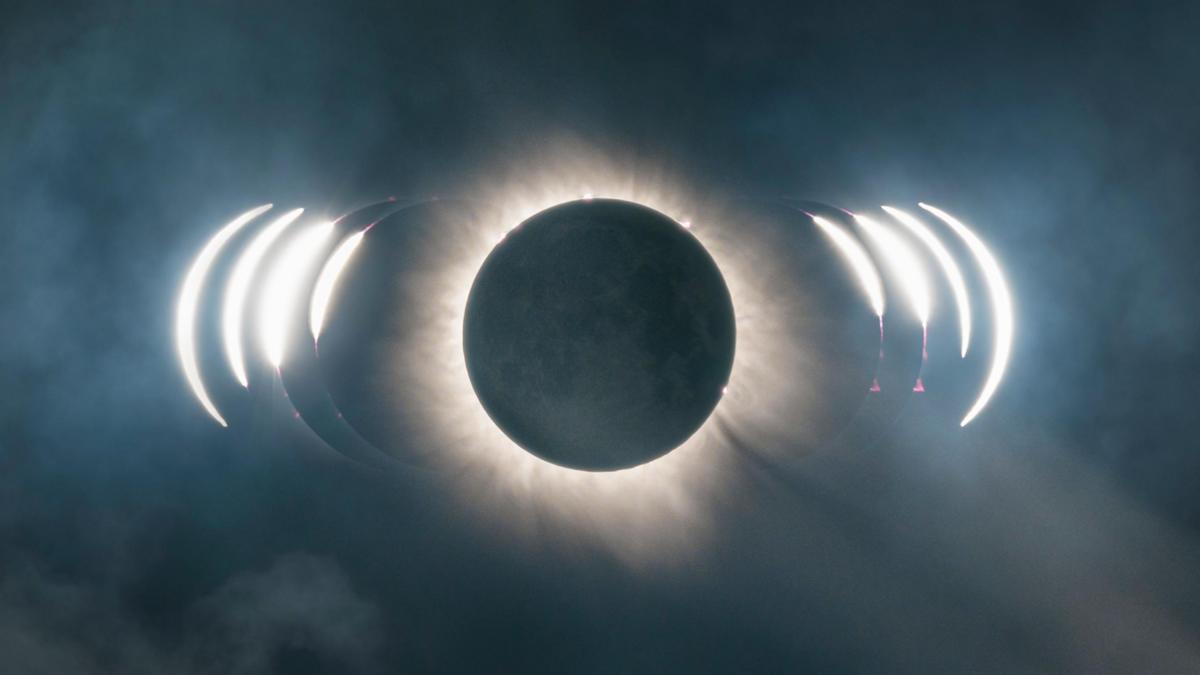
- The next total solar eclipse visible from the UK is not expected until 23 September 2090, while parts of Spain and Portugal will witness a total eclipse on Wednesday.
Why it matters: Scotland's up to 95% Sun coverage makes it the UK's prime viewing spot, but cloud cover threatens parts of the Highlands and Western Isles — and with the next total UK eclipse not until 2090, the 70 documented eye injuries from 1999 underscore why proper ISO-certified glasses matter for the roughly two-hour event.
Ask SkimNews