UK Waters Hit by Extreme Marine Heatwave, Up 5°C — SkimNews
Get the Energy newsletter
Daily energy & climate — solar, EVs, oil, the policy fights and tech bets shaping the transition. Free.
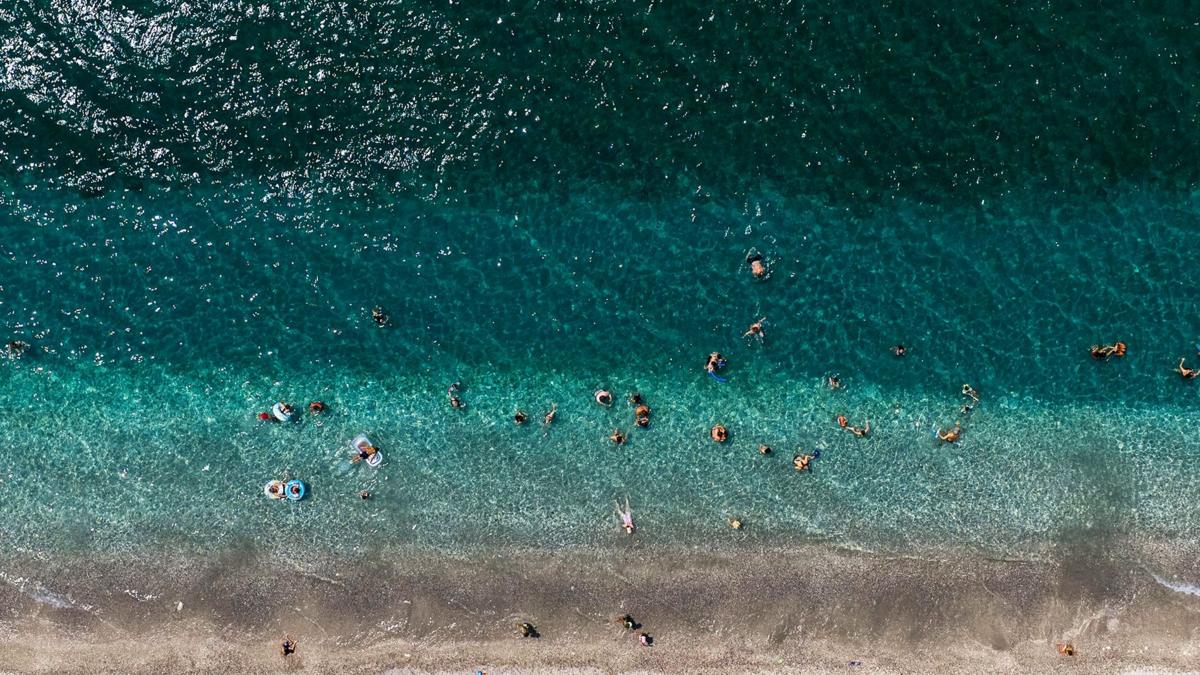
- Met Office confirmed UK waters are facing an "extreme" marine heatwave — the third and most intense of 2025 — with sea temperatures on average 2°C above normal and reaching "severe" thresholds 4-5°C above usual in some areas, per air-sea interaction specialist Dr Ségolène Berthou, who said "there's no sign of an end to it."
- Berthou blamed the rapid buildup on last month's European heat dome and this week's third UK land heatwave, with temperatures on track to top 30°C for up to 10 consecutive days: "The ocean didn't have enough time to cool down between the two land heatwaves."
- Copernicus Climate Change Service and Copernicus Marine Service confirmed global sea surface temperatures have surpassed prior records for this time of year (set in 2023 and 2024), a shift scientists had anticipated given forecasts of the strongest El Niño in decades.
- UN Secretary-General António Guterres called El Niño's arrival "the urgent climate warning it is," demanding an end to fossil fuel "addiction," faster renewable energy deployment, and early warning systems for all.
- Prof John Pinnegar of the Centre for Environment, Fisheries and Aquaculture Science warned the conditions could trigger "mass-mortality events" for some species and redistribute commercially important fish and shellfish stocks.
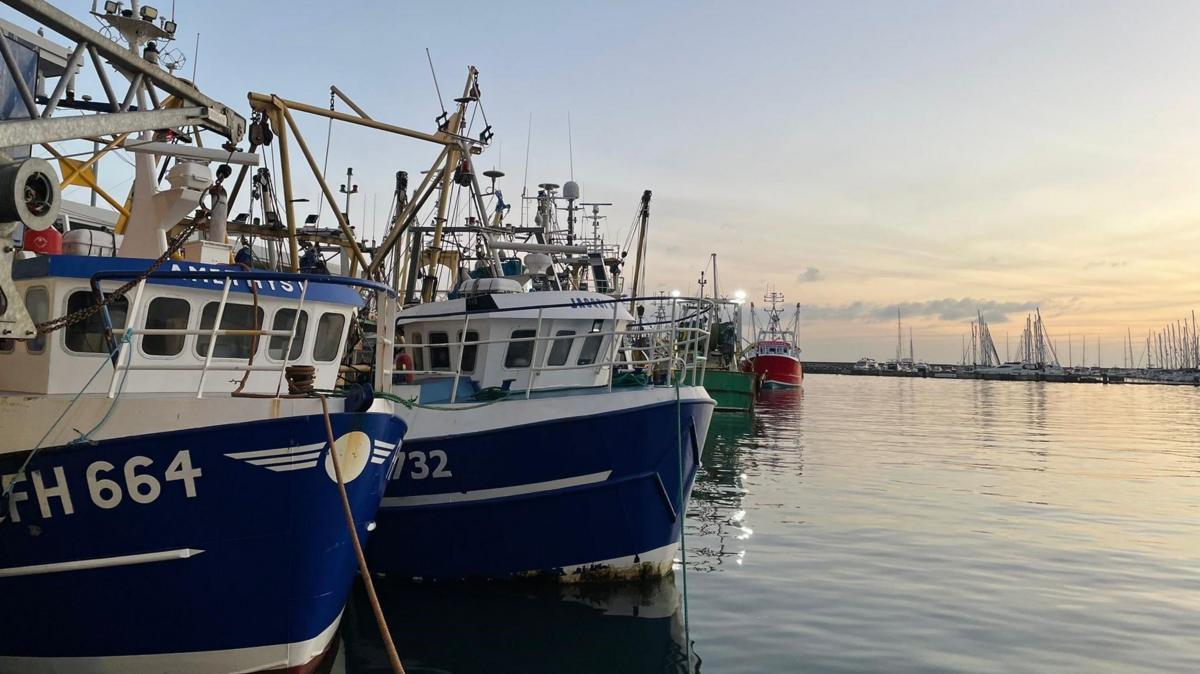
- Pinnegar separately noted warming is already remixing UK ecosystems — record octopus catches off south-west England last year culminated in a record 100 tonnes sold in one day at Brixham market last month, reshaping local fisheries.
Why it matters: UK fisheries and marine ecosystems face immediate, measurable risk: scientists warned the heatwave could trigger 'mass-mortality events' and shift the distribution of commercially important fish and shellfish. The event lands as global sea surface temperatures break records and the strongest El Niño in decades develops, layering compounding stress on marine biodiversity and the industries that depend on it.
Ask SkimNews