Iran FM Araghchi Cites Trust Gap, Wants Chinese Help — SkimNews
SkimNews Take
Framing "mistrust" — rather than specific contested issues — as the chief barrier lets both sides keep diplomacy active without conceding ground, and choosing a BRICS venue over a bilateral channel reinforces non-Western mediation's growing structural role.
Get the Geopolitics newsletter
Daily geopolitics — wars, elections, sanctions, the diplomatic moves that move markets. Free.
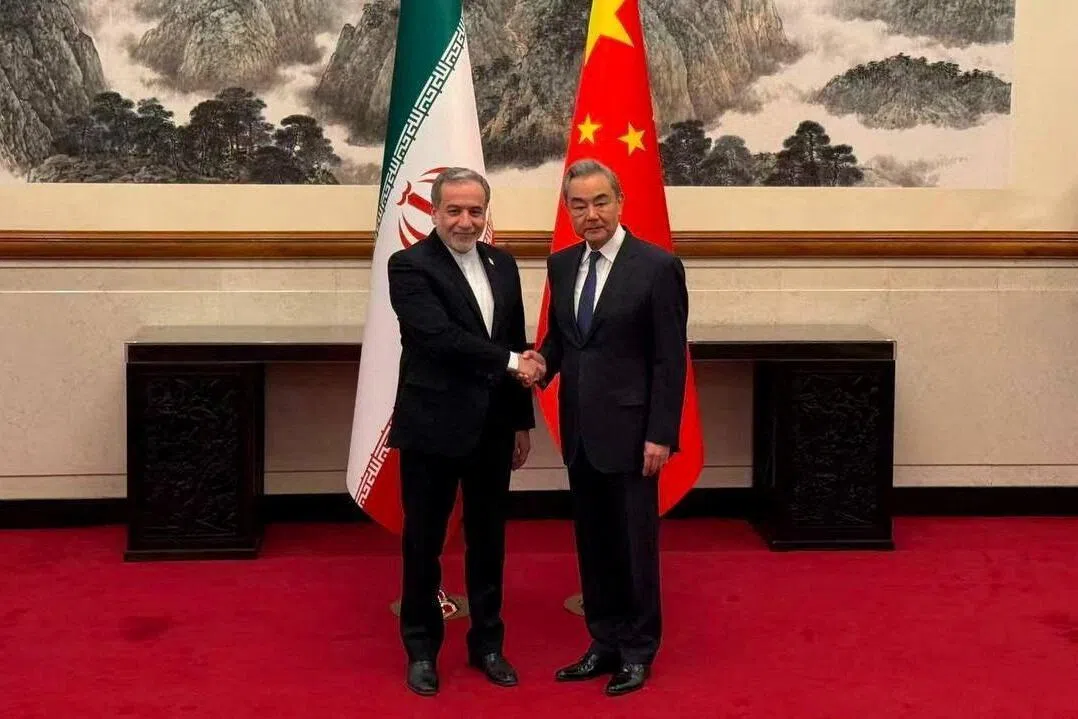
- Abbas Araghchi said a lack of trust caused by contradictory U.S. messages is the biggest obstacle to ending the war, expressing doubt about American seriousness.
- Araghchi said Iran would welcome diplomatic help, especially from China, citing Beijing's past role in restoring Iran‑Saudi ties.
- Araghchi identified Iran’s enriched uranium stockpile as a “most difficult” negotiation point, noting Russia has offered to take the stockpile but the proposal is not currently under active discussion.
- Araghchi warned that talks would only move forward if Washington is ready for a “fair and balanced deal,” and he said Tehran would be open to diplomatic assistance to ease tensions.
- Araghchi noted that President Donald Trump dismissed Iran’s latest formal proposal as “garbage” and demanded removal of highly enriched uranium.
- Araghchi mentioned that Pakistan is continuing diplomatic efforts to help ease regional tensions, though Pakistan declined to disclose details.
Why it matters: Iran's request for Chinese diplomatic help gives Beijing leverage in the Iran‑US nuclear talks, while the United States must confront Tehran's deep mistrust and its own hardline demands for uranium removal, reshaping regional power dynamics and affecting the flow of oil through the Strait of Hormuz.
Ask SkimNews