WHITE HOUSE ORDER OPENS US NAVY SHIPBUILDING TO FOREIGN YARDS
Get the Geopolitics newsletter
Daily geopolitics — wars, elections, sanctions, the diplomatic moves that move markets. Free.
- The White House issued a Presidential Memorandum titled "Rebuilding the United States Navy and America's Shipbuilding Industrial Base," opening Navy procurement to allied international shipbuilders to bypass domestic capacity bottlenecks.
- The order expands the "Finland Model," letting foreign yards build the first two vessels in a class overseas while requiring foreign contractors to acquire majority stakes or establish new U.S. shipbuilders, transfer proprietary technology, and shift all follow-on construction to American soil.
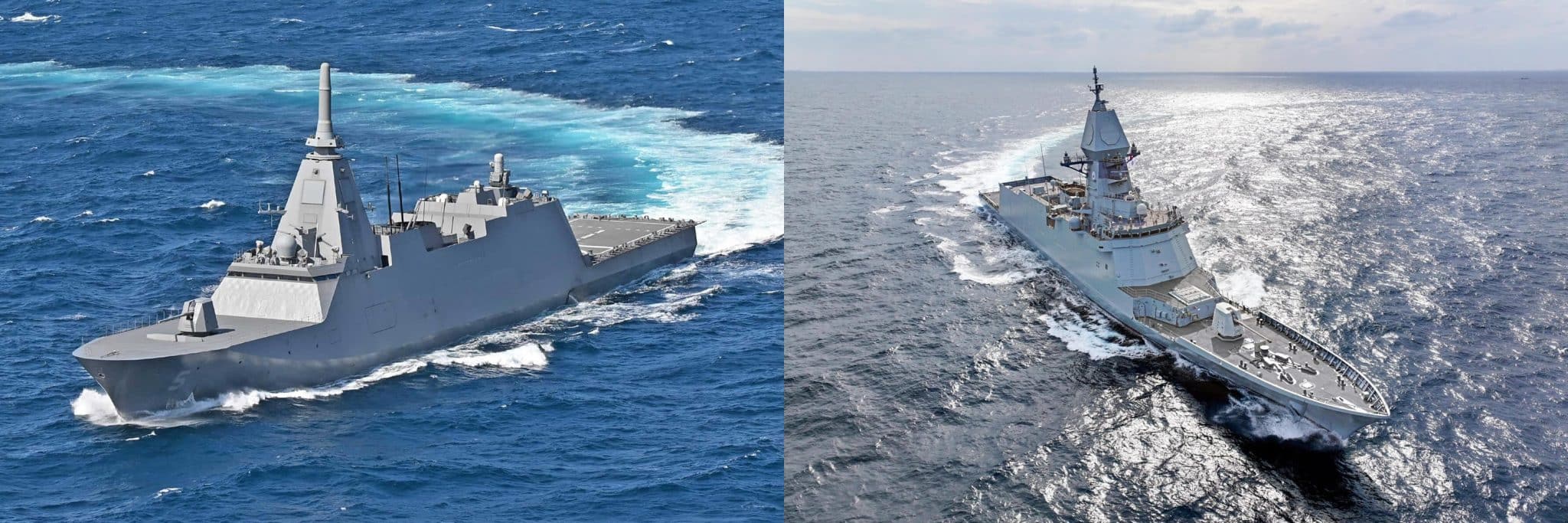
- The Secretary of War, in consultation with the Secretary of the Navy, has 90 days to deliver a competitive acquisition plan for light surface combatants optimized for anti-submarine warfare, anti-surface warfare, and convoy escort duties.
- The memorandum prohibits naval authorities from imposing iterative custom design alterations on chosen platforms without explicit executive oversight — a habit the order blames for past procurement delays.
- The framework also extends to strategic auxiliary platforms, including CONSOL (Consolidated Cargo Replenishment at Sea) tankers and Roll-On/Roll-Off (Ro-Ro) military sealift vessels.
- If implemented, this marks the first time in modern history that frontline U.S. Navy surface combatants are built in foreign shipyards, creating a 90-day bidding window for European and Asian warship designs.
Why it matters: European and Asian warship builders have a concrete 90-day window to bid on U.S. Navy contracts — but winning requires transferring proprietary technology and establishing majority-owned U.S. shipyards. Domestic yards lose their protected monopoly but gain foreign capital and designs, while convoy-escort light combatants become the first test case for the most significant U.S. naval procurement opening in modern history.
Ask SkimNews