Iran: Israel Will Restart War Before October Elections
Get the Geopolitics newsletter
Daily geopolitics — wars, elections, sanctions, the diplomatic moves that move markets. Free.
- Iran's internal national security debate has reached consensus over the past week that Israel will deliberately restart the war before its October elections, fueled by suspicion of Trump's intentions and Vice President JD Vance's recent remark about wanting to use the MOU to replenish oil reserves and then 'see where the hand is'
- The Israeli-Lebanese agreement permits Israeli forces to remain in parts of southern Lebanon — positions Tehran says Israel lacked in February, which would make renewed offensive operations far more feasible by easing northern-front pressure
- The agreement does not require Israeli withdrawal until Hezbollah is disarmed, an outcome Tehran considers highly unlikely in the foreseeable future, meaning Israel is poised to retain these positions indefinitely
- During February-March fighting, Iran used only about 40% of its offensive capabilities against Israel, with Hezbollah carrying much of the remaining burden — a role obscured by near-total Israeli military censorship, far stricter than the June 2025 regime, and significantly underestimated in Western coverage
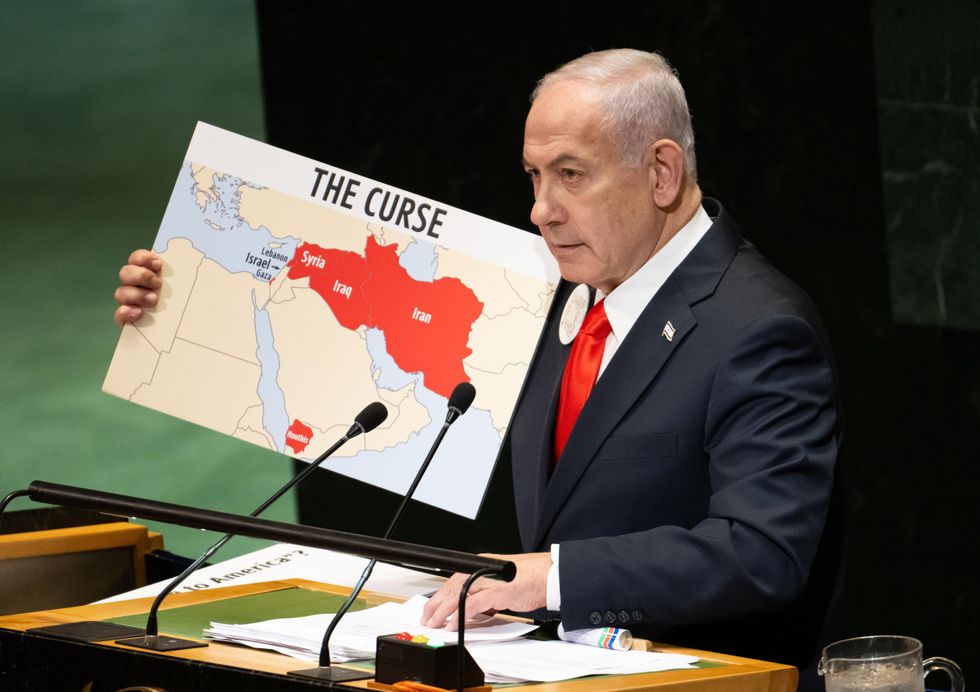
- Netanyahu faces a weakened reelection outlook and would lose immunity from prosecution over corruption charges if he loses the premiership, giving him personal and political motivation to restart the conflict regardless of strategic cost
- Tehran identifies three plausible US scenarios: the White House helped broker the Lebanese deal to facilitate Israel's plan; Washington is unaware but would still come to Israel's defense; or the administration is caught by surprise and refrains from direct involvement — with suspicions of Secretary of State Marco Rubio running particularly deep given his role brokering the deal
Why it matters: The piece reframes the upcoming flashpoint as Netanyahu's choice rather than Iran's, noting that even a war Israel loses militarily could achieve his most immediate aim: killing the MOU, since renewed conflict would force the US back into fighting on Israel's terms — a test of restraint the author says Trump has repeatedly failed.