US-Iran Ceasefire Breaks Down After Hormuz Tanker Attacks — SkimNews

Get the Geopolitics newsletter
Daily geopolitics — wars, elections, sanctions, the diplomatic moves that move markets. Free.
- The interim US-Iran ceasefire collapsed this week when Iran struck US military sites in Bahrain and Kuwait after US forces hit Iranian targets in retaliation for attacks on LNG tankers in the Strait of Hormuz.
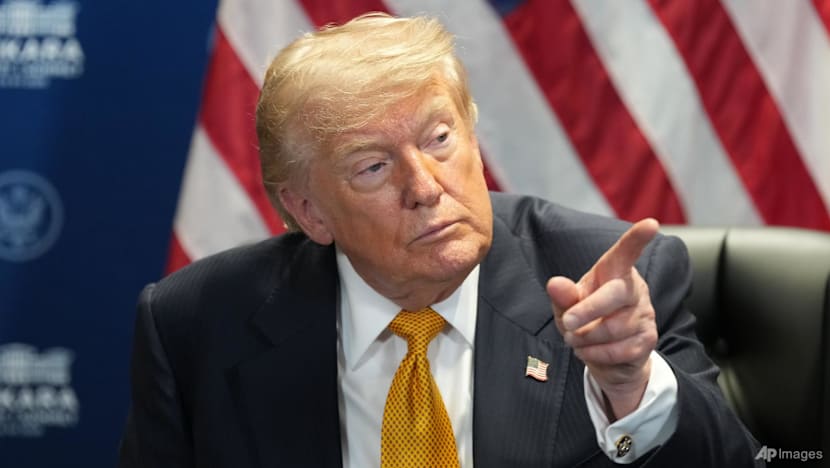
- Trump declared the framework agreement "over" at the NATO summit in Ankara while suggesting talks may continue, prompting oil prices to climb as markets repriced Hormuz disruption risk.
- The 14-point Islamabad Memorandum of Understanding — offering a 60-day ceasefire, Hormuz reopening, a sanctions relief pathway, and a $300 billion reconstruction package — deferred the hardest nuclear questions to a later deal.
- Iran is exercising de facto control over the Strait of Hormuz, with Iranian forces ordering commercial vessels to turn back and requiring permits under various labels (maritime safety fees, demining charges, routing clearances), making passage conditional rather than free.
- The IRGC enters negotiations stronger than before the war, able to claim it survived US and Israeli strikes, forced Washington into talks, and retained Hormuz as a coercive lever, while pre-war domestic economic pressure eases under a national security emergency.
- Trump's claim of being "shocked" by Iran's Hormuz retaliation contradicts pre-operation warnings, given that roughly one-fifth of global oil transits the strait — a basic feature of Middle East power geography.
Why it matters: The breakdown hands Iran a durable Hormuz choke-point and a sanctions-relief pathway while leaving the nuclear program unresolved — the opposite of the war's stated aims. With roughly one-fifth of global oil moving through a waterway Iran can throttle at will, the IRGC enters talks as the stronger party despite absorbing US strikes.
Ask SkimNews