ChatGPT Uncovers Rare Condition After Misdiagnosis
Why it matters: Phoebe Tesoriere's case demonstrates how AI can potentially identify rare conditions after years of medical misdiagnosis.
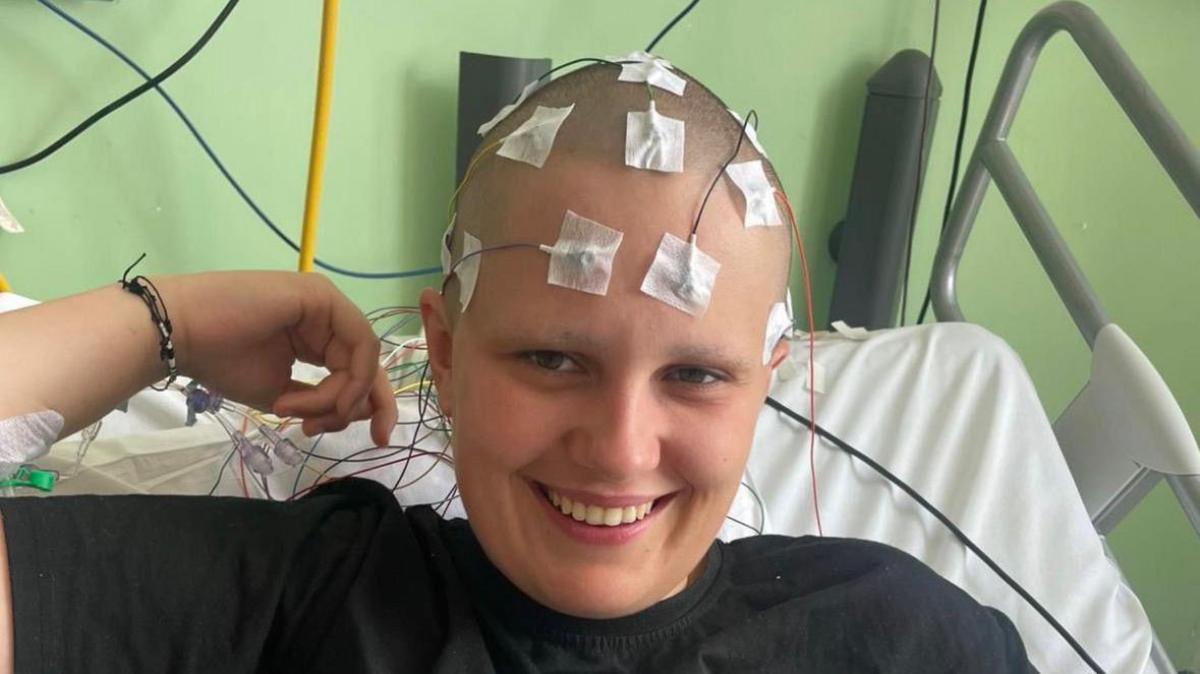
- Phoebe Tesoriere, 23, from Cardiff, endured years of misdiagnosis, being told she had anxiety, depression, and epilepsy, even after suffering severe seizures and a three-day coma.
- ChatGPT suggested hereditary spastic paraplegia after Phoebe entered her symptoms, a diagnosis later confirmed by genetic testing, providing a crucial breakthrough after doctors struggled to identify her condition.
- Cardiff and Vale University Health Board expressed regret over Phoebe's experience, while GP Dr Rebeccah Tomlinson advised that AI health tools should be used in conjunction with medical professional discussions.
- A University of Oxford study found that AI healthcare advice is a mix of good and bad, making it difficult for users to discern trustworthy information, underscoring the need for caution and professional consultation.
After years of misdiagnosis, 23-year-old Phoebe Tesoriere found a potential answer to her debilitating symptoms by inputting them into ChatGPT, which suggested hereditary spastic paraplegia. This AI-generated lead was later confirmed by genetic testing, highlighting both the potential of AI in healthcare and the challenges patients face in receiving timely diagnoses.