ChatGPT Uncovers Woman's Rare Condition
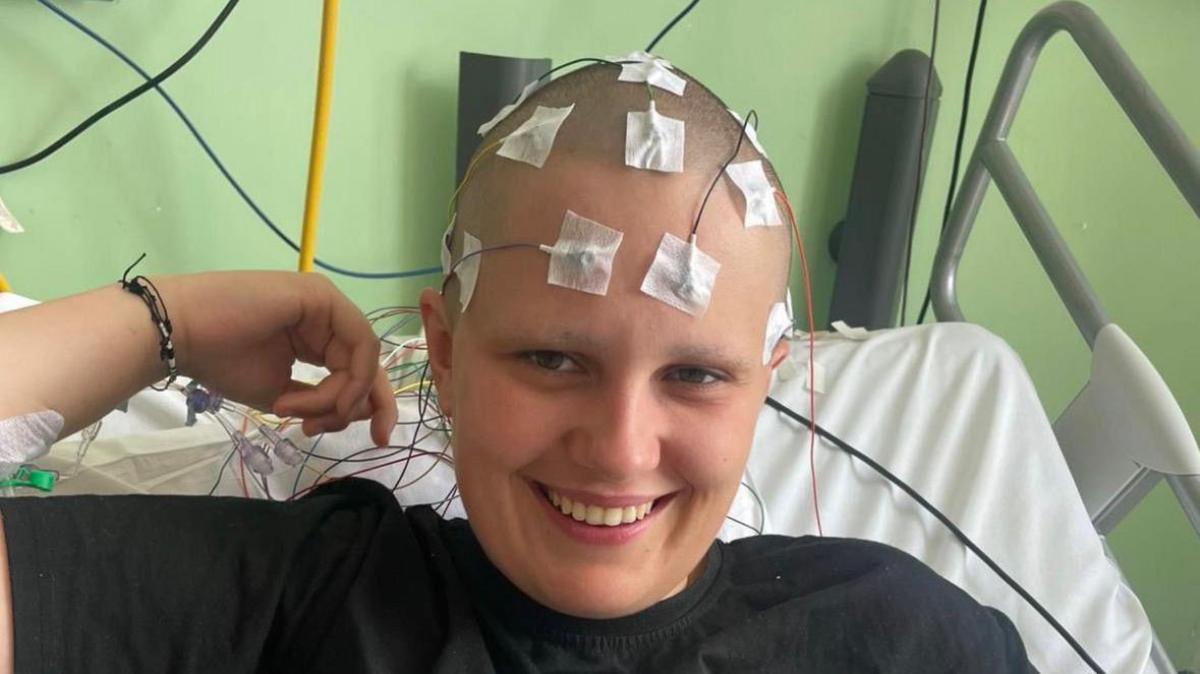
Why it matters: Phoebe's case demonstrates how AI tools like ChatGPT can aid in diagnosing rare conditions after conventional medical routes fail.
- Phoebe Tesoriere, 23, from Cardiff, used ChatGPT after being misdiagnosed with anxiety and epilepsy for years, leading to a confirmed diagnosis of hereditary spastic paraplegia.
- Cardiff and Vale University Health Board expressed regret over Phoebe's experience while under their care.
- GP Dr Rebeccah Tomlinson advises that individuals using AI chatbots for health concerns should always discuss these findings with a medical professional.
- A University of Oxford study found that AI healthcare advice offers a mix of good and bad responses, making it difficult for users to discern trustworthy information.
After years of misdiagnosis for symptoms including seizures and a limp, 23-year-old Phoebe Tesoriere found relief when ChatGPT suggested hereditary spastic paraplegia, a diagnosis later confirmed by genetic testing. Her experience highlights both the potential of AI in healthcare and the challenges patients face in getting listened to, as noted by Dr. Rebeccah Tomlinson who advises discussing AI-generated health concerns with medical professionals.